

 English
 Español

Picture a 300 kg batch of dark chocolate that has just left the ball mill. It is dark, uniform, and ground to roughly 25 microns, yet it tastes sharp, gritty, and faintly of vinegar. Most chocolate makers recognize this moment instantly. The mass is not ready for the mold. It is ready for the conche. Conching cocoa is the step that turns rough, acidic chocolate paste into the smooth, aromatic product that consumers recognize as chocolate. In practical terms, conching is controlled mixing, shearing, and aeration of chocolate mass at an elevated temperature. It removes volatile acids, lowers moisture, and coats every solid particle with cocoa butter. Without this stage, chocolate stays dusty in texture and slow to release its flavor. With it, the same batch becomes noticeably deeper in taste and far smoother on the tongue.
Content
What Conching Cocoa Actually Does
Conching was introduced in the late nineteenth century, and its name comes from the conch shell shaped troughs used in the original machines. The principle has not changed as much as the hardware. A conche uses heavy scrapers or mixing arms to knead chocolate mass against a surface, creating friction, exposing fresh surface area, and pulling air into the mixture. Modern conche technology has evolved considerably, but the fundamentals remain the same.
Three things happen at the same time. First, volatile acids and moisture evaporate. The most noticeable one is acetic acid, a by-product of fermentation in the cocoa bean; if it stays in the mass, the chocolate tastes sour. Second, the mechanical action coats non-fat particles such as cocoa solids and sugar crystals with a thin layer of cocoa butter. That fat coating is what makes chocolate feel smooth instead of powdery on the palate. Third, mild oxidation and flavor rearrangement round out raw cocoa notes and bring up the desirable roasted, nutty, or caramel-like characteristics.
Conching is not a grinding step. Particle size reduction happens earlier in a ball mill, a refiner, or both. A typical industrial target is around 20 to 30 microns, below the threshold where the tongue detects individual particles. If the mass is not fine enough before it enters the conche, a longer conching cycle will not fix the texture.
The Three Phases of Conching
Most chocolate recipes pass through three recognizable phases inside the conche, and each phase has a distinct job.
| Phase | Appearance | Main effect | Typical duration |
|---|---|---|---|
| Dry phase | Dry, crumbly powder | Moisture escape, removal of volatile acids | 2-6 hours |
| Plastic phase | Thick paste | Flavor development, friction heating, particle coating | 6-24 hours |
| Liquid phase | Fluid slurry | Addition of remaining cocoa butter, final smoothing | 2-8 hours |
In the dry phase, the mass is still crumbly because there is not enough fat to hold it together, and the open structure helps water and acids escape. In the plastic phase, the mass becomes a thick paste; friction generates heat, and the shearing action breaks up agglomerates and begins to coat particles with fat. In the liquid phase, remaining cocoa butter and sometimes lecithin are added to bring the viscosity down to a pourable level, and the recipe is fine-tuned for final flavor.
Time and Temperature in a Cocoa Conching Cycle
The two settings that matter most are time and temperature, and both depend on the recipe.
Dark chocolate is usually conched at 70 to 80 degrees Celsius. The higher heat helps release volatiles and develop roast-like notes. Milk chocolate is different because milk powder contains proteins and sugars that can scorch; the conching temperature is therefore kept between 50 and 60 degrees Celsius to protect the dairy flavor. White chocolate, which contains no cocoa solids, runs cooler still, around 45 to 50 degrees Celsius.
Time is a balancing act. Traditional long conching, sometimes 72 hours or more, was necessary with older machines and coarser particle distributions. Modern conches can deliver good results in 12 to 24 hours because they use stronger shearing action, better temperature control, and more efficient aeration. Going far beyond the recommended time can flatten the flavor, because delicate aromatic compounds are stripped away along with the undesirable ones. The goal is not to conche as long as possible, but to conche long enough for the recipe.
Horizontal vs. Vertical Conche Designs
Buyers generally choose between horizontal and vertical conches, and the choice affects more than floor space.
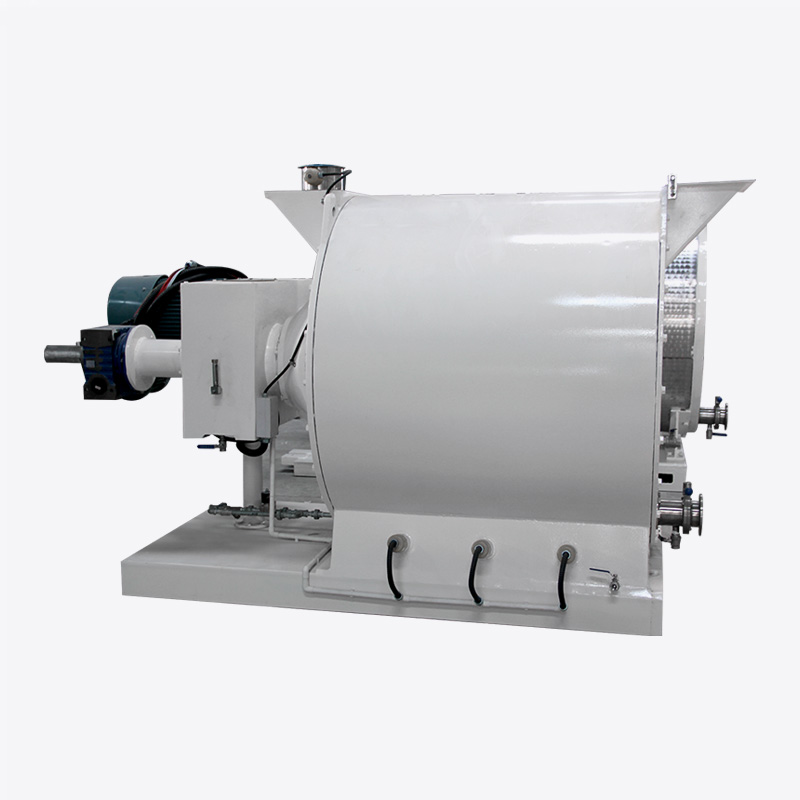
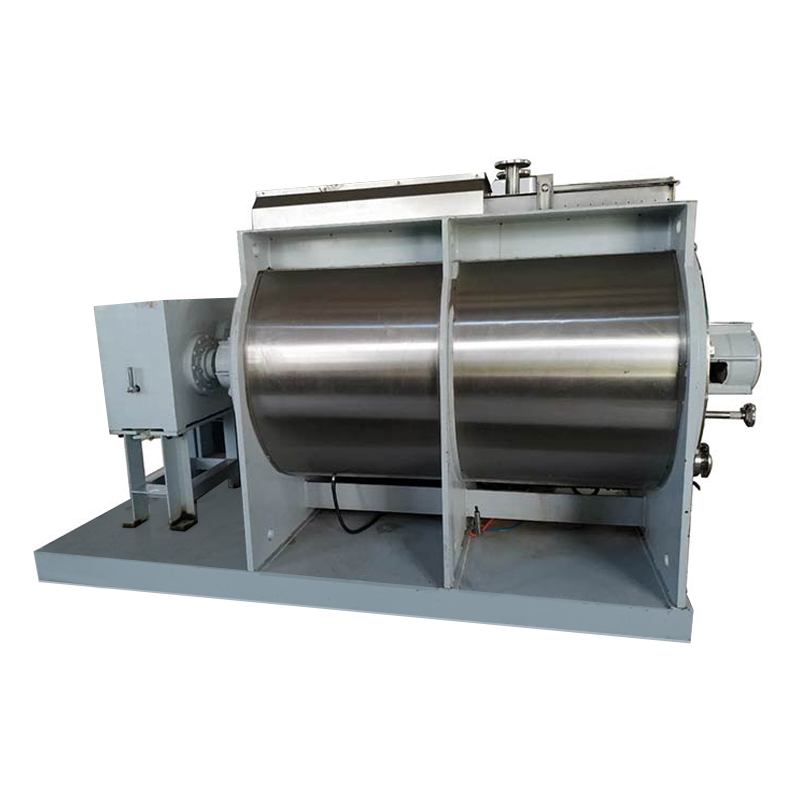
A horizontal conche is the classic design. The mass moves back and forth in a trough while heavy rollers or scrapers knead it. The action is relatively gentle, the cycle tends to be longer, and many makers find that it gives the deepest flavor development, especially for dark chocolate.
A vertical conche uses one or more vertical shafts with mixing arms that shear the mass against the walls of the tank. It has a smaller footprint, handles higher-fat formulations without operational problems, and tends to complete a cycle faster because of the more intense mechanical input. The trade-off is that the stronger treatment generates more heat, so precise temperature control is essential.
There is no universal answer. Recipes that rely on long, gentle development, such as single-origin dark chocolate, may respond better to a horizontal machine. Factories that need higher throughput, or that switch often between milk and dark recipes, often prefer a vertical design.
How to Tell Whether a Cocoa Conching Cycle Is Working
Operators can judge progress without waiting for the final taste test. During the dry phase, the mass should gradually lose its sour note as acetic acid and moisture escape. By the end of the plastic phase, the paste should feel noticeably less gritty when rubbed between the fingers. In the liquid phase, the chocolate should flow in a smooth ribbon rather than breaking into blobs, and the aroma should shift from raw and acidic toward roasted and sweet.
Moisture content is a useful technical signal. Freshly ground cocoa mass can contain around 1.5 to 2 percent moisture. A properly conched batch is usually below 0.6 percent, which helps the chocolate flow better during molding and prevents quality problems in storage. If the moisture stays high, the chocolate will be more viscous and more prone to sugar bloom over time.
Choosing a Conche for Your Production Scale
Buying a conche is a production decision, not just an equipment purchase. Start with batch size, because capacity determines how many batches you can run per shift. A 40 kg unit suits a craft kitchen or an R&D lab. A 500 to 1500 kg machine fits a factory that has moved past pilot scale. A 2000 kg unit supports a mid-size operation supplying retail or wholesale customers.
Construction material is the next checkpoint. Chocolate contact surfaces should be stainless steel for easy cleaning, consistent flavor, and compliance with food-safety inspections. A 2000 kg stainless steel chocolate conche refiner, for example, gives a production team enough volume to run full shifts while keeping the batch surface easy to inspect and clean.
 GUSU Chocolate Conche Manufacturer | JMJ2000 Series Chocolate ConcheDiscover the JMJ2000 Chocolate Conche from a leading Chocolate Conche Manufacturer: stainless‑steel build, 20‑25 µm fineness, efficient r...View Product →
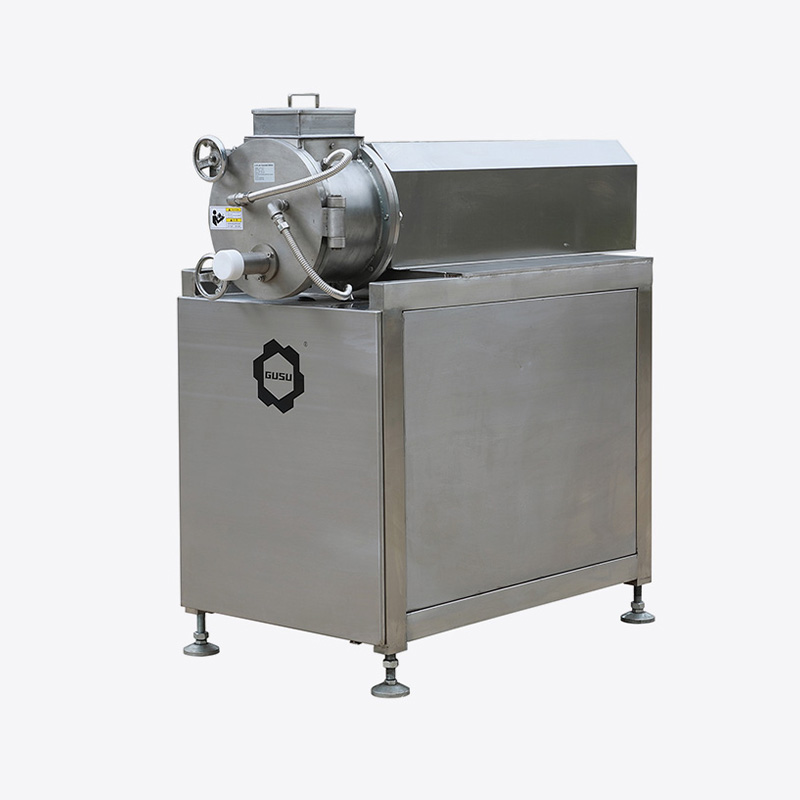
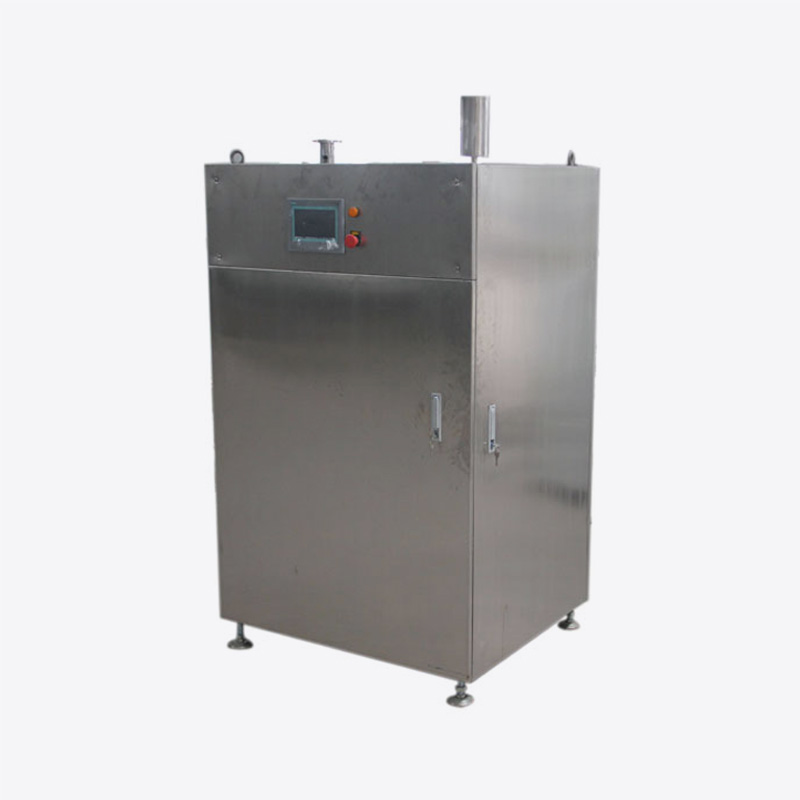
Temperature control and automation are equally important. An automatic cycle controller allows operators to set the temperature profile, agitation speed, and the point at which additional cocoa butter is added. For a smaller producer, a small automatic chocolate conching machine delivers repeatability without occupying a large production hall.
Peanut Butter Grinder | Chocolate Conching Refining Machine | GusuHeavy Duty Peanut Butter Grinder and Chocolate Conching Refining Machine for chocolate refining, conching, and peanut butter grinding.View Product →
For operations in the middle range, a 500 to 1500 kg automatic chocolate grinder provides a practical bridge between craft volumes and full industrial output. It gives the same controlled conching cycle with a footprint that fits into a single line.
Automatic Chocolate Grinder Supplier | JMJ500-1000-1500 SeriesDiscover the JMJ500/1000/1500 Series Automatic Chocolate Grinder from a trusted supplier — engineered for high-performance chocolate refi...View Product →
Whichever capacity you choose, look for a machine with accurate temperature sensors, a robust drive system, and a design that allows the batch to be discharged without leaving excessive residue. The chocolate conche category in our product range covers these options in more detail, with specifications for each capacity class.