

 English
 Español

Chocolate can look like a genuinely simple flowing material at first glance, but its behavior changes as its temperature, composition, and processing condition shift underneath, much like honey turns from a slow drizzle into a quick pour once it warms up on the counter. A chocolate mixture that moves easily through one stage may behave quite differently once it reaches the depositing process further down the line.
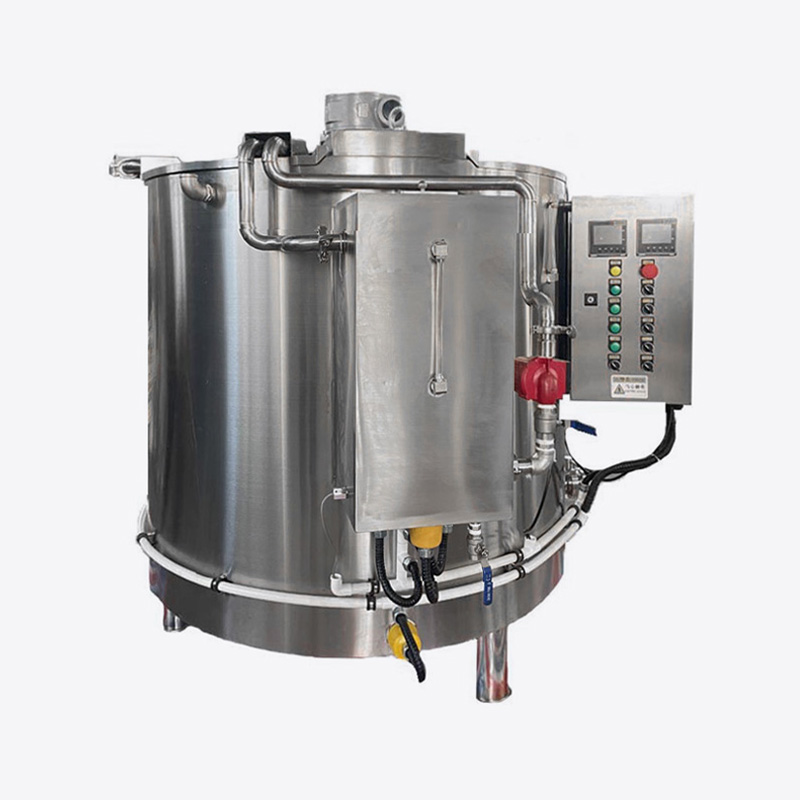
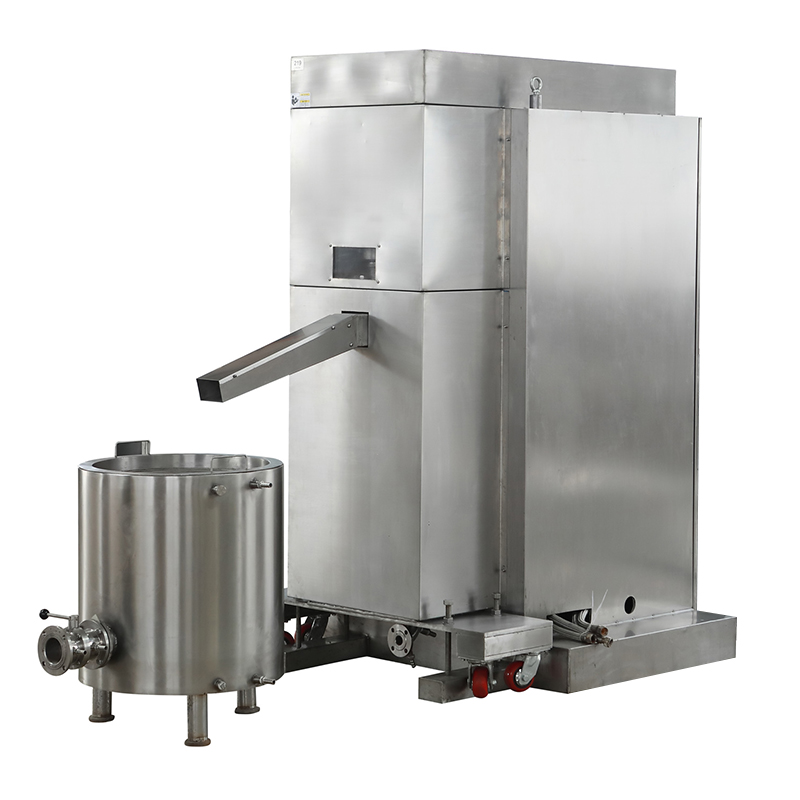
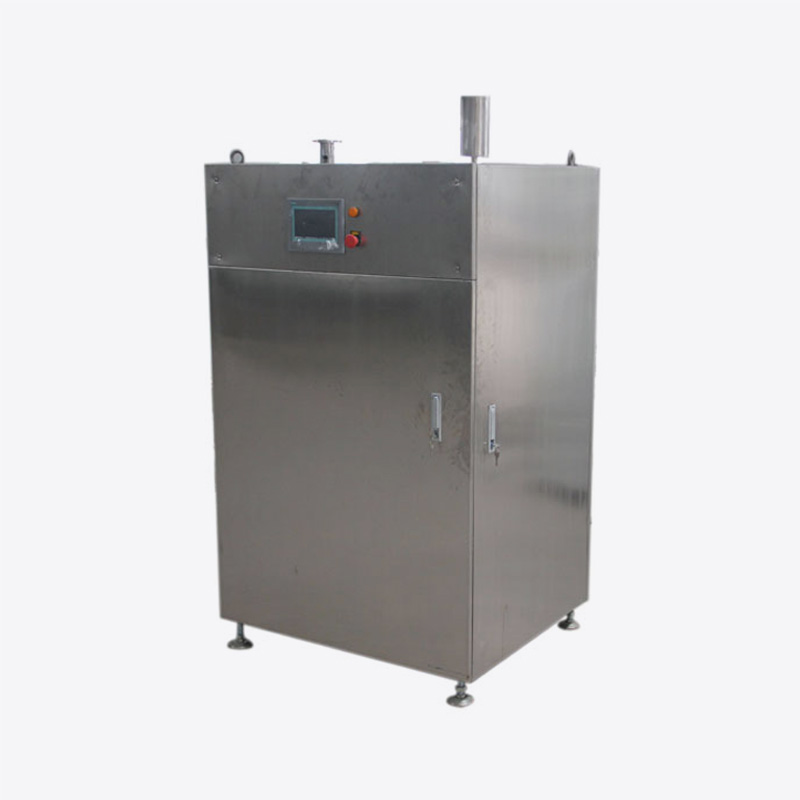
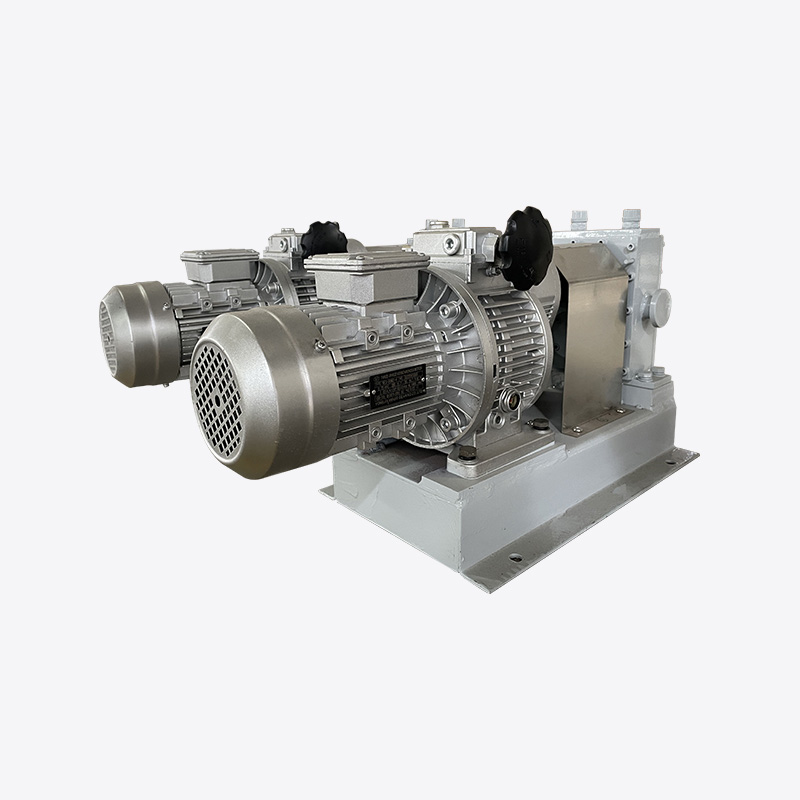
A Chocolate Depositor Machine needs to work with these changes while placing chocolate into molds, onto surfaces, or into other product forms depending on the job. The way chocolate enters the machine can affect how smoothly it moves through the depositing system and how consistently it forms the intended shape at the end.
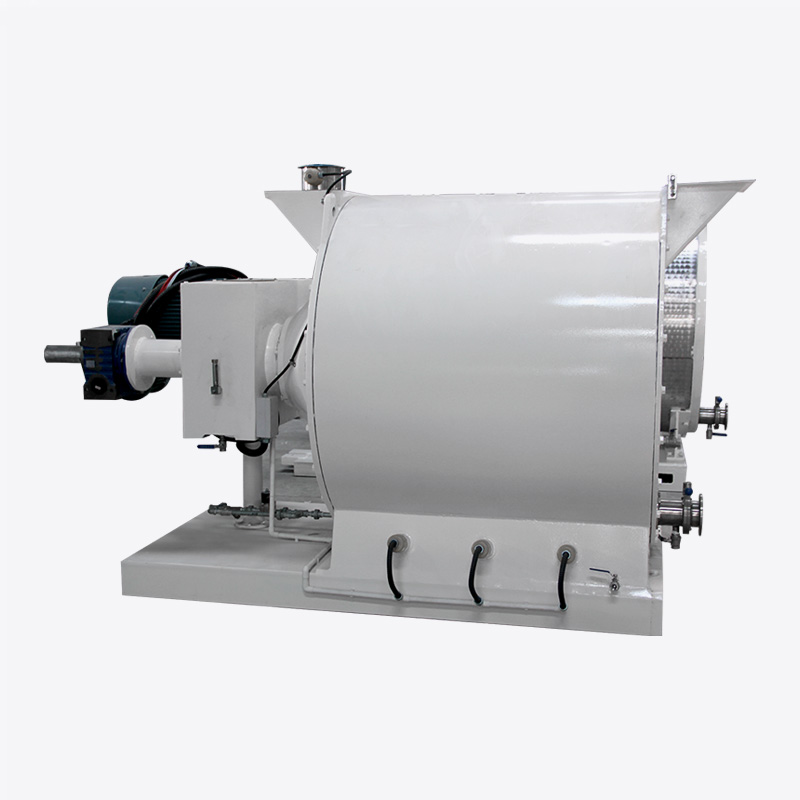
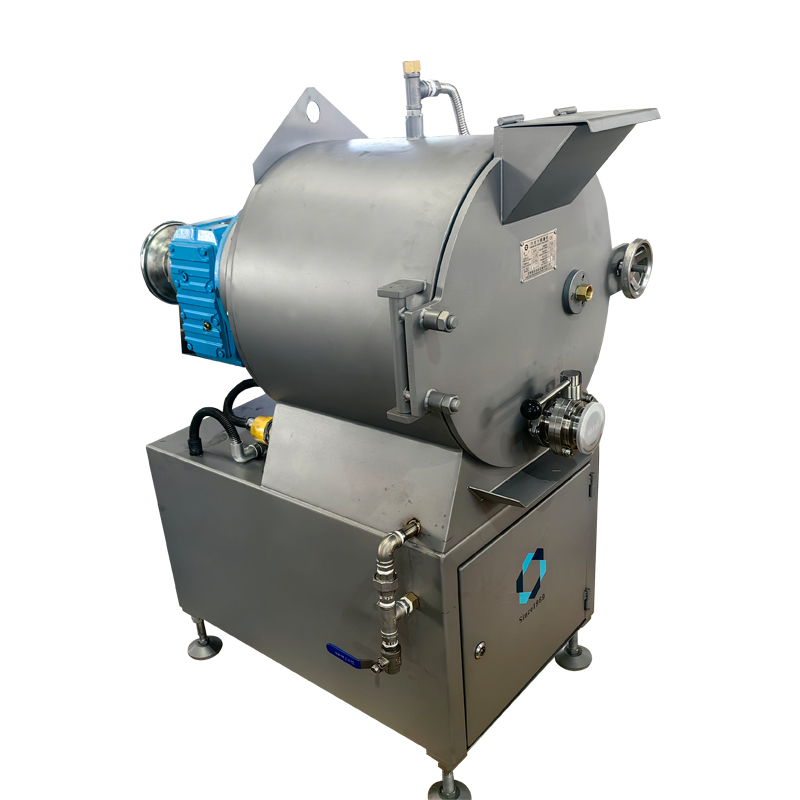
The upstream milling process also has a genuinely important connection with this behavior. A Ball Mill Machine for Chocolate helps prepare the chocolate mixture from the start, and the condition of the material leaving this stage can influence how it behaves during later transfer and deposition.
A Ball Mill for Chocolate Making doesn't determine the entire depositing process on its own. Temperature, formulation, storage, piping, pumping, and handling between the two stages also affect viscosity considerably. Looking at these relationships helps manufacturers understand why a depositor may need to accommodate chocolate with genuinely different flow conditions from one batch to the next.
Content
- 1 Why Does Chocolate Viscosity Matter During Deposition?
- 2 How Does a Chocolate Depositor Machine Respond to Different Flow Conditions?
- 3 How Does the Ball Mill for Chocolate Making Affect Later Flow?
- 4 Can a Ball Mill Machine for Chocolate Influence Depositing Consistency?
- 5 How Does Temperature Change Chocolate Viscosity?
- 6 What Happens When Chocolate Becomes Too Thick for the Depositing Process?
- 7 How Does More Fluid Chocolate Affect Depositing?
- 8 Why Does Piping Matter Before Chocolate Reaches the Depositor?
- 9 How Does Pumping Influence Chocolate Viscosity and Flow?
- 10 Can Storage Change Chocolate Before Depositing?
- 11 How Can a Chocolate Depositor Machine Handle Different Chocolate Products?
- 12 Why Is Consistent Chocolate Supply Important for Deposition?
- 13 What Should Manufacturers Check When Depositing Behavior Changes?
- 14 How Can Upstream and Downstream Equipment Work Together?
Why Does Chocolate Viscosity Matter During Deposition?
Viscosity describes how easily chocolate moves once a force gets applied to it. Chocolate with a thicker consistency can require genuinely more effort to move, while a more fluid mixture can travel through the system with a lot less resistance.
This difference becomes noticeable during depositing because the chocolate needs to move through the equipment and reach the outlet in a controlled manner. Changes in viscosity can affect how the material enters the depositing area, passes through internal passages, and leaves the outlet at the end.
Several conditions can influence the flow state of chocolate at any given moment.
| Condition | Possible Influence on Flow |
|---|---|
| Temperature | Can change chocolate fluidity |
| Formulation | Influences the material's natural flow behavior |
| Milling condition | Affects the prepared chocolate mass |
| Holding time | May change material consistency |
| Transfer process | Can affect temperature and movement |
A depositor therefore needs to work with the chocolate condition it actually receives, rather than treating every batch as exactly the same coming through. This proves particularly relevant once a production facility handles different chocolate products on the same line. Each product may have its own flow characteristics, even when the same depositing equipment gets used across the board.
How Does a Chocolate Depositor Machine Respond to Different Flow Conditions?
A Chocolate Depositor Machine moves chocolate from a supply area toward a controlled outlet at the end of its path. The machine needs to handle the material without creating unnecessary interruptions during the depositing process.
When chocolate becomes thicker, movement through the system may require genuinely greater effort to push it along. When the material becomes more fluid, it may move a lot more easily but can also respond differently once it reaches the outlet at the far end.
The machine's internal arrangement, pumping method, outlet design, and control system all have a relationship with these changes as they occur. The suitable setup depends on the chocolate being processed and the type of product being formed at that moment.
| Chocolate Condition | Depositor Consideration |
|---|---|
| Thicker chocolate | Requires suitable material movement |
| More fluid chocolate | Needs controlled release |
| Changing viscosity | Requires attention to process consistency |
| Stable viscosity | Supports predictable depositing behavior |
The depositor doesn't work on viscosity alone, though, as if that's the only variable in play. It responds to the combined condition of the chocolate and the way the equipment moves it through the system. For this reason, manufacturers need to consider the material path from the supply point all the way to the final outlet.
How Does the Ball Mill for Chocolate Making Affect Later Flow?
A Ball Mill for Chocolate Making prepares the chocolate mass well before it reaches the depositing stage further down the line. The milling process influences the condition of the material, which can then affect how the chocolate behaves during transfer and deposition later on.
The chocolate leaving the mill needs to remain in a state that suits the following production stages waiting ahead. If its condition changes during transfer or storage, the depositor may receive material with genuinely different flow behavior from the material that originally left the milling process.
This makes the connection between milling and depositing genuinely important to track. The relationship can get viewed as a continuous path running from milling through transfer, storage, pumping, and finally depositing.
Each stage along that path can influence the condition of the chocolate as it moves through. A change in one area may become noticeable only later once the material reaches the depositor. The milling stage should therefore get considered as part of the material-flow process, rather than as an isolated operation happening in a vacuum.
Can a Ball Mill Machine for Chocolate Influence Depositing Consistency?
A Ball Mill Machine for Chocolate works on the chocolate mixture before it ever reaches the transfer system downstream. The condition created during this stage can affect the way the material behaves as it moves toward the depositor later.
The milling process can influence the uniformity of the chocolate mass considerably. If the material reaches a genuinely consistent condition, the following stages have a clearer starting point for handling it properly.
The mill, though, doesn't control every factor that affects viscosity on its own. Temperature can change during transfer, and the chocolate may also spend time in a storage vessel before it reaches the depositing equipment at the end. This means manufacturers need to look at the complete material path from start to finish.
| Upstream Condition | Possible Downstream Effect |
|---|---|
| Milling consistency | Provides a stable material condition |
| Temperature after milling | Influences later flow behavior |
| Transfer distance | May affect material temperature |
| Storage condition | Can change consistency over time |
| Pumping process | Influences movement toward the depositor |
A consistent starting condition can make later process changes genuinely easier to identify when they occur. When the chocolate behaves differently at the depositor, manufacturers can trace the material back through the upstream stages, rather than examining the depositing machine in isolation.
How Does Temperature Change Chocolate Viscosity?
Temperature has a genuinely close relationship with chocolate flow throughout the process. When chocolate becomes warmer, it generally becomes easier to move, while cooling can make the material genuinely thicker as it sets up.
This matters because chocolate may travel through pipes, pumps, and holding areas before ever reaching the depositor at the end. Each section of the route can expose the material to quite different thermal conditions along the way.
The temperature of the surrounding environment can also affect the transfer system considerably. A chocolate mixture may gradually lose heat while moving through a transfer route, particularly once the route runs longer or passes through areas with different conditions.
The depositor therefore needs to receive chocolate in a condition suitable for its intended operation on the line. Manufacturers can monitor the material at several points, rather than looking only at the temperature near the depositor itself. This makes it genuinely easier to identify where a change in flow behavior actually begins.
What Happens When Chocolate Becomes Too Thick for the Depositing Process?
Thicker chocolate can require genuinely greater effort to move through the production system as a whole. The effect may appear well before the material reaches the depositor, particularly in the transfer piping or pumping stage upstream.
Once the chocolate enters the Chocolate Depositor Machine, a thicker consistency may influence how quickly the material moves toward the outlet at the end. It can also change the way the chocolate leaves the depositing opening once it gets there.
This doesn't mean thick chocolate can't get deposited at all. The equipment and process simply need to be suited to the material condition they're actually handling. Manufacturers may examine chocolate temperature alongside material formulation, and pumping behavior together with the transfer route in use. Storage conditions matter too, along with depositor settings and outlet condition rounding out the review.
Looking at these factors together can help identify why chocolate has genuinely become harder to move through the system. A change in viscosity may begin well upstream, rather than inside the depositor itself.
How Does More Fluid Chocolate Affect Depositing?
More fluid chocolate also requires genuinely suitable handling, not just a free pass because it moves easily. Easier movement through pipes doesn't automatically mean the depositing process will behave in the same predictable way.
A fluid chocolate mixture may respond quickly to changes in movement and release as it passes through the system. The outlet needs to control the material so it reaches the intended location without unnecessary spreading or uneven formation once released.
The relationship between viscosity and deposition is therefore about control, as well as movement through the system.
| Flow Condition | Depositing Concern |
|---|---|
| High resistance to movement | Chocolate may move more slowly |
| Moderate flow | Material can be easier to control |
| More fluid condition | Release may need closer control |
| Changing flow state | Depositing behavior may vary |
The suitable condition depends heavily on the product being formed at that moment. Chocolate intended for a defined mold shape may need genuinely different handling from chocolate deposited directly onto another surface nearby. The depositor should therefore get considered together with the product format it's meant to produce.
Why Does Piping Matter Before Chocolate Reaches the Depositor?
Piping creates the physical route between the chocolate supply and the depositing equipment sitting at the end. Its condition and arrangement can affect the material well before it ever reaches the outlet.
Bends, connection points, changes in direction, and transfer distance can all influence how the chocolate moves along the route. Temperature changes along that same route may also affect viscosity considerably as the material travels.
If chocolate remains in one section for too long, its condition may change from the material entering the pipe at the start. This can create genuine differences between the chocolate at the beginning and end of a production period running through the day.
Manufacturers can review the transfer route when evaluating changes in depositing behavior downstream. A useful review can consider where the chocolate enters the piping system first, and then how the material moves through the route from there. Where temperature changes may occur along the way matters too, along with how the pipe connects with the depositor and how the system gets cleaned and maintained over time.
The goal is understanding the material journey, rather than treating the pipe as a simple connection between two machines sitting on the floor.
How Does Pumping Influence Chocolate Viscosity and Flow?
Pumping provides the movement needed to transfer chocolate toward the depositor at the end of the line. The condition of the chocolate affects how it responds to this movement as it passes through.
A thicker chocolate mass may behave quite differently from a more fluid mixture when passing through the pumping system. Temperature and formulation also influence this relationship considerably as the material moves.
The pump and transfer route should therefore suit the chocolate being processed at that moment. An arrangement that works fine with one material condition may behave quite differently once the chocolate changes on a different run.
The connection between the pump and depositor also deserves genuine attention in this equation. The chocolate should arrive at the depositing equipment in a condition that matches the way the depositor is intended to handle it. This makes pumping part of the broader flow chain, rather than an isolated transfer task handled on its own.
Can Storage Change Chocolate Before Depositing?
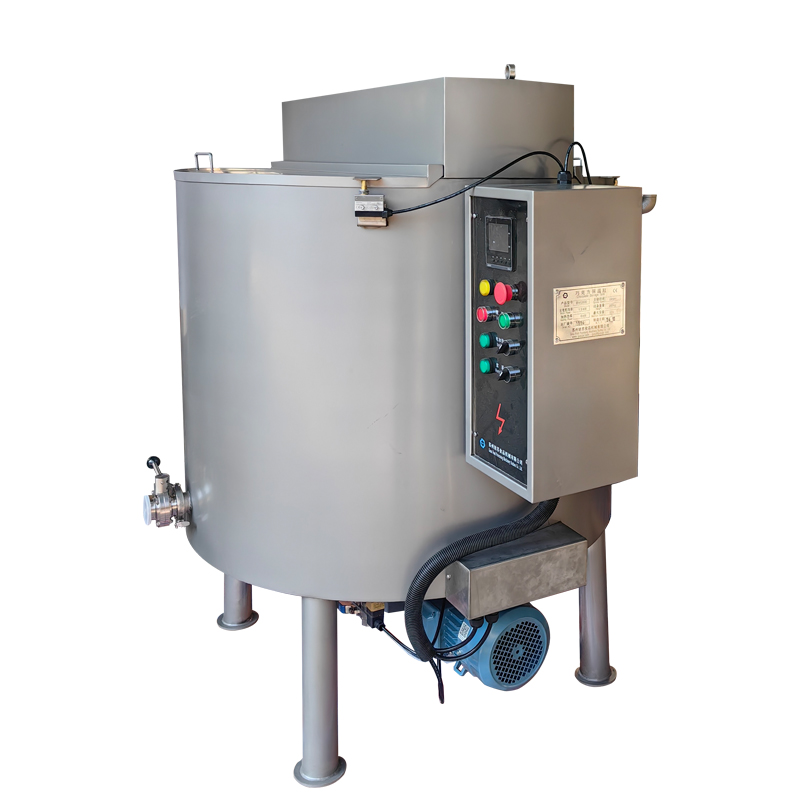
Chocolate may remain in a holding vessel between milling and depositing for some stretch of time. During this period, the material can experience genuine changes in temperature and consistency while it waits.
Storage conditions can therefore influence the viscosity that eventually reaches the depositor at the end. If the chocolate cools during this wait, it may become genuinely harder to move once it's needed again. If its temperature changes in another direction instead, its flow behavior may also shift accordingly.
Movement inside the storage vessel can be relevant as well, not just the temperature sitting still. Chocolate that remains in storage for a period of time needs to reach the outlet in a condition suitable for transfer once called upon.
Manufacturers can consider several storage factors together when reviewing this stage.
| Storage Factor | Relationship With Viscosity |
|---|---|
| Temperature condition | Influences chocolate fluidity |
| Holding period | Allows material condition to change |
| Material movement | Affects consistency within the vessel |
| Outlet arrangement | Influences transfer toward the next stage |
| Cleaning condition | Supports stable production conditions |
Storage is therefore part of the depositing process, even when it sits physically separate from the depositor down the line.
How Can a Chocolate Depositor Machine Handle Different Chocolate Products?
Different chocolate products may require genuinely different flow behavior during deposition depending on the job. A mixture intended for one product shape may not behave in exactly the same way as another sitting on the same line.
The Chocolate Depositor Machine needs to work with the material condition required by the production task at hand. The depositor may need to control how quickly chocolate moves, where it gets released, and how much material reaches each intended location on the mold.
The chocolate formulation can influence these requirements considerably from one product to the next. So can the shape of the mold, the surface receiving the chocolate, and the condition of the material before it enters the machine. This is exactly why a flexible production approach proves useful once several chocolate products get handled by the same facility.
Manufacturers can evaluate the relationship between chocolate formulation and material temperature together, along with viscosity and depositing method side by side. Mold or receiving surface matters too, along with transfer conditions rounding out the picture.
These factors help explain why the same depositor may require genuinely different operating arrangements for different chocolate products moving through it.
Why Is Consistent Chocolate Supply Important for Deposition?
A depositor can only work with the chocolate it actually receives at the inlet. If the incoming material changes noticeably during production, the depositing behavior may change right along with it.
Consistent supply begins well upstream from the depositor itself. The milling process needs to prepare the chocolate in a suitable condition, while the transfer system needs to preserve that condition as the material moves toward the depositor at the end.
Temperature management, pumping, storage, and piping all contribute to this process along the way. The relationship can get represented fairly simply: a stable milling condition leads to controlled transfer, which supports suitable viscosity, which in turn supports consistent deposition at the end. Each stage supports the next one down the line.
When the chocolate reaches the depositor in a genuinely predictable state, manufacturers have a clearer basis for managing the depositing process overall.
What Should Manufacturers Check When Depositing Behavior Changes?
A change at the depositor doesn't always mean the depositor itself has developed a problem. The chocolate may have changed well before it ever reached the machine.
A useful inspection can follow the material backward through the production route, rather than starting at the depositor and stopping there. This can reveal whether the change began at the milling stage, during transfer, in storage, or right near the depositing equipment itself.
Manufacturers can check milling condition to understand how the chocolate was prepared in the first place, and temperature changes to identify possible shifts in fluidity along the way. Piping condition deserves a review of the transfer path, along with pump behavior to examine material movement through the system. Storage conditions should get checked to see whether holding affected the chocolate, and depositor operation deserves evaluation to see how the machine responds to the incoming material it receives.
This approach keeps the investigation genuinely connected to the actual movement of chocolate through the whole line. It can also help separate material-related changes from equipment-related changes when something goes wrong.
How Can Upstream and Downstream Equipment Work Together?
Chocolate deposition depends on genuinely more than the final machine sitting at the end of the line. The condition of the material entering the Chocolate Depositor Machine has already been shaped by several earlier stages before it ever arrives.
The Ball Mill Machine for Chocolate prepares the chocolate mass at the start, while the Ball Mill for Chocolate Making represents a genuinely important upstream stage in controlling the material condition before transfer even begins. Piping, pumping, and storage then influence how that condition changes before the chocolate finally reaches the depositor.
The complete relationship can get viewed as a material journey, rather than a collection of separate machines standing apart from each other: ball milling leads to temperature control, which leads to transfer, then pumping, then storage, and finally deposition at the end.
When manufacturers examine these stages together as one connected system, viscosity becomes genuinely easier to understand in practical terms that matter on the floor. The depositor is responsible for shaping and releasing the chocolate, but its behavior stays closely connected with the condition of the material actually delivered to it.