

 English
 Español

Chocolate production doesn't wrap up the moment the ingredients reach the right milled texture. The mass still has to travel from milling toward storage, transfer, and eventual deposition, and every stage along that path can change how it behaves once it gets there — much the way syrup poured warm from a pan pours easily, then turns stubborn and slow the second it cools on the counter.
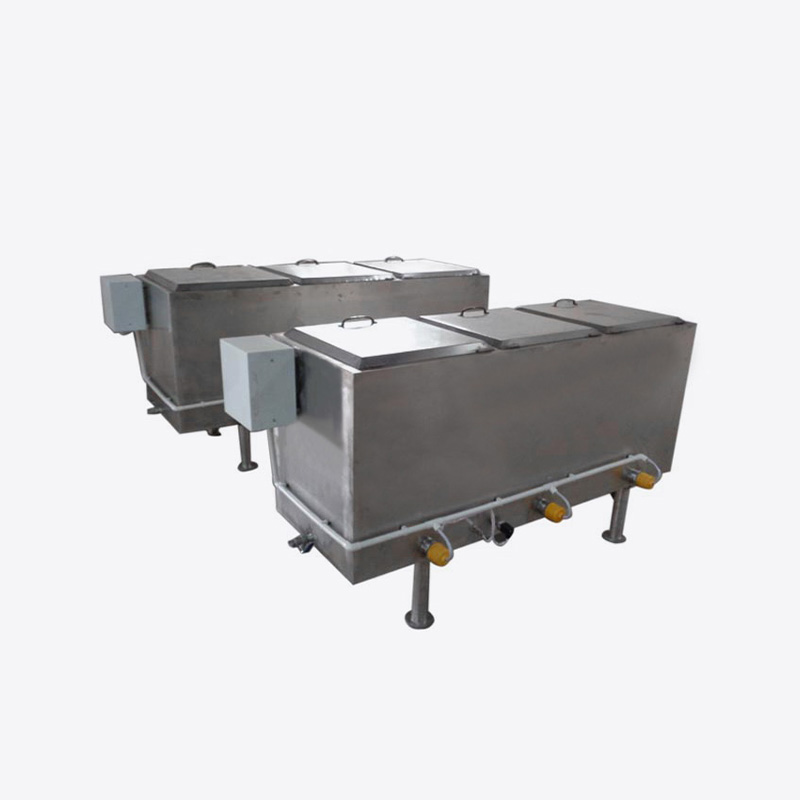
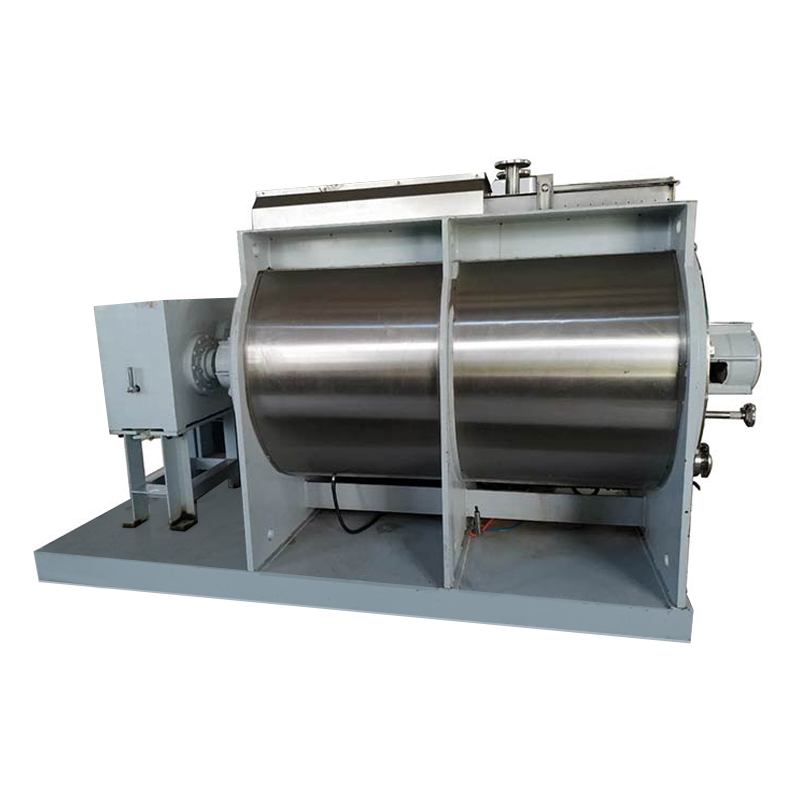
A ball mill machine for chocolate prepares the mass through a controlled milling process, and after that the material passes through pipes, pumps, holding areas, and transfer points on its way toward a chocolate depositor machine. What condition it's in during that whole journey matters a great deal — temperature, viscosity, the piping layout, how the pump handles it, storage conditions, and how long it sits between stages can all shape how easily it actually moves.
A ball mill for chocolate making really needs treatment as one link in a continuous material-flow process rather than a standalone piece of equipment doing its job in isolation. Chocolate leaving the milling stage has to stay in a condition the downstream equipment can actually work with. Understanding that relationship helps manufacturers spot where flow changes actually start and how different production stages ripple into the final depositing step.
Content
- 1 How Chocolate Changes After Ball Milling
- 2 Why Temperature Affects Chocolate Flow
- 3 How Viscosity Influences Chocolate Transfer
- 4 What Role Piping Plays in Chocolate Flow
- 5 How Pumping Affects the Chocolate Mass
- 6 Why Storage Condition Matters Before Depositing
- 7 How Holding Time Influences Chocolate Flow
- 8 How the Depositor Responds to Flow Changes
- 9 Why the Transition Between Milling and Depositing Matters
- 10 Can Piping Layout Affect Temperature During Transfer?
- 11 How Manufacturers Can Keep Chocolate Flow More Consistent
- 12 What to Check When Chocolate Flow Changes
- 13 How Milling and Deposition Work as One Material Flow
How Chocolate Changes After Ball Milling
Ball milling reshapes the physical condition of the chocolate mass by reducing particle size and building a more uniform mixture throughout. What leaves the milling stage can behave quite differently in terms of flow than the ingredients that went in at the start.
From there, the chocolate has to move through the following stages without losing whatever characteristics the later processing depends on. A shift in temperature, or simply sitting around too long, can change how easily it moves through the rest of the system — the same way leftover gravy thickens on the stove the longer it sits off the heat.
| Factor | Possible Effect on Chocolate Flow |
|---|---|
| Milling condition | Influences the consistency of the chocolate mass |
| Temperature | Affects how easily the material moves |
| Composition | Influences flow behavior |
| Holding time | May change the condition of the mass |
| Transfer method | Affects movement between stages |
The goal was never simply getting chocolate out of the mill in one piece. The material also needs to stay workable for the conveying and depositing stages waiting further down the line, which makes the handoff between milling and depositing a real part of production planning rather than an afterthought tucked between two bigger steps.
Why Temperature Affects Chocolate Flow
Temperature has a direct, almost intuitive relationship with how chocolate flows. Warmer chocolate tends to move more easily, while cooling thickens the mass and makes it harder to transfer — anyone who's tried pouring melted chocolate from a double boiler after it's cooled a few minutes has felt this firsthand.
That relationship becomes genuinely important once chocolate travels through pipes or sits in a holding tank before deposition. The material picks up or loses heat depending on the surrounding conditions and how the transfer system itself is built, and temperature can shift again during pumping, since movement through equipment introduces its own set of conditions manufacturers need to account for.
| Production Area | Temperature Consideration |
|---|---|
| After milling | Chocolate needs a suitable flow condition |
| Transfer piping | Heat loss or gain can affect movement |
| Holding tank | Stored chocolate may change over time |
| Pumping stage | Movement can influence material condition |
| Depositing stage | Chocolate needs to reach the depositor in a workable state |
Temperature control isn't a task that lives in one spot on the production line. It follows the chocolate the whole way through, and when temperature shifts meaningfully between two stages, the depositor can end up receiving material that behaves quite differently from what actually left the mill just a short while earlier.
How Viscosity Influences Chocolate Transfer
Viscosity describes how readily a material flows, and chocolate with more resistance to movement demands more effort to push through pipes and equipment — closer to trying to squeeze cold honey out of a bottle than pouring water from a jug.
After milling, viscosity depends on the chocolate's formulation, its temperature, the condition of the milled particles, and how long it's been sitting in the system, and these factors interact with each other rather than acting on their own in isolation. A shift in viscosity changes how the chocolate moves through the transfer system, and it can also affect how consistently the material actually enters the depositor once it arrives there.
For manufacturers, this means the flow condition between a ball mill for chocolate making and a chocolate depositor machine deserves ongoing attention rather than a one-time check. If the chocolate turns harder to move, the pumping stage may need to work differently to keep up. If it turns too fluid instead, the depositing behavior can shift in the opposite direction. What condition actually works best depends on the specific product and the deposition method being used.
What Role Piping Plays in Chocolate Flow
Piping provides the physical route connecting different parts of the production system, and while it can look like a passive backdrop to everything else happening, its layout genuinely shapes how the chocolate actually moves through it.
Longer transfer routes create more opportunity for temperature to shift along the way. Bends, connection points, valves, and changes in direction all leave their own mark on how the mass travels. The internal condition of the pipe matters too — chocolate residue can build up on interior surfaces if the system isn't kept clean, and that accumulated buildup can interfere with later production runs in ways that are easy to trace back once you know where to look.
A few piping considerations deserve real attention during planning. Route design decides how far the chocolate actually has to travel from one point to the next. Pipe arrangement shapes how many bends and connection points the mass passes through along the way. Thermal conditions shift as the chocolate moves, whether the route runs near a warm oven or a cooler storage room. Cleaning access decides how easily the system can actually be maintained without shutting down production for hours. Connection design shapes how smoothly the chocolate transitions between different pieces of equipment rather than stalling at a poorly matched joint.
Piping routes deserve consideration alongside the condition of the chocolate leaving the mill, not as a separate engineering decision made without reference to what's actually flowing through the pipe. A well-planned route helps maintain a more consistent material condition as the chocolate moves toward deposition rather than arriving at the other end in worse shape than it left in.
How Pumping Affects the Chocolate Mass
A pump moves chocolate from one production stage to the next, but the process involves more than simply pushing material forward through a line.
The chocolate needs to enter the pump in a workable condition to begin with, and the pump then needs to move that material without introducing changes that could complicate later processing down the line. Pump selection depends on the chocolate's characteristics and the wider production arrangement, since different systems respond differently to shifts in viscosity, temperature, and general flow resistance.
The connection between pump and piping matters just as much as either component on its own. Poorly matched equipment can create interruptions or inconsistent movement between stages, the kind of hiccup that shows up later as an uneven batch nobody can quite explain.
| Pumping Consideration | Relationship with Chocolate Flow |
|---|---|
| Chocolate condition | Influences how the material enters the pump |
| Viscosity | Affects movement through the pumping system |
| Temperature | Changes the material's flow behavior |
| Pump arrangement | Influences transfer consistency |
| Piping connection | Affects movement between equipment |
The pump deserves treatment as one part of the material path rather than a standalone component doing its own separate job. Its role is helping maintain a controlled transfer from the milling stage all the way toward storage and deposition, not just moving chocolate from point A to point B without regard for what condition it arrives in.
Why Storage Condition Matters Before Depositing
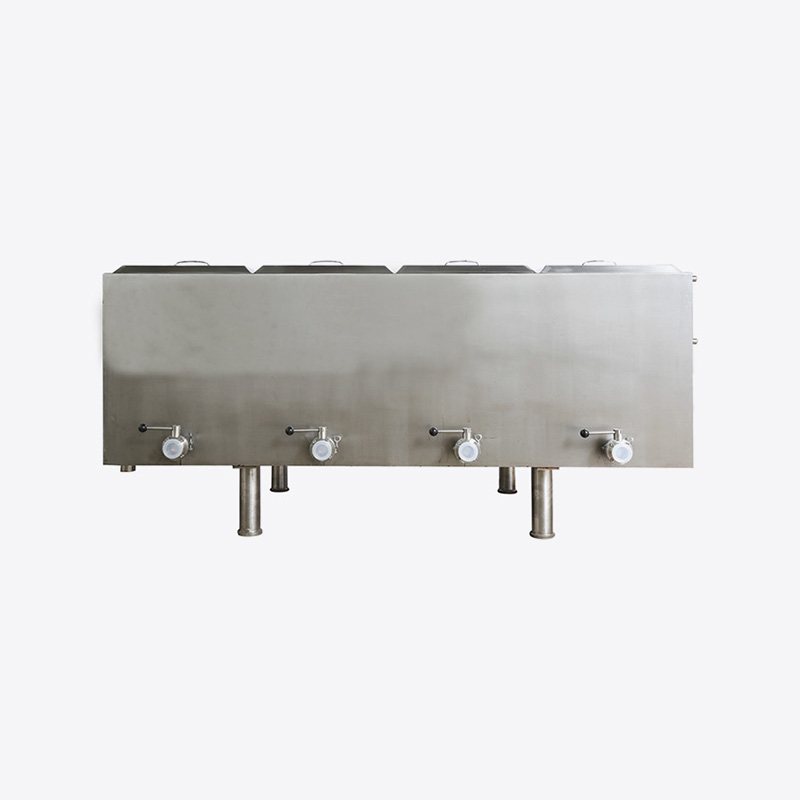
Chocolate doesn't always travel straight from milling to depositing without a pause along the way. A holding tank or storage vessel often gives the material somewhere to sit before the next stage actually needs it.
During that holding period, the chocolate stays sensitive to whatever's happening around it. Temperature swings can shift viscosity, and extended holding can affect how evenly the material behaves once it's finally called on again. The storage vessel also needs to support a steady, predictable supply toward the depositor — if chocolate settles unevenly inside the tank, or develops real differences from one part of the vessel to another, the material actually reaching the outlet might not behave consistently throughout a full production run.
Worth keeping an eye on here: tank temperature control, how long the chocolate actually holds before moving on, whether the material inside the vessel keeps moving or sits stagnant, where the outlet sits relative to any settling that occurs, how easily the tank can be cleaned between batches, and how well it connects with the transfer system feeding into it. Storage was never simply a place to park chocolate temporarily out of the way. It forms its own real part of the flow path running between milling and depositing.
How Holding Time Influences Chocolate Flow
How long chocolate spends between processing stages genuinely shapes its condition by the time it reaches the next one. A short transfer exposes the material to fewer changes along the way, while longer holding opens up more room for temperature and consistency to shift before anyone notices.
The actual effect depends on the chocolate's formulation and the surrounding production conditions — some products handle extended storage better than others, the same way some sauces hold their texture in the fridge while others separate after a day. The real point worth remembering is that time deserves consideration right alongside temperature and material movement, not treated as a separate variable off on its own.
Picture a chocolate mass leaving the mill in genuinely good condition, then thickening after sitting a while in a cooler storage area nobody thought to warm up. The depositor downstream ends up receiving material that needs different handling from what left the mill originally, through no fault of the milling stage itself.
| Flow Stage | Possible Change Over Time |
|---|---|
| Milling outlet | Material leaves the milling process |
| Transfer piping | Temperature and movement can change |
| Holding area | Chocolate may remain stationary or move slowly |
| Pumping | Material is transferred toward the depositor |
| Depositor inlet | Chocolate needs to remain suitable for shaping |
Looking at things this way ties time directly to the actual movement of the chocolate, rather than treating a flow problem as something that appears out of nowhere at the depositor.
How the Depositor Responds to Flow Changes
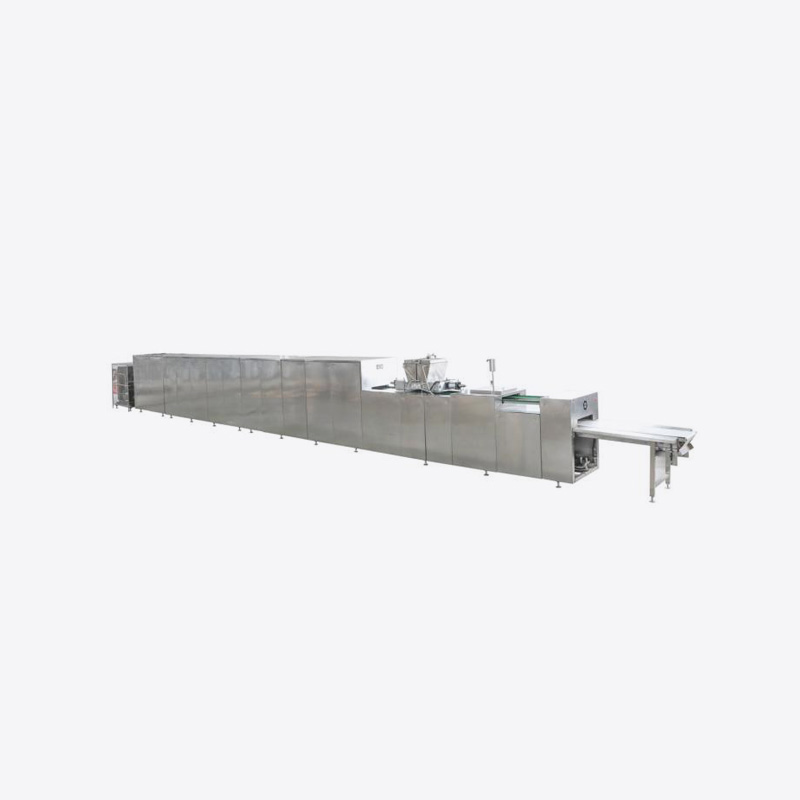
A chocolate depositor machine takes the prepared chocolate and places it into molds, onto surfaces, or into whatever other product form the production method calls for. For it to work consistently, the incoming chocolate needs to arrive in a genuinely suitable condition, since shifts in viscosity change how the material leaves the depositing system and how well it takes the intended shape once it's out.
Temperature matters here too. Chocolate that's too thick moves differently through the mechanism than chocolate that's more fluid, which changes how the material enters and exits the depositing process itself.
| Incoming Condition | Possible Depositing Effect |
|---|---|
| Consistent viscosity | Supports steady material movement |
| Changing viscosity | May alter depositing behavior |
| Suitable temperature | Helps maintain workable flow |
| Uneven material condition | Can affect product formation |
None of this means the depositor controls every aspect of chocolate flow on its own. Its performance ties directly to the condition of whatever material actually gets supplied to it, which is exactly why manufacturers benefit from examining the entire route running from the mill outlet all the way to the depositor inlet rather than judging the depositor in isolation.
Why the Transition Between Milling and Depositing Matters
Milling and depositing perform genuinely different functions, but they connect through the same chocolate mass moving between them. The ball mill machine for chocolate works on the material during preparation, and the depositor then takes that prepared chocolate and turns it into a defined product shape at the other end.
Between those two stages, the chocolate often passes through several other pieces of equipment, each one capable of shifting temperature, movement, storage time, or overall consistency along the way: milling flows into transfer, which flows into pumping, then storage, then transfer again, before finally reaching depositing. That chain of conditions matters more than any single point of control along the route — if one link shifts the chocolate's condition, the effect can carry straight through into whatever comes next.
Manufacturers benefit from examining these transition points specifically whenever flow behavior changes unexpectedly, rather than assuming the problem started right where it first became visible.
Can Piping Layout Affect Temperature During Transfer?
Piping does more than just determine which direction chocolate moves in. It also shapes how long the material stays inside the transfer system and how much contact it has with whatever conditions surround it along the way.
A longer or more complicated route creates different thermal conditions than a shorter, more direct one would. Areas around bends and connections often need extra attention during cleaning and maintenance too, since buildup tends to collect exactly where the flow changes direction.
Weak thermal control can let chocolate cool while it travels toward the depositor, leaving it thicker than intended by the time it arrives. In other setups, heating conditions can push the opposite way, making the material more fluid than the recipe actually called for. The piping system genuinely needs to match both the chocolate's characteristics and whatever the following process actually requires from it.
A practical review worth running through covers transfer distance, pipe arrangement, temperature conditions along the route, connection points, cleaning requirements, and how easily the system can be inspected without disrupting production. These details shape how consistently the chocolate actually arrives at the depositor batch after batch.
How Manufacturers Can Keep Chocolate Flow More Consistent
Consistent flow comes from managing several connected conditions together rather than leaning on one piece of equipment to fix everything downstream. The chocolate needs to leave milling in a workable state, and the transfer system then needs to preserve that condition as much as it reasonably can while the material moves through piping, pumps, and storage.
| Production Question | Flow Consideration |
|---|---|
| What condition leaves the mill? | Establishes the starting point |
| How does the material travel? | Reveals possible transfer changes |
| Where is chocolate held? | Identifies storage effects |
| How is it pumped? | Shows movement conditions |
| What reaches the depositor? | Indicates whether the material remains suitable |
Working through this framework helps identify where changes actually begin. Rather than adjusting the depositor alone every time something looks off, manufacturers can trace the chocolate backward through the whole production route and check conditions at each individual stage along the way.
What to Check When Chocolate Flow Changes
A sudden shift in chocolate flow can trace back to several possible causes, and the issue may not actually originate where the problem first becomes visible. A depositor might appear to be handling chocolate differently than usual, while the real change happened earlier, back during storage, pumping, or transfer.
A practical inspection follows the material's actual path rather than jumping straight to the equipment where the symptom showed up. Check the chocolate's condition right after milling. Review whatever temperature changes occurred during transfer. Examine the pumping stage for unusual movement patterns. Inspect storage conditions and how long the chocolate actually sat there. Review the piping route for spots that might be affecting flow. Check the condition of the chocolate as it enters the depositor itself.
Working through the sequence this way keeps the investigation tied to the actual production process rather than guessing, and it helps distinguish an equipment problem from a genuine change in the material moving through it.
How Milling and Deposition Work as One Material Flow
The connection between a ball mill machine for chocolate, the transfer system, the storage area, and a chocolate depositor machine really comes down to the movement of the chocolate itself as it passes through all of them in sequence.
The mill prepares the material, while every stage after it needs to preserve a workable condition until the chocolate finally reaches the depositing point. Temperature, viscosity, pumping, piping, and holding conditions all shape that journey together rather than in isolation from each other.
A ball mill for chocolate making is really one part of a larger production path, and its output needs to match whatever the downstream equipment actually requires from it. Manufacturers benefit from evaluating the entire material route when planning or adjusting production, since looking at each transition reveals how a change at one stage can ripple into flow behavior at another — particularly as chocolate moves from milling through transfer and storage on its way toward the depositing process at the very end of the line.