

 English
 Español

Anyone who's worked in a chocolate kitchen knows the feeling of chipping away at a rock-hard block of cocoa butter with a knife, waiting for it to soften enough to pour. A batch can come out grainy or uneven simply because the fat wasn't ready when it hit the mixing bowl. Small delays like this ripple through an entire production day, turning what should be a smooth shift into one spent chasing a stubborn ingredient. Dedicated melting equipment solves this by giving cocoa butter a controlled space to soften before it ever reaches the mixer. Instead of guessing whether a chunk has warmed through, or scraping solid pieces off the sides of a pot, manufacturers get a setup built around handling this one ingredient properly. Cocoa butter shapes how chocolate flows, how it combines with sugar and cocoa solids, and how it eventually feels on the tongue. Handle it well early on, and the steps after tend to go smoothly. Skip that step or rush it, and the trouble shows up later, often somewhere harder to fix.
Content
- 1 Why Does Cocoa Butter Preparation Matter in Chocolate Production?
- 2 How Does This Equipment Work During Processing?
- 3 What Problems Does This Help Chocolate Manufacturers Avoid?
- 4 How Does Proper Melting Affect Chocolate Texture?
- 5 What Features Should Manufacturers Look For?
- 6 Can This Kind of Equipment Support Different Chocolate Applications?
- 7 How Can Manufacturers Keep This Equipment Running Well Over Time?
- 8 Why Does a Dedicated Melting Stage Matter for Modern Chocolate Production?
Why Does Cocoa Butter Preparation Matter in Chocolate Production?
Cocoa butter sits solid at room temperature, which is exactly why it needs softening before it's useful in a recipe. A confectioner working out of a small kitchen faces the same basic problem as a factory running thousands of bars a day: solid fat doesn't mix into anything.
When this stage gets skipped or handled inconsistently, workers end up pausing the line to break down stubborn chunks by hand, which slows everything behind it. A kitchen running on a tight schedule can't afford that kind of stop-and-start rhythm.
A few problems tend to show up when cocoa butter isn't prepared well:
| Production Challenge | How Proper Melting Helps |
|---|---|
| Solid cocoa butter is hard to move or pour | Turns it into a liquid that transfers easily |
| Uneven softening between batches | Keeps preparation consistent from one run to the next |
| Delays before mixing can begin | Keeps the line moving without unplanned stops |
| Difficulty blending with other ingredients | Lets the fat combine smoothly once it's fluid |
Melting cocoa butter isn't just about getting it liquid. It's about getting it ready in a way that sets up everything downstream, from mixing to tempering to shaping.
How Does This Equipment Work During Processing?
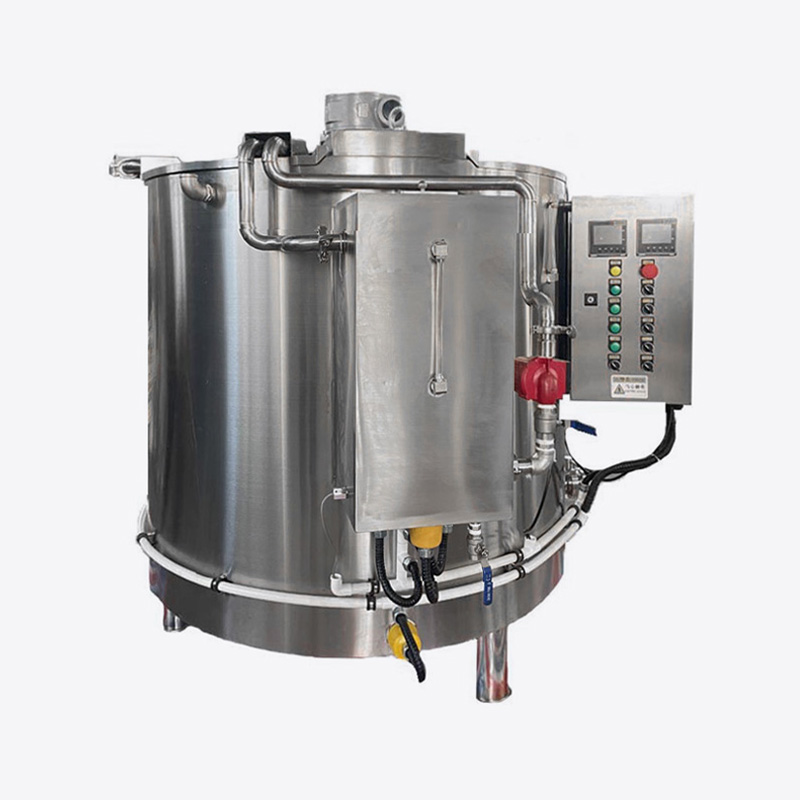
The idea behind a melting unit is fairly simple: give solid cocoa butter a warm, contained space to soften gradually instead of relying on stovetop guesswork or leaving blocks out to warm on their own.
Solid cocoa butter goes into the melting chamber. Heat applied through the equipment softens it steadily until it turns fluid. From there, it moves into whatever stage comes next, blending with cocoa mass, sugar, milk solids, or other chocolate components depending on the recipe.
The general sequence looks like this:
- Solid cocoa butter goes into the melting unit
- Heat softens the material until it turns liquid
- The melted butter gets transferred toward mixing
- Production continues into the next processing stage
This turns what used to be a loosely managed task, someone eyeballing a pot on a burner, into a repeatable part of the workflow. A shop running the same recipe every day benefits from knowing the fat behaves the same way each time it goes into the mix.
What Problems Does This Help Chocolate Manufacturers Avoid?
Chocolate production runs as a chain of connected steps, and a rough start at one stage tends to show up somewhere later. Cocoa butter that hasn't softened evenly can leave lumps in a mixture that's supposed to come out silky.
One recurring headache is handling solid chunks that break down at different rates. A worker checking a pot every few minutes to see if it's finally smooth loses time that could go toward other parts of the shift. A dedicated setup handles that softening before the butter ever reaches the mixing stage.
Another issue involves the manual checking itself. Instead of a worker repeatedly testing whether the fat feels ready, the process becomes something built into the schedule rather than a task someone has to babysit.
Practical benefits tend to include:
- Smoother transfer of melted cocoa butter between stages
- A more predictable preparation routine
- Fewer stoppages caused by leftover solid chunks
- Better timing between melting and mixing steps
None of this replaces good judgment on the production floor. It just removes one variable that used to eat into everyone's attention.
How Does Proper Melting Affect Chocolate Texture?
Anyone biting into a chocolate bar notices texture right away, whether it feels smooth or slightly grainy on the tongue. That feel comes from how well the ingredients came together during production, and cocoa butter plays a direct role in that outcome because of how it affects flow and structure.
Cocoa butter that's melted evenly blends into the rest of the mixture without leaving behind unmelted bits that later show up as grainy spots. That consistency carries through the rest of the process, from mixing to tempering.
Cocoa butter that's poorly prepared tends to cause the opposite. Chunks that haven't fully softened can resist blending, forcing workers to spend extra time mixing or reheating before the batch reaches a workable state.
| Processing Area | Possible Benefit |
|---|---|
| Ingredient blending | Smoother combination with other materials |
| Production flow | Fewer pauses during preparation |
| Texture development | Supports a more even final feel |
| Material handling | Makes the fat easier to work with overall |
Plenty of factors shape chocolate texture, but the melting stage sits near the beginning of that chain, which gives it outsized influence on everything that follows.
What Features Should Manufacturers Look For?
Choosing equipment for a chocolate line means looking past how it looks on a spec sheet and thinking about how it fits into daily use. A piece of equipment that looks impressive but fights the existing workflow ends up creating new headaches instead of solving old ones.
Ease of operation matters early on. Equipment that's straightforward to run lets workers focus attention elsewhere instead of fussing with settings every time a new batch starts.
Cleaning matters just as much. Cocoa butter residue clings to surfaces, and equipment that's awkward to clean tends to accumulate buildup that eventually affects new batches.
Worth considering before buying:
- How well the equipment fits into the current setup on the floor
- Whether it's built for regular cleaning and upkeep
- How easily cocoa butter goes in and comes back out
- Whether it matches the scale and type of chocolate being produced
A small workshop turning out a handful of batches a week has different needs than a larger operation running continuous shifts, even though both are solving the same basic problem.
Can This Kind of Equipment Support Different Chocolate Applications?
Chocolate products vary widely, coatings, molded bars, fillings, each with its own texture goals and processing needs. Cocoa butter shows up across most of these applications, which means preparation matters regardless of what's being made.
Chocolate coating work depends on ingredients flowing smoothly and evenly over whatever's being coated. A properly softened supply of cocoa butter supports that kind of steady flow. Molded chocolate work has different demands, since the mixture needs to set into a specific shape without leaving air pockets or uneven spots.
| Application Area | Role of Cocoa Butter Preparation |
|---|---|
| Chocolate coating | Keeps ingredient flow steady and even |
| Chocolate mixing | Supports smoother combination with other materials |
| Molded chocolate production | Prepares material before it takes shape |
| Specialty chocolate products | Gives a consistent starting point across batches |
Equipment alone doesn't determine how a finished product turns out. Recipe choices, ingredient quality, and handling throughout the process all play a part. Still, a reliable melting stage gives many of these processes a steadier foundation to build on.
How Can Manufacturers Keep This Equipment Running Well Over Time?
Regular upkeep keeps any piece of chocolate equipment working the way it's supposed to. Cocoa butter residue builds up gradually, so cleaning needs to become part of the normal routine rather than something addressed only when a problem shows up.
Keeping the melting area clean prevents leftover material from mixing into a fresh batch, which can throw off both flavor and texture. It also gives workers a chance to notice small issues, a slow leak, a sticking part, before they turn into bigger repair jobs.
Habits worth building into a regular schedule:
- Wiping down surfaces once a production run wraps up
- Checking moving parts for wear or resistance
- Clearing out leftover cocoa butter residue before it hardens
- Following whatever care instructions came with the equipment
None of this needs to become complicated. A few consistent habits go a long way toward keeping the equipment predictable day after day.
Why Does a Dedicated Melting Stage Matter for Modern Chocolate Production?
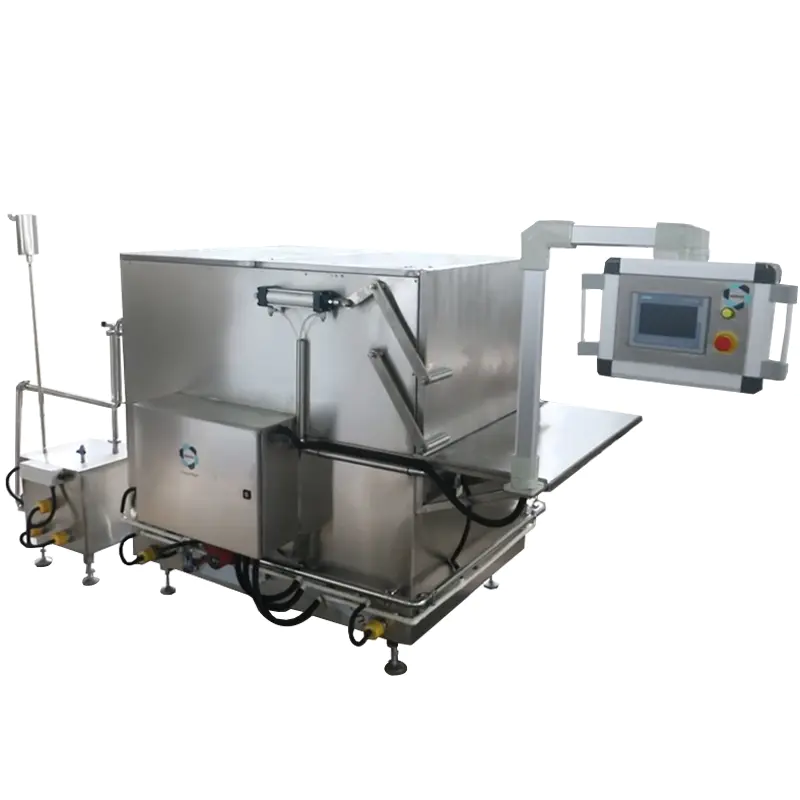
Chocolate production keeps demanding tighter control over how ingredients get prepared before they reach the mixing bowl. As workflows become more organized, each stage needs to work smoothly with the ones around it, and cocoa butter preparation sits right at the start of that chain. A Cocoa Butter Melter gives manufacturers a practical way to handle this stage without relying on guesswork or manual chipping. It turns a stubborn solid ingredient into something workable, which makes the steps that follow, mixing, blending, shaping, considerably easier to manage. For anyone running a chocolate operation, big or small, the value shows up in the everyday rhythm of the shift. A well-run melting stage keeps preparation predictable, cuts down on unnecessary stops, and gives workers one less variable to worry about while everything else in the process keeps moving.