

 English
 Español

Picture a chocolate-coated biscuit on a shelf. The coating is thin, even, and glossy, with no white streaks or soft spots. That finish is not an accident. It comes from the grade of chocolate used in the enrobing process - chocolat de couverture. If you produce chocolate-coated products or moulded chocolate pieces, couverture grade is not a decorative label. It is a functional requirement for consistent gloss, snap, and shelf life.
Content
What makes a chocolate a couverture
Couverture chocolate is distinguished from regular chocolate by one thing: cocoa butter content. Standard chocolate contains just enough cocoa butter to stay solid, usually around 18 to 20 percent. Couverture carries a higher proportion, typically 32 to 39 percent in dark varieties. The extra fat changes how the chocolate behaves. It makes the melted chocolate more fluid, which allows a thinner and more even coating on biscuits, cakes, or centres. It also promotes the correct crystallisation during tempering, giving the finished piece its glossy surface and crisp snap.
The term couverture comes from the French word meaning "to cover." French chocolate manufacturers were among the first to standardise this high-fat grade for use in coating, enrobing, and moulding applications. Today, the term is used internationally to identify chocolate that can form a thin, continuous shell around a centre or release cleanly from a mould.
European regulations set minimum requirements for chocolate grades, and couverture is understood to exceed those standards in cocoa butter content. In practice, the cocoa butter proportion is what gives couverture its working properties. Without enough cocoa butter, the chocolate will not flow freely, the coating will be thick and uneven, and the final product will lack shine.
From cocoa mass to finished couverture
Making couverture chocolate is a multi-stage process. Each stage influences the final texture and flavor, so the equipment used at every step must be selected with the couverture grade in mind.
Refining
Refining is the first step that shapes the mouthfeel. The ingredients - cocoa mass, sugar, milk powder if applicable, and part of the cocoa butter - are mixed into a paste. This paste is then processed to reduce particle size. For couverture, the target particle size is typically between 15 and 25 microns. Once particles are above 30 microns, the chocolate begins to feel gritty on the tongue.
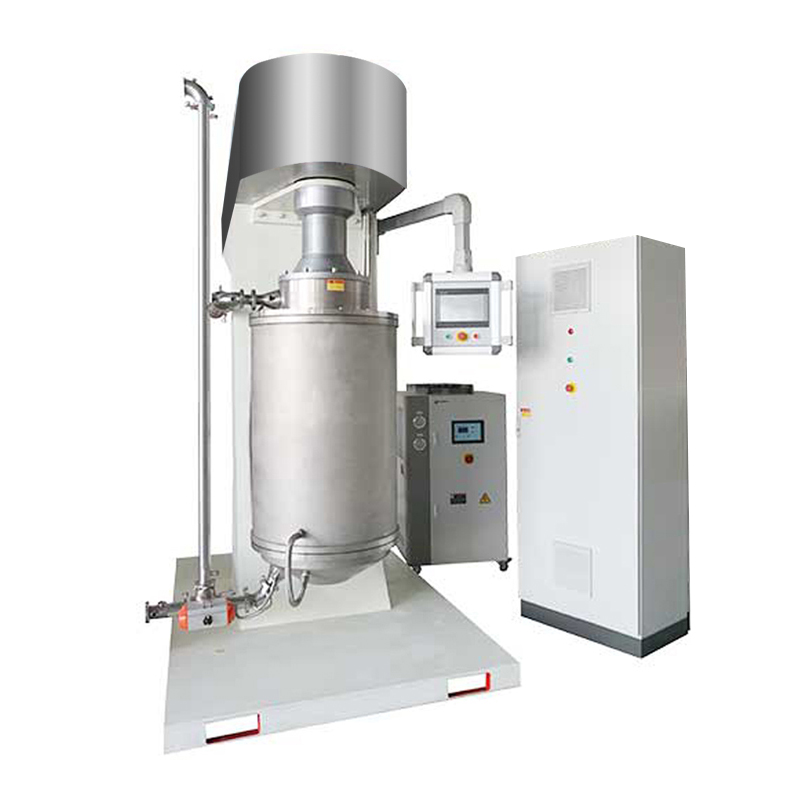
A ball mill is the most common piece of equipment for this stage. It uses grinding media to crush and shear the paste continuously. Ball mills can handle both small and large batch sizes, and some designs integrate into a continuous production line. The key is consistency: every batch must reach the same fineness, otherwise the final couverture will taste different from one run to the next.
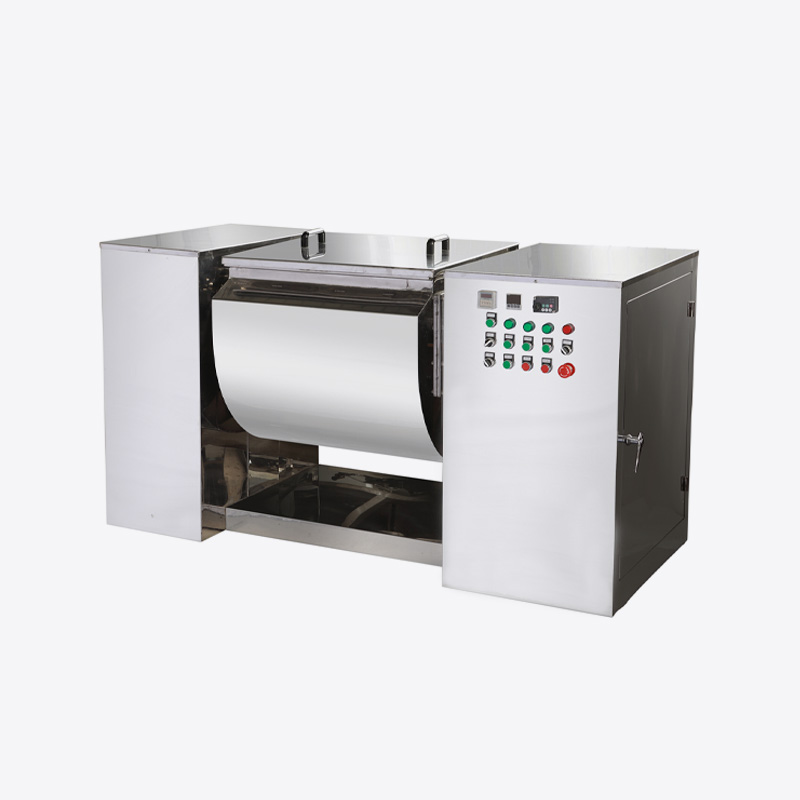
 Continuous Chocolate Ball Mill for Fine GrindingThis single-shaft ball mill grinds chocolate paste to 20-25 microns, ensuring consistent fineness for smooth couverture. Available in 5L, 500L, and 1000L capacities for continuous production.View Product →
Conching
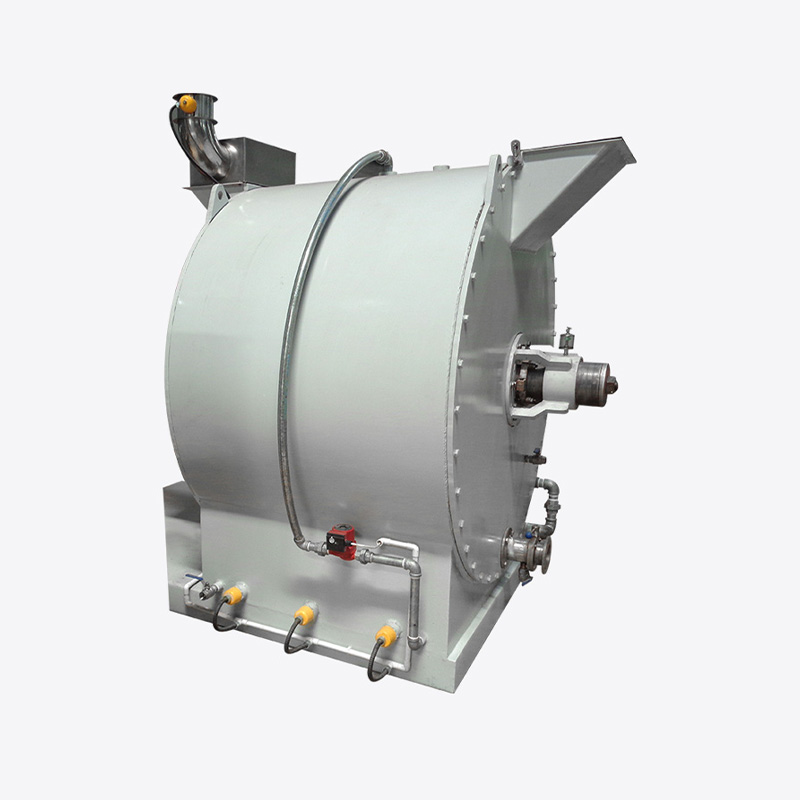
After refining, the paste goes through conching. Conching is a slow kneading and aeration process that removes volatile acids, reduces moisture, develops flavour, and coats the solid particles with fat. Depending on the recipe, conching can take from several hours to three days. Long conching produces a smoother, more rounded flavour, but it also requires equipment that can maintain consistent temperature and shear over the full cycle. Modern conching technology provides that control. If the temperature rises too high, the chocolate can develop a burnt note. If it is too low, the flavour and texture will not reach their potential.
Tempering
Tempering is the most technically demanding step. The chocolate is melted, cooled, and then reheated through a precise temperature curve. The purpose is to create the correct crystal type of cocoa butter - the beta V form. Only that form gives the finished chocolate the desired gloss, snap, and stability at room temperature.
The typical curve for dark couverture is to heat the chocolate to 45-50°C until fully melted, cool it to around 27-28°C to encourage crystal growth, then reheat it to about 31-32°C to eliminate unstable crystals. Milk and white couverture follow similar curves at slightly lower temperatures.
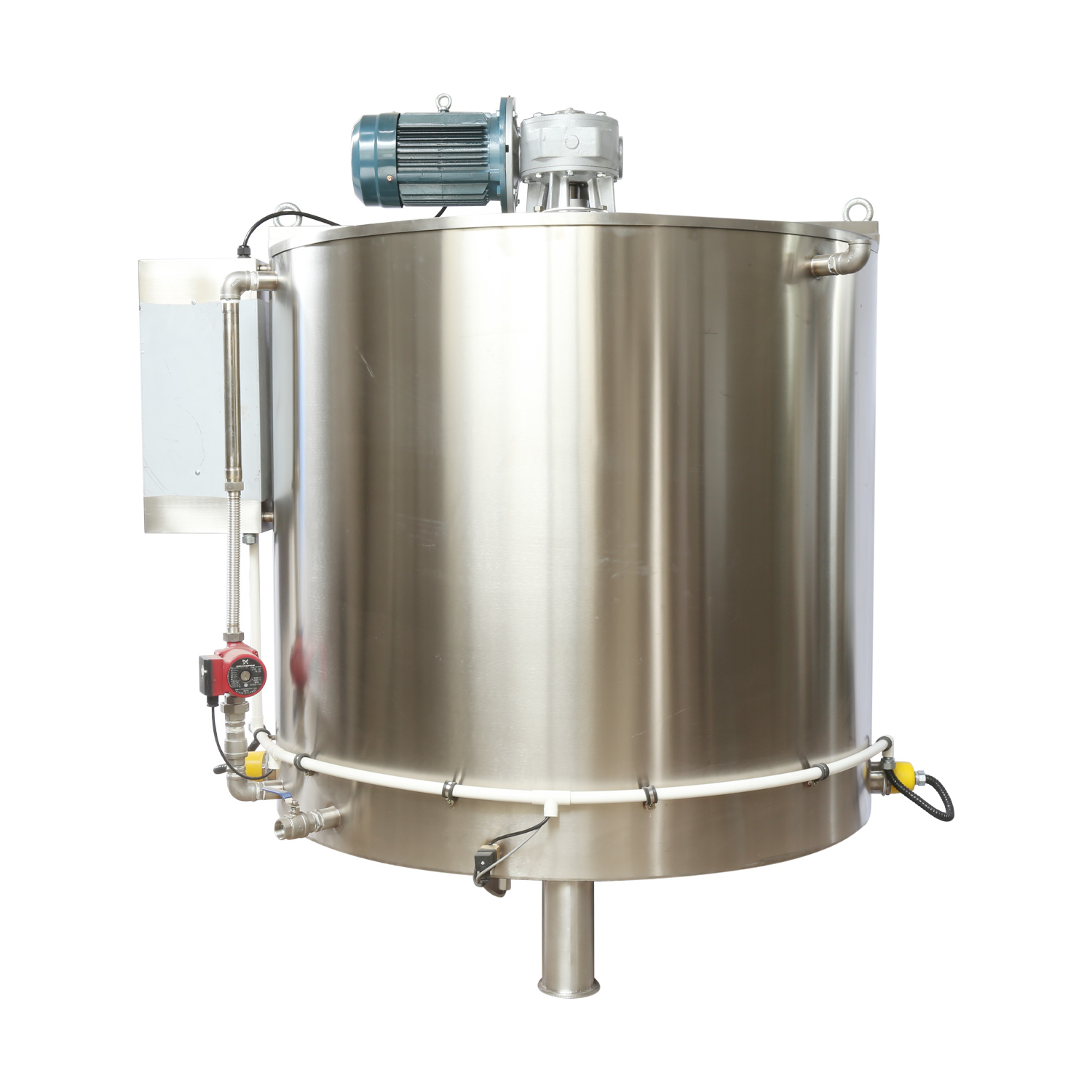
A tempering machine with automatic temperature control makes this process repeatable. Without it, tempering depends entirely on operator skill, which introduces batch-to-batch variation. For producers who need a constant supply of tempered couverture - whether for a moulding line, an enrober, or hand-dipping - an automatic tempering machine with a pre-crystallisation section is the safest choice.
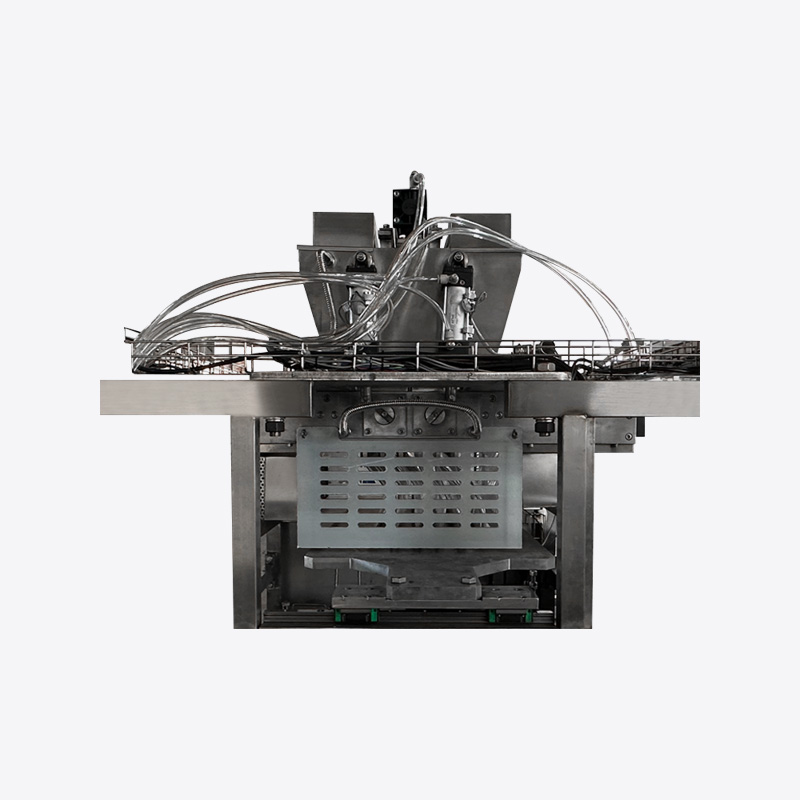
Automatic Chocolate Tempering Machine for Stable CrystallizationThis stainless steel tempering machine pre-crystallizes cocoa butter with precise temperature control, producing shiny, hard chocolate that demolds easily. Suitable for moulding, enrobing, or hand-dipping.View Product →
Coating and moulding
Once tempered, the couverture is ready to use. In enrobing, the chocolate is pumped through a curtain that covers the product as it moves on a belt. The coated product then passes through a cooling tunnel to set. The chocolate temperature must remain steady to keep the coating thin and even, so an enrober with a cooling tunnel is usually sold as one coordinated system. Belt speed, chocolate flow, and cooling temperature all have to match.
In moulding, tempered couverture is deposited into moulds. Air bubbles are removed by vibrating the moulds, and the chocolate is cooled under controlled conditions. The high cocoa butter content of couverture makes it easier to release from the mould and gives the finished piece a smooth, shiny surface.
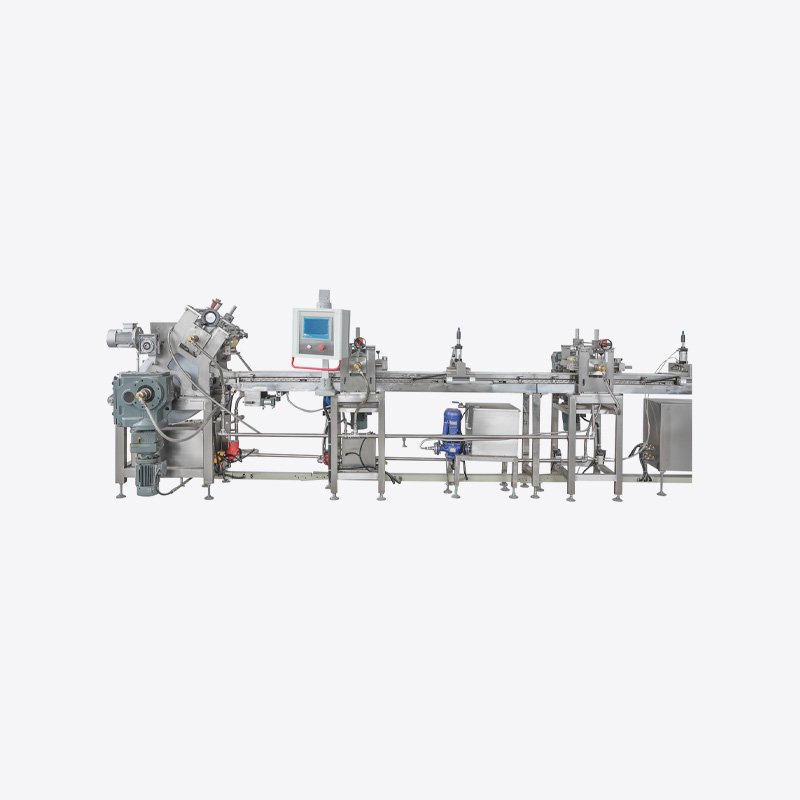
Automatic Enrober with Cooling Tunnel for Consistent CoatingThis enrober with integrated cooling tunnel applies full or bottom coating with adjustable air and belt speed, ensuring even coverage. Available in widths from 400mm to 1200mm for various production scales.View Product →Equipment factors that affect couverture quality
Couverture production is unforgiving when equipment cannot hold consistent conditions. Here are the factors that matter most when selecting machinery.
Particle size consistency
If the ball mill delivers inconsistent particle sizes, the mouthfeel will change from batch to batch. When switching from dark couverture to white couverture, residues must be cleaned thoroughly to avoid dark specks in a white product. Look for equipment with easy-access design and polished stainless steel surfaces.
Temperature control
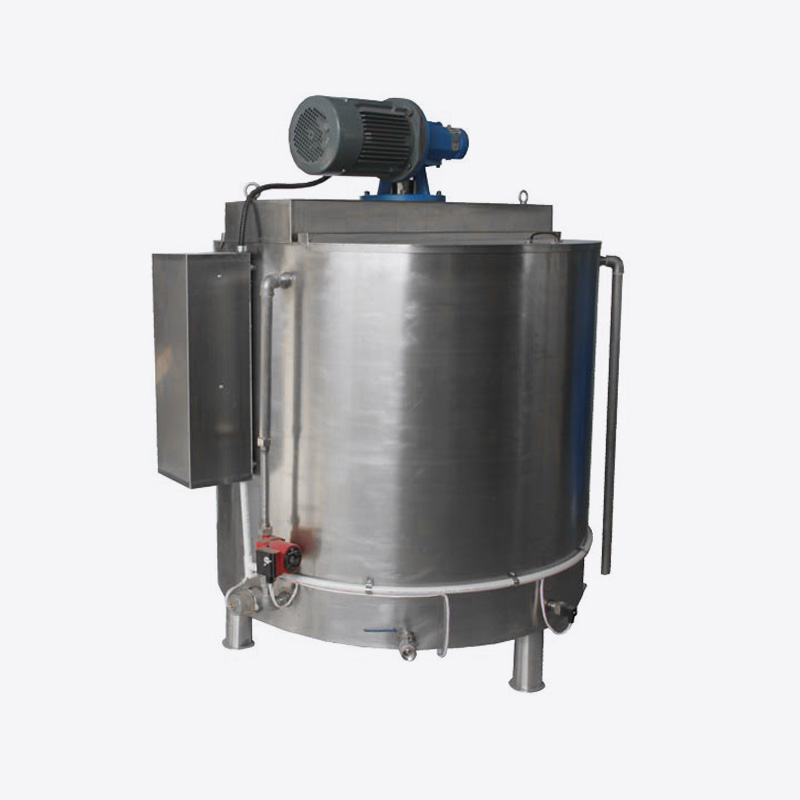
Across the entire process - melting, refining, conching, tempering, and coating - temperature control is the largest source of quality variation. Automated tempering machines, jacketed storage tanks, and temperature-controlled enrobers all reduce this risk. The most reliable systems display the temperature at each stage and let the operator set a target curve.
Hygiene and materials
Chocolate equipment should be made from food-grade stainless steel. Most manufacturers use SUS304. Stainless steel prevents metallic migration into the chocolate, resists corrosion from cleaning chemicals, and is easy to sanitise. Smooth seams and rounded corners also reduce the risk of chocolate collecting in dead zones.
Capacity and automation
A small chocolate workshop and a large confectionery plant have very different requirements. Choose equipment that matches your daily throughput rather than your future ambitions. Modular lines let you add capacity in stages. Fully automated systems with PLCs improve repeatability, but the investment is only justified when production volume is steady.
What to verify before buying couverture equipment
Before you commit to a couverture production line, ask the supplier the following questions.
- What is the minimum and maximum batch size for each machine?
- Can the ball mill process both dark and white couverture without cross-contamination?
- Does the tempering machine have precise control over the cooling and reheating stages?
- What is the length of the cooling tunnel, and does it match the enrober belt width?
- How long is the changeover time when switching recipes?
- What are the cleaning requirements, and how easily can the machine be disassembled?
When you build a complete line, compatibility between machines matters more than the performance of any single unit. If the ball mill discharges a paste at a certain viscosity, the conche must be able to handle it. If the enrober runs at a certain belt speed, the cooling tunnel must be long enough to set the product before it exits. Sourcing all machines from one supplier reduces these coordination risks.
Conclusion
Chocolat de couverture sits at the intersection of chemistry and process discipline. A high cocoa butter content gives you the working properties you need - fluidity, gloss, snap, and stability. But those properties only appear when every processing stage is under control: refining to the correct particle size, conching for flavour development, tempering to create stable cocoa butter crystals, and coating or moulding under steady temperature conditions.
The equipment you choose sets the ceiling on what your production can achieve. A well-selected ball mill, conche, tempering machine, and enrober will produce the same couverture quality every day. Understanding the standards and matching the equipment to your scale will protect you from the problems that affect countless chocolate productions: fat bloom, graininess, inconsistent viscosity, and poor shine. Whether you run a small artisan workshop or an industrial line, the principles for quality couverture are the same - and they start with equipment that can hold the process steady.