

 English
 Español

Content
- 1 How Chocolate Depositor Technology Shapes Modern Confectionery Production
- 2 A changing production environment
- 3 Where performance really shows
- 4 Why accuracy helps reduce waste
- 5 What small and mid-size factories usually need
- 6 Temperature control is not a side issue
- 7 When an upgrade starts to make sense
- 8 Choosing equipment with the full line in mind
- 9 A practical way to look at long-term value
How Chocolate Depositor Technology Shapes Modern Confectionery Production
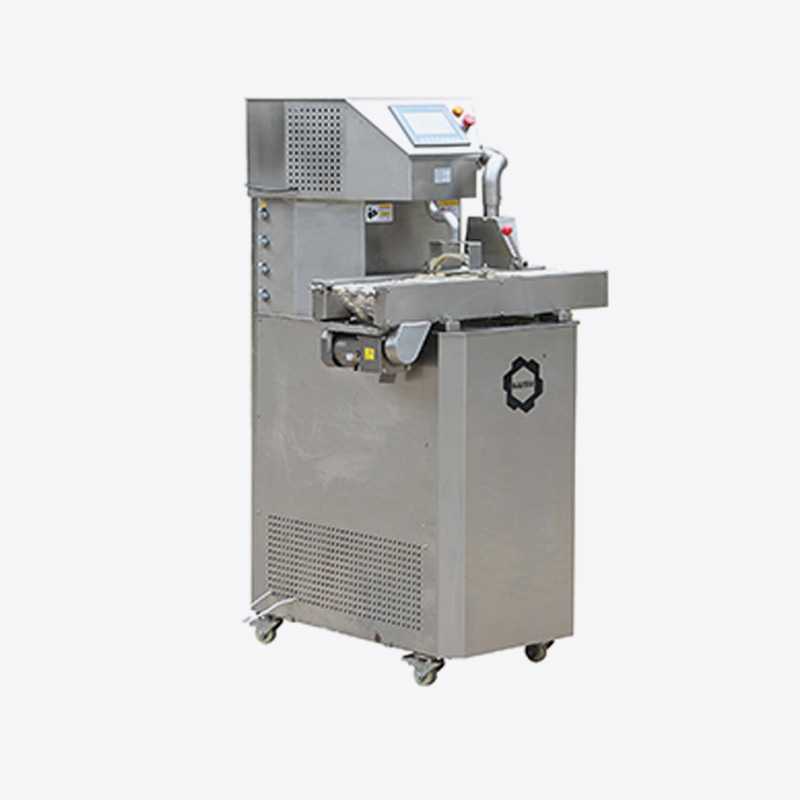
Chocolate production has a way of looking simple from the outside. Melt the chocolate, fill the mold, cool it down, and pack the finished pieces. In real production, though, each of those steps depends on careful control. A small change in flow, temperature, or timing can show up later in the final product. That is why the chocolate depositor matters so much. It sits at a point in the line where accuracy starts to affect everything that follows.
For many manufacturers, the depositor is not just another machine in the room. It is the part that decides whether the batch feels steady or whether operators spend the shift making corrections. When the depositing stage works well, molds fill evenly, product shape stays consistent, and the cooling section can do its job without extra trouble. When it works poorly, waste rises and the line becomes harder to manage.
That is one reason more confectionery producers are paying attention to this part of the process. They are not only looking for faster output. They are looking for a machine that fits the factory rhythm, supports clean operation, and holds up across repeated shifts. In today's chocolate market, those practical points often matter more than appearance or specification sheets.
A changing production environment
Chocolate making has moved far beyond the small-batch setting many people imagine. Some companies still work on a craft level, but many more now run structured production lines that have to meet daily volume targets. Customers still care about taste, of course, but they also notice whether pieces look uniform, whether packaging is neat, and whether products arrive in good condition.
That change has made depositing equipment more important. Manual filling can work in limited situations, but it becomes harder to manage when volume increases or when product design gets more detailed. A depositor helps by giving the factory a repeatable way to portion chocolate into molds or onto surfaces. That repeatability is useful not only for appearance, but also for planning. Once the line runs in a steady pattern, it becomes easier to estimate output and keep the rest of the process aligned.
This is also where the chocolatier's expectations and the factory's needs meet. Buyers often want attractive pieces with clean edges, sharp lines, or controlled fillings. Production teams, on the other hand, need equipment that will keep running without constant adjustment. The depositor has to satisfy both sides.
Where performance really shows
The real value of a chocolate depositor becomes clear when a line is running at full pace. It is easy to talk about accuracy in general terms, but the day-to-day details tell the story better. Chocolate that is too thick may move unevenly.
| Factor | Why it matters | What operators usually watch |
|---|---|---|
| Chocolate flow | Affects deposit consistency and cavity fill | Viscosity, temperature, smooth transfer |
| Nozzle condition | Influences accuracy and surface quality | Cleanliness, alignment, drip control |
| Room environment | Can change chocolate behavior during filling | Temperature, humidity, airflow |
| Line coordination | Keeps molds, depositing, and cooling in rhythm | Conveyor timing, spacing, transfer speed |
Why accuracy helps reduce waste
One of the main reasons factories invest in depositing systems is simple: less waste. When the machine dispenses chocolate in a controlled way, there is less overflow, less trimming, and less rework. That does not mean waste disappears entirely, but it does mean there is less material lost through avoidable mistakes.
Accuracy also helps with packaging. If the pieces are close in size and shape, wrapping and boxing go more smoothly. That can save time later in the line. Operators do not have to spend as much effort sorting or adjusting products that came out unevenly. Over time, this kind of consistency may also help the factory keep a steadier schedule.
The effect is not only technical. It changes how the team works. When the deposit stage is stable, there is less need for constant correction. Workers can pay more attention to inspection, cleaning, and the next stage of production instead of chasing small problems at the beginning of the line.
What small and mid-size factories usually need
Smaller factories often face a different set of challenges from large plants. Space is tighter, staffing is leaner, and the line may need to handle several product types without major changes. In that setting, the chocolate depositor has to be practical as well as accurate.
Many smaller producers prefer equipment that does not take over the whole floor. A compact setup can be easier to fit into an existing layout and less disruptive to install. But compact should not mean limited in a bad way. The equipment still has to work with tempering, molding, and cooling. If the machine is too rigid, it may create more problems than it solves.
Some factories also like systems that can grow with them. A line may begin with one product style and later add another. In that case, it helps when the depositor can support changes in mold format or filling pattern without requiring a complete rebuild. That kind of flexibility is often more useful than a larger capacity that the factory does not really need yet.
The right fit depends on the way the business operates. A small factory that produces a narrow range of items may value simplicity. A mid-size plant that expects variety may value adaptability. In both cases, the depositor should support the production plan instead of forcing the plan to change around it.
Temperature control is not a side issue
Chocolate is sensitive, and that makes temperature one of the most important parts of the whole setup. If the material is too cool, it may not flow smoothly. If it is too warm, it may lose the surface quality the factory wants. That means the machine has to hold the chocolate in a usable state while the line is running.
Good heating and insulation help keep that balance. Chocolate should stay fluid enough to deposit cleanly, but not so unstable that it begins to separate or behave unpredictably. If the material changes too much inside the hopper or the transfer path, the filling process becomes less reliable.
The surrounding room matters too. In a controlled production area, the depositor can work more steadily because the chocolate is not being pushed around by sudden environmental shifts. That is why equipment layout and room conditions are part of the discussion, not just the machine itself. When the line is arranged sensibly, the product tends to stay more consistent.
Cooling also has to match the pace of depositing. If the molds are filled well but the cooling section is out of step, the product may still lose shape or finish unevenly. The depositor and the cooling system work as a pair. One stage prepares the piece, the next one locks in the result.
When an upgrade starts to make sense
No machine lasts forever in perfect condition, and production needs do not stay the same. A factory may start with a fairly simple line and later find that the old setup no longer fits the job. That is often when the question of upgrading comes up.
One sign is repeated interruption. If the crew keeps stopping to clean, adjust, or correct filling problems, the depositor may no longer be supporting the workflow the way it should. Another sign is product variation. When the factory starts making more styles, layers, or filled pieces, older equipment may not give the level of control the new products need.
Hygiene can also be a reason to consider an update. Chocolate lines need easy cleaning, and older machines may be harder to keep in the condition the factory wants. If access is awkward or surfaces are difficult to service, the daily routine becomes more tiring than it should be.
Upgrading does not always mean replacing everything. Sometimes the better move is to add capability where the current line is weakest. A manufacturer may look at mold handling, deposit control, or cleaning access and decide that a more modern unit in one part of the line would improve the whole process.
Choosing equipment with the full line in mind
A depositor should not be judged in isolation. It has to fit into the rest of the chocolate line. That means the mixing stage needs to deliver chocolate in a form the depositor can handle. The molds need to move at the right speed. The cooling section needs to accept the filled pieces without delay. If any part of that chain is off, the depositor may look like the problem when the real issue is coordination.
That is why buyers usually do better when they think through the line as a whole. What products are being made? How often will recipes change? How much space is available? Who will operate the machine each day? Those questions help define the right setup more clearly than a simple capacity target.
Technical support matters as well. A machine is easier to live with when the manufacturer can help with installation, basic training, and later maintenance. For many factories, that support is part of the value. It gives the team more confidence when the line goes live and reduces the chance of avoidable mistakes during the early stage.
A practical way to look at long-term value
It is tempting to focus on price first, but chocolate production usually rewards a wider view. A machine that deposits more evenly may save material. A machine that is easier to clean may save labor. A machine that fits the layout better may reduce disruption during installation and daily use. Those are the kinds of savings that matter over time.
The same is true of consistency. A batch that comes out looking more uniform is easier to handle in packaging and easier to present to the market. That does not happen by accident. It comes from a line that is set up with care and equipment that matches the product rather than fighting it.
A chocolate depositor is not the whole story, but it is one of the parts that gives the line its shape. When it works properly, the rest of the process feels more controlled. When it does not, the problems spread quickly. That is why factories keep giving this stage so much attention.
Chocolate depositor technology continues to shape how modern confectionery lines operate. It affects accuracy, waste control, product appearance, temperature stability, and the ease of running a busy factory day after day. The more consistent the depositing stage is, the easier it becomes to keep the rest of production on track.
For small and mid-size factories, the decision often comes down to fit. The machine needs to match the available space, the product range, and the team that will use it. For growing producers, flexibility becomes more important. For any factory, temperature control and line coordination remain central.
A good depositor does not draw attention to itself. It simply helps the line run the way it should. In a production setting, that quiet reliability is often what makes the biggest difference.