

 English
 Español

Content
Understanding the Role of a Chocolate Coating Machine
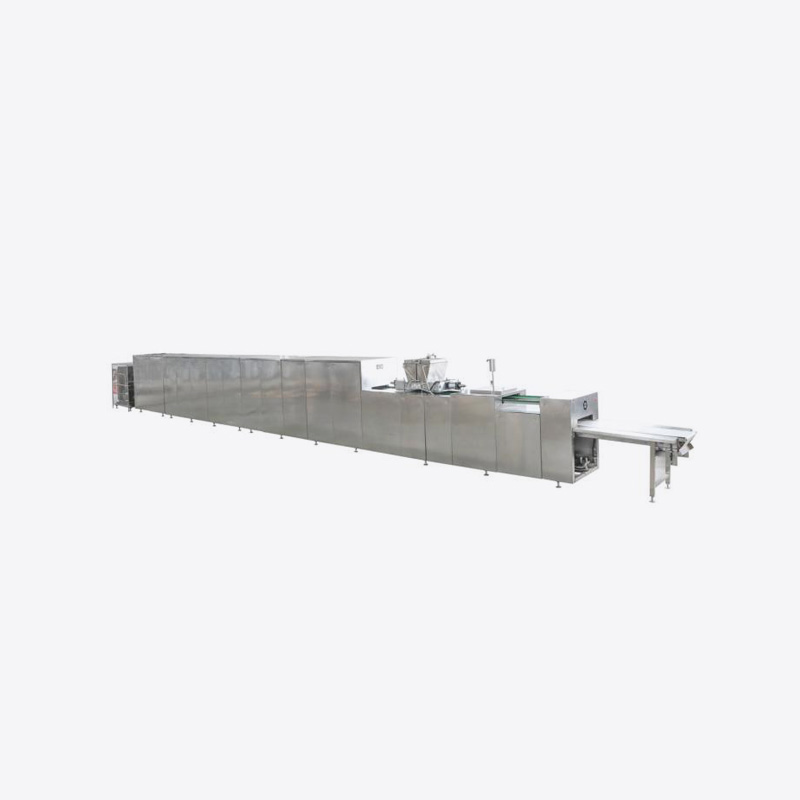
A chocolate coating machine is designed to apply a uniform layer of chocolate over various food products in a controlled, efficient, and repeatable way. Unlike manual coating, machines ensure consistent thickness, smooth surfaces, and stable adhesion, which are critical for both product appearance and shelf life. These machines are widely used in bakeries, confectionery factories, snack plants, and even specialty food workshops.
The types of foods that can be coated depend on factors such as product shape, moisture content, fragility, temperature sensitivity, and production scale. Understanding these categories helps manufacturers select suitable applications and optimize coating results.
Bakery Products Suitable for Chocolate Coating
Bakery items are among the most common foods processed with a chocolate coating machine. Their relatively stable structure and dry surface make them ideal for smooth chocolate adhesion.
Biscuits, Cookies, and Crackers
Biscuits and cookies are frequently coated on one side or fully enrobed with chocolate. A chocolate coating machine allows precise control over coverage, ensuring the base remains crisp while the chocolate layer sets evenly. Crackers can also be partially coated to create sweet-and-savory snack products.
Cakes, Brownies, and Pastries
Small cakes, brownies, and filled pastries can be coated using gentle conveyor systems that minimize deformation. Machines designed for bakery use often include adjustable curtain flow to accommodate different product heights and softness.
- Single-side or full chocolate coverage
- Stable coating without soaking the base
- Suitable for mass bakery production
Confectionery and Candy Products
Confectionery applications represent the core use of a chocolate coating machine. These products often require precise coating thickness, smooth gloss, and compatibility with cooling tunnels.
Hard and Soft Candies
Hard candies, caramels, and chewy sweets can be coated to add flavor contrast and protect the inner core. Machines allow even coating without sticking, which is difficult to achieve manually at scale.
Nougat, Marshmallow, and Toffee
Soft-centered confections benefit from controlled chocolate flow and cooling. A chocolate coating machine ensures the coating sets quickly, maintaining shape and preventing deformation during handling.
| Confectionery Type | Coating Advantage |
| Hard Candy | Smooth shell and protection |
| Marshmallow | Shape retention and gloss |
Nuts, Seeds, and Dried Fruits
Nuts, seeds, and dried fruits are well-suited for chocolate coating due to their small size and firm texture. A chocolate coating machine can process these items either through enrobing or panning systems, depending on the desired finish.
Almonds, Peanuts, and Hazelnuts
Chocolate-coated nuts are popular snack and confectionery items. Machines ensure even coverage and reduce chocolate waste while maintaining consistent portion control.
Raisins, Cranberries, and Dates
Dried fruits can be coated successfully when moisture levels are properly managed. Chocolate coating machines help seal the surface, improving shelf life and enhancing flavor contrast.
- Uniform coating on small items
- Reduced clumping during processing
- High suitability for bulk production
Frozen and Fresh Fruit Applications
Fresh and frozen fruits present more technical challenges, but specialized chocolate coating machines can handle them effectively. Temperature control and rapid cooling are essential for success.
Strawberries, Bananas, and Cherries
Chocolate-coated strawberries and bananas are popular premium products. Machines designed for fruit coating apply chocolate quickly to minimize moisture transfer and preserve fruit texture.
Frozen Fruit Pieces
Frozen fruits benefit from chocolate coating as a protective layer. The machine must maintain stable chocolate temperature to prevent cracking or uneven setting.
Snack Foods and Innovative Products
Beyond traditional sweets, chocolate coating machines are increasingly used for innovative snack products. This flexibility allows manufacturers to develop unique offerings for niche markets.
Chips, Pretzels, and Popcorn
Savory snacks like pretzels and popcorn can be partially or fully coated with chocolate to create contrast products. Machines help control coating thickness to avoid overpowering the base flavor.
Protein Bars and Functional Snacks
Protein bars and nutrition snacks often use chocolate coatings for taste improvement and surface protection. A chocolate coating machine ensures compatibility with high-protein or low-sugar formulations.
Key Factors That Determine Coating Suitability
Not all foods behave the same during coating. Successful use of a chocolate coating machine depends on product size, shape, moisture content, and temperature resistance. Foods with stable surfaces and manageable moisture levels generally produce the best results.
By matching food characteristics with the appropriate machine configuration, manufacturers can expand product lines while maintaining consistent quality and efficiency.