

 English
 Español

A production supervisor at a mid-sized chocolate plant gets a call late one night because the batch scheduled for molding the next morning still feels grainy under a technician's fingers, even though every ingredient on the recipe sheet was measured correctly. Nobody skipped a step. The refining stage had done its job, mixing had gone fine, but the chocolate never spent enough time in the conche before someone tried rushing it downstream. By morning the whole schedule shifts by several hours while the batch gets reworked. That single missed stage rippled through the entire line.
Content
- 1 Why Conching Matters Within the Whole Production Line
- 2 How Conching Connects to the Stages Around It
- 3 What Shifts When a Line Handles Different Chocolate Products
- 4 How Conching Supports Consistency Across Repeat Production
- 5 Why Equipment Integration Deserves Real Attention
- 6 How Conching Shapes What Happens Downstream
- 7 What to Weigh When Planning Conching for Changing Orders
- 8 How Modern Planning Approaches Conching Equipment
Why Conching Matters Within the Whole Production Line
Chocolate moves through several connected stages before it becomes a finished product, and the boundaries between those stages aren't nearly as separate as they might look on a factory diagram. Changes happening during conching carry forward and shape the condition of the chocolate mass right as it moves into the next operation, which is exactly why this stage matters to the whole sequence rather than just its own small corner of the process.
| Production Stage | Main Role |
|---|---|
| Ingredient preparation | Organizes the required materials |
| Mixing | Brings ingredients together |
| Refining | Develops a smoother chocolate mass |
| Conching | Further develops the processed chocolate |
| Holding | Keeps the chocolate ready for the next stage |
| Forming | Creates the intended product shape |
| Packaging | Prepares finished products for distribution |
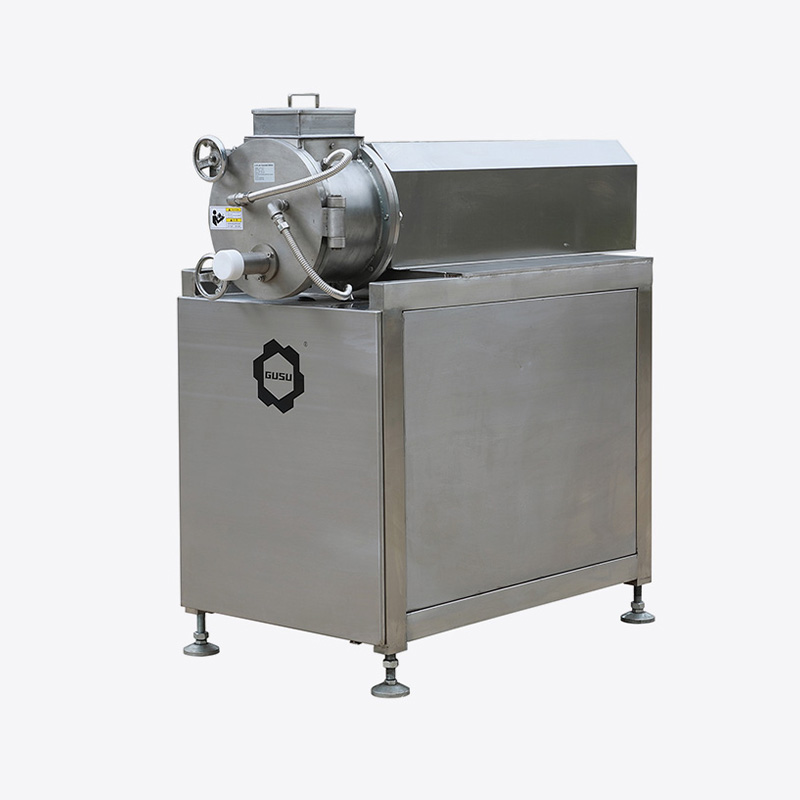
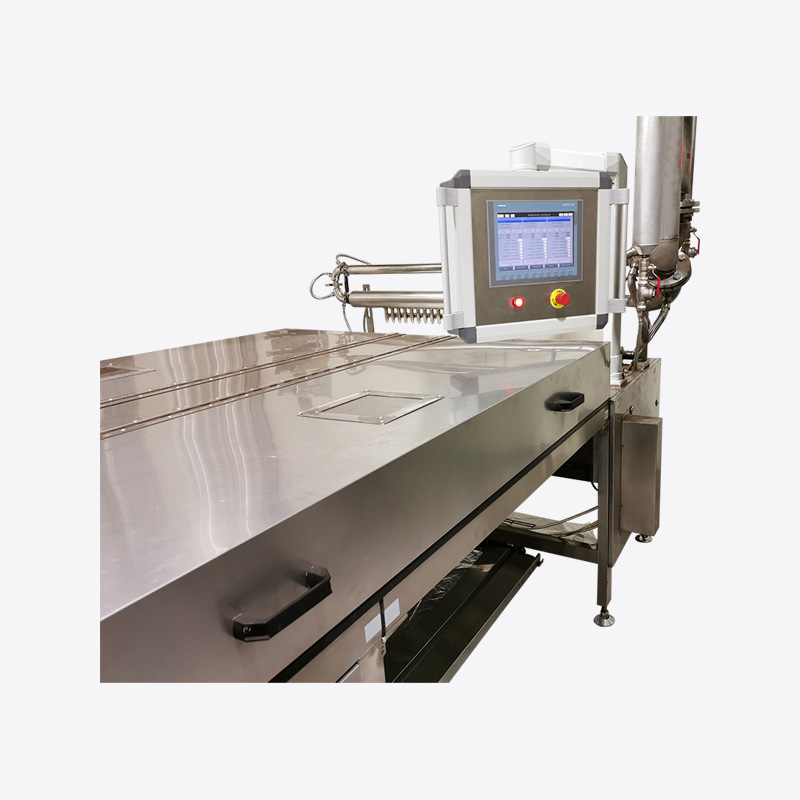
The exact arrangement shifts depending on the product and the specific production line running it. A Chocolate Conching Machine sits within this sequence as a stage that readies the chocolate for whatever handling comes next, and its real importance comes from that connection with surrounding operations rather than from anything it does purely on its own. If chocolate leaves conching in a condition that isn't right for the next stage, everything downstream tends to get harder to manage — which is exactly why manufacturers need to think about conching as part of the complete production flow, not as an isolated box on a flowchart.
How Conching Connects to the Stages Around It
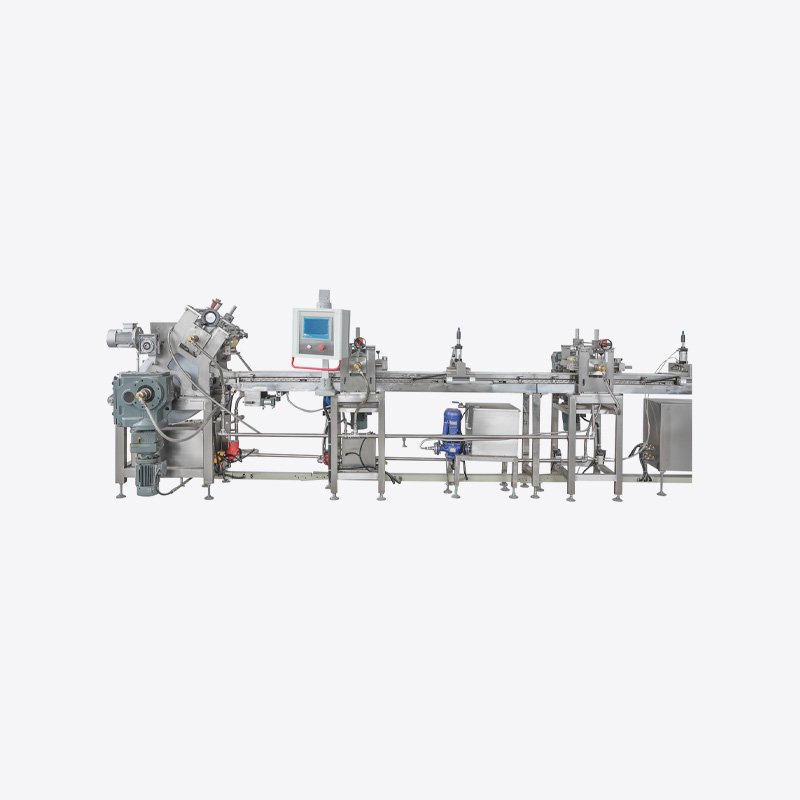
Modern chocolate production rarely runs around one machine working in isolation. The process depends on several stages moving through a planned sequence together. Ingredient preparation provides the materials, mixing brings them together, refining changes the character of the mass, and conching continues developing the chocolate before it moves forward into whatever comes next.
The relationship between these stages shapes how the whole production gets organized day to day. Chocolate entering a conching stage might come from different preparation setups depending on what's actually being made that day. Chocolate leaving conching then moves toward holding, forming, or some other part of the line — and a Chocolate Conche Machine needs consideration as part of that whole route, not as a standalone piece of equipment sitting off to the side.
| Upstream Activity | Relationship With Conching |
|---|---|
| Ingredient preparation | Provides materials for processing |
| Mixing | Creates the combined chocolate mass |
| Refining | Prepares the mass for further treatment |
| Conching | Develops the processed chocolate |
| Holding | Keeps chocolate available for later stages |
| Forming | Uses the prepared chocolate for product production |
This connected way of thinking helps manufacturers plan more clearly, and it makes equipment coordination genuinely more important once several product types start sharing the same line. A change made in one stage often requires adjustments somewhere else down the chain. Conching, seen this way, becomes part of the production chain rather than a task that happens quietly by itself.
What Shifts When a Line Handles Different Chocolate Products
Not every chocolate product follows the exact same route through a factory. Different recipes and applications create genuinely different requirements for processing and handling along the way. Chocolate headed toward molded products often follows a different downstream path than chocolate destined for fillings, coatings, or other uses entirely.
A factory frequently needs to switch between different product orders too, and those switches affect ingredient preparation, cleaning routines, scheduling, and how chocolate physically moves between stages. A Chocolate Conching Refining Machine fits into this broader picture when manufacturers need conching and related processing steps to actually work together smoothly rather than fighting each other.
| Production Situation | Conching-Related Consideration |
|---|---|
| One main chocolate product | Consistent production arrangement |
| Several chocolate recipes | Flexible production planning |
| Different product formats | Coordination with downstream stages |
| Changing customer orders | Scheduling between production runs |
| Shared equipment | Cleaning and changeover planning |
This kind of application-focused thinking lets manufacturers consider conching in relation to what comes before and after it, rather than judging the machine on its own. The equipment doesn't determine the entire process by itself — its value within the line depends heavily on how well that particular stage fits the products actually running through the factory that week.
How Conching Supports Consistency Across Repeat Production
Consistency matters a great deal when chocolate gets produced over and over on the same line. Manufacturers need the chocolate moving through each stage to remain suitable for whatever comes next, and variations in condition make later handling considerably less predictable to manage.
Conching offers another controlled point within the sequence where the operator or production team can manage the process according to the chocolate being made and the needs of the surrounding equipment. This turns conching into a genuine part of production control, not just a processing step that happens somewhere in the middle.
| Production Concern | Relationship to Conching |
|---|---|
| Repeat production | Supports a consistent processing sequence |
| Recipe changes | May require production adjustments |
| Downstream forming | Chocolate needs to suit the next stage |
| Production scheduling | Conching becomes part of line timing |
| Material handling | Chocolate must move between stages smoothly |
The goal here isn't simply keeping one machine running nonstop for its own sake. The wider concern is keeping the whole production sequence organized and predictable. When each stage carries a clear role, operators have an easier time spotting exactly where adjustments are needed once product requirements shift.
Why Equipment Integration Deserves Real Attention
Equipment integration becomes more noticeable the more connected a production line gets. A chocolate manufacturer might have mixing, refining, conching, holding, forming, and packaging equipment all operating together as one arrangement, and the connections between these machines shape how materials actually move through the facility day to day.
A Chocolate Conching Machine needs to fit the surrounding process rather than getting evaluated purely on its own individual functions. Material transfer is one part of that relationship. Production scheduling is another. Cleaning routines and product changeovers influence how the whole line gets arranged too.
When one chocolate recipe replaces another, for instance, the production team usually needs to plan the transition between stages carefully rather than just stopping one machine and starting the next as if nothing else were connected. A coordinated layout makes these transitions genuinely easier to manage, and it helps manufacturers spot where holding areas, transfer points, or extra processing stages might actually be needed. The result is a system where conching has a defined place within the movement of chocolate from raw ingredients all the way to finished product.
How Conching Shapes What Happens Downstream
Chocolate rarely moves directly from conching straight into the finished package. It usually continues on through holding, forming, coating, depositing, molding, or some other stage first, which means the condition of the chocolate leaving conching matters a great deal to whatever process is waiting for it next.
A manufacturer needs to think through how the conched material will actually get handled by downstream equipment. For molded products, chocolate needs to move into forming in a suitable condition. For coated products, it continues toward equipment designed to apply chocolate around something else entirely. For other applications, chocolate might need to sit available for a controlled transfer into a completely separate production stage.
| Downstream Application | Production Relationship |
|---|---|
| Molded chocolate | Conched chocolate moves toward forming |
| Coated products | Chocolate continues toward coating |
| Filled products | Chocolate may enter another preparation stage |
| Chocolate ingredients | Processed chocolate may be transferred for further use |
| Mixed product lines | Production planning determines the next route |
This connection matters a lot when manufacturers are developing or modifying a production line. Instead of asking only what the conching equipment does on its own, they can ask what the chocolate actually needs to become before it reaches the next stage waiting for it. That question ties equipment selection directly to the real manufacturing process rather than treating it as a separate decision.
What to Weigh When Planning Conching for Changing Orders
Order patterns shape production planning more than people sometimes expect. A factory producing one type of chocolate on a steady, regular basis organizes its line differently than a manufacturer juggling several recipes and product formats at once. Changing orders demand closer attention to scheduling and how material actually moves through the facility.
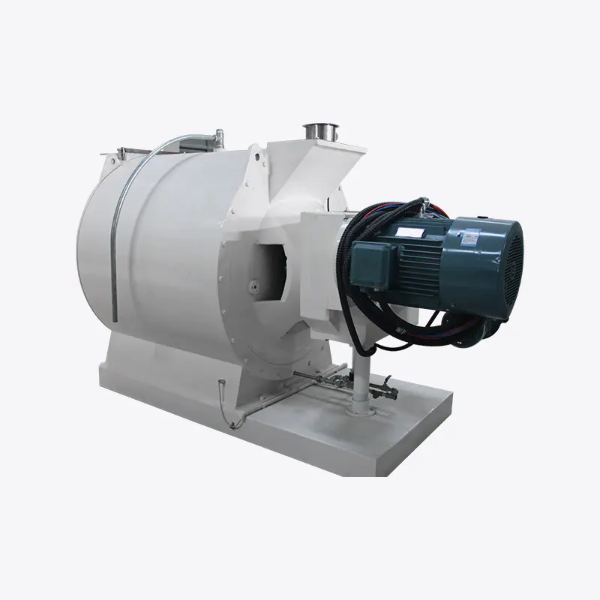
The conching stage needs to flex with these changes. A Chocolate Conching Refining Machine often becomes part of a line where manufacturers need refining and conching coordinated with shifting production requirements. A production team typically needs to think through:
- Product sequence — different chocolate products may call for different processing arrangements
- Material preparation — ingredients need to be ready by the time the sequence reaches the relevant stage
- Equipment coordination — upstream and downstream machines need to actually connect with conching smoothly
- Cleaning requirements — switching between products often calls for proper cleaning and preparation
- Storage and transfer — processed chocolate needs a practical route toward its next stage
These considerations grow more important once a line starts handling frequent order changes. A flexible arrangement lets manufacturers respond to shifting product requirements without treating every single order like a completely separate process built from scratch. Conching, approached this way, becomes part of production scheduling rather than just a fixed machine operation running the same way every time.
How Modern Planning Approaches Conching Equipment
Modern chocolate manufacturing pays much closer attention to how individual processes actually fit together. A machine can perform its intended task perfectly well, but its practical value still depends heavily on how it connects with the rest of the line around it. This matters especially for conching, since chocolate has to enter from an earlier stage and continue on toward another stage right afterward.
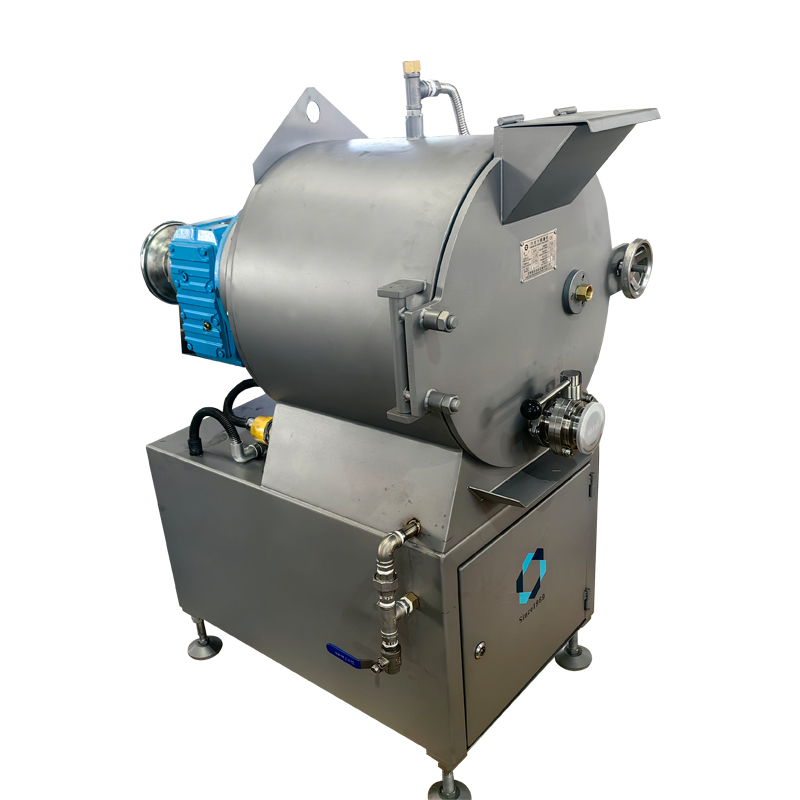
A Chocolate Conche Machine, Chocolate Conching Machine, or Chocolate Conching Refining Machine gets evaluated according to the specific production environment it'll actually operate within. Manufacturers need to think through the chocolate products they make, the order patterns they typically handle, the equipment already installed on their floor, and how materials move through the facility as a whole.
| Planning Area | Question to Consider |
|---|---|
| Product range | What types of chocolate will be processed? |
| Production flow | Where does conching fit in the line? |
| Equipment | How does the machine connect with other stages? |
| Orders | How often does the production sequence change? |
| Downstream use | Where does the chocolate go after conching? |
| Facility layout | How will chocolate move between stages? |
This way of planning keeps the focus squarely on the production process rather than fixating on one machine in isolation. It also gives manufacturers a clearer footing when discussing equipment requirements with suppliers, since the conversation centers on the whole workflow rather than a single piece of hardware.
As chocolate production lines keep handling shifting products and increasingly coordinated processing stages, conching stays tied to the practical, physical movement of chocolate through the factory floor. The role this stage plays ultimately comes down to its relationship with ingredient preparation, refining, production scheduling, downstream applications, and the changing demands that come with running a modern chocolate manufacturing operation day after day.