

 English
 Español

Food manufacturers often need to produce several products within the same facility, and each product may call for a different way of adding chocolate pieces or granules. Cookies, cereal bars, energy bars, and other baked goods can bring chocolate into the mix at completely different stages of production.
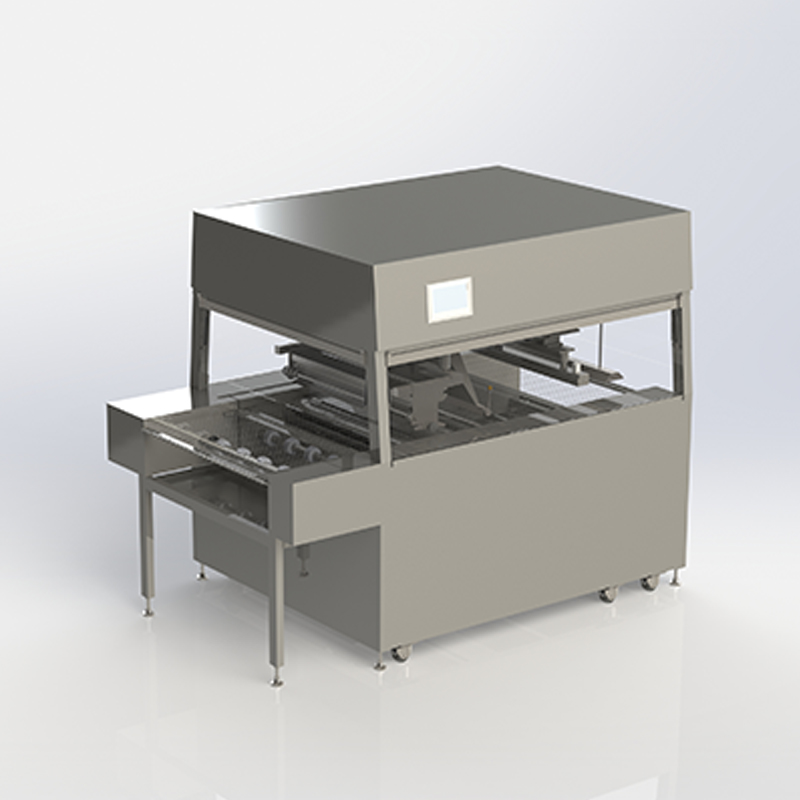
A Chocolate Chip Depositor Machine can help organize this part of the process by placing chocolate chips or similar ingredients into the product stream at a planned point along the line. Its value becomes a lot more noticeable once one production environment handles several product categories at once, rather than just one recipe running on repeat.
Instead of treating chocolate addition as an isolated step bolted onto the line, manufacturers can think through how the depositor connects with mixing, forming, baking, cooling, and packaging equipment around it. This approach can make production planning a lot more flexible whenever product recipes or formats shift.
For manufacturers operating a Granola Bar Production Line, Cereal Bar Line, or Protein Bar Extrusion Line, the chocolate addition stage can also become part of a wider production arrangement rather than a bolted-on afterthought.
Content
- 1 Why Does Chocolate Addition Matter in Multi-Product Production?
- 2 How Can a Chocolate Chip Depositor Machine Work With Different Product Lines?
- 3 Can the Same Chocolate Addition Approach Work for Cookies and Bars?
- 4 How Does Chocolate Addition Fit a Granola Bar Production Line?
- 5 How Can a Cereal Bar Line Handle Different Chocolate Additions?
- 6 What Role Can Chocolate Depositors Play in Protein Bar Production?
- 7 How Can a Chocolate Depositor Connect With Existing Equipment?
- 8 How Can Chocolate Preparation Connect With Multi-Product Manufacturing?
- 9 What Should Manufacturers Consider When Switching Between Products?
Why Does Chocolate Addition Matter in Multi-Product Production?
Chocolate shows up in plenty of food products, but the way it actually gets added can vary quite a bit from one recipe to the next. A cookie may need chocolate chips distributed through dough before baking, while a cereal bar may require chocolate pieces incorporated into a mixture before forming even starts.
Another product may use chocolate granules as a visible topping, rather than an ingredient folded throughout the whole product. These differences affect exactly where the chocolate addition step should sit along the line.
| Product Type | Possible Chocolate Addition |
|---|---|
| Cookies | Chocolate chips within the dough |
| Cereal bars | Chocolate pieces within the mixture |
| Granola bars | Chips or granules combined with ingredients |
| Energy bars | Chocolate pieces incorporated into the product |
| Baked goods | Chocolate pieces added before baking |
| Finished products | Chocolate used as a surface addition |
A flexible production arrangement lets manufacturers account for these differences without treating every product as if it followed the exact same process. The depositor can become one connection point between ingredient preparation and the next production stage down the line. This proves particularly useful once a facility needs to shift between products with genuinely different recipes. The equipment arrangement should support the intended food flow, rather than forcing unrelated products through one identical process regardless of fit.
How Can a Chocolate Chip Depositor Machine Work With Different Product Lines?
A Chocolate Chip Depositor Machine can get positioned within a production line according to exactly where chocolate pieces need to enter the product. The precise position depends on the product itself and the result the manufacturer wants to achieve.
For cookies, the chocolate may need to become part of the dough before it ever reaches forming equipment. For cereal and granola bars, chocolate pieces may get introduced into a prepared mixture before the material moves toward shaping. A protein bar may follow a different route entirely, since the product structure and forming process can vary quite a bit from a soft cookie dough.
This means integration isn't simply about placing one machine beside another and calling it done. The surrounding equipment needs to work together as a connected sequence, start to finish.
| Production Line | Possible Integration Point |
|---|---|
| Cookie line | Before dough forming or baking |
| Granola Bar Production Line | During mixture preparation or before forming |
| Cereal Bar Line | Before the product is shaped |
| Protein Bar Extrusion Line | Around the ingredient or forming stage |
| Baked goods line | Before the relevant baking stage |
The depositor therefore needs to fit the movement of the product through the line, rather than sit apart from it. A suitable arrangement can help avoid unnecessary handling between chocolate addition and the next processing step on the floor. This can also make the production area a lot easier to organize once several product types get manufactured in the same facility side by side.
Can the Same Chocolate Addition Approach Work for Cookies and Bars?
Cookies and bars both use chocolate pieces, but their product structures are genuinely different once you look closer. Cookie dough may need chocolate chips distributed throughout a relatively soft mixture before individual portions get formed and sent to the oven.
A cereal or granola bar may contain a mixture of grains, binders, dried ingredients, and other components that behave quite differently during production. The chocolate addition stage therefore needs to match the physical condition of the product at that particular point in the line.
A Choco Chips Making Machine may get involved earlier when a manufacturer produces its own chocolate pieces in-house, while the depositor handles the movement and placement of those pieces into another food mixture downstream. This creates a useful connection between ingredient preparation and finished food production.
For example, a production arrangement could include the following stages.
- Chocolate piece preparation.
- Ingredient preparation.
- Chocolate chip addition.
- Product forming.
- Baking or setting.
- Cooling.
- Packaging.
Not every product needs every single stage listed here. The purpose of this arrangement is showing how chocolate addition can become part of a broader process, rather than remaining a separate operation off on its own. When switching between cookies and bars on the same line, manufacturers can then consider which stages stay common and which stages actually need to change.
How Does Chocolate Addition Fit a Granola Bar Production Line?
A Granola Bar Production Line may handle a mixture containing grains, nuts, dried fruit, sweeteners, or other ingredients all combined together. Chocolate chips can become just another ingredient within this mixture, rather than a separate finishing touch.
Their addition needs to happen at a suitable point, so the chocolate stays properly distributed without interfering with the forming process that follows. The depositor can therefore serve as a link between ingredient preparation and bar formation on the line.
The surrounding line may include mixing equipment before the depositor and shaping equipment right after it. The exact arrangement depends on the product recipe and how the manufacturer wants the chocolate pieces positioned within the final bar.
| Stage | Main Production Activity |
|---|---|
| Ingredient preparation | Preparing the bar mixture |
| Mixing | Combining the main ingredients |
| Chocolate addition | Introducing chocolate pieces |
| Forming | Giving the mixture its bar shape |
| Cutting | Creating individual portions |
| Cooling | Allowing the product to settle |
| Packaging | Preparing products for distribution |
This type of arrangement can support product changes because chocolate addition remains a recognizable stage within the wider production flow, no matter which recipe runs that day. A manufacturer can adjust the surrounding process according to the recipe, instead of redesigning the entire production concept for every single product. The depositor can also help create a clearer separation between ingredient preparation and product shaping on the line. That separation can make production planning a lot easier once several bar recipes get handled in the same facility over the course of a week.
How Can a Cereal Bar Line Handle Different Chocolate Additions?
A Cereal Bar Line may produce products with genuinely different ingredient combinations and textures from one run to the next. One cereal bar may contain small chocolate chips, while another may use larger chocolate pieces or a different distribution pattern entirely.
These differences can affect how the chocolate actually gets introduced into the mixture. The depositor needs to work with the condition of the product right at the addition stage, not some idealized version of it.
If the mixture is already dense, the chocolate addition process may need arranging differently from how it would work with a softer mixture. The surrounding equipment also shapes the result quite a bit. Mixing, conveying, forming, cutting, and cooling all interact with the chocolate addition stage in one way or another.
A production line that lets these stages get considered together can make product changes a lot easier to organize on short notice. Manufacturers may also need to think through cleaning and product changeover when moving between recipes on the same equipment. Chocolate residue can become genuinely undesirable when the next product on the schedule doesn't contain chocolate at all. For this reason, accessible product-contact areas and practical cleaning routines can matter quite a bit when integrating a depositor into a cereal bar production environment.
What Role Can Chocolate Depositors Play in Protein Bar Production?
Protein bars can have a genuinely different structure from conventional cereal or granola products sitting on the same shelf. The mixture may run denser and may move through the forming stage in a completely different way.
A Protein Bar Extrusion Line can therefore require a different relationship between ingredient addition and product shaping than a standard bar line would. Chocolate chips may get added before forming, incorporated during mixture preparation, or used at another stage entirely, depending on the product concept the team is chasing.
The important issue is that the chocolate addition step should match the movement of the bar mixture through the line. A depositor can become part of this arrangement once its placement and operation fit the surrounding production stages properly.
| Protein Bar Stage | Possible Chocolate-Related Role |
|---|---|
| Ingredient preparation | Preparing chocolate pieces for use |
| Mixing | Combining ingredients |
| Chocolate addition | Introducing chips or granules |
| Extrusion | Forming the bar material |
| Cutting | Dividing the formed product |
| Cooling | Allowing the product to stabilize |
| Packaging | Preparing individual bars |
This relationship can help manufacturers think about chocolate as part of the product flow, rather than an isolated ingredient tossed in at some arbitrary point. It also highlights why a depositor should get considered alongside the rest of the production line, not evaluated on its own. A machine that works well as a standalone unit still needs to fit the movement and timing of the surrounding equipment around it.
How Can a Chocolate Depositor Connect With Existing Equipment?
Many food factories don't build every production line from scratch when a new product comes along. Existing mixers, conveyors, forming machines, ovens, coolers, and packaging equipment may already sit in place across the floor.
Adding a Chocolate Chip Depositor Machine therefore requires close attention to the existing process already running. The key question is where chocolate needs to enter the product without creating unnecessary transfers between machines.
If the chocolate gets added too early, it may experience more mixing or handling than the recipe actually intended. If it gets added too late, the product may have already passed the stage where the pieces can get incorporated naturally. The depositor's location should therefore reflect the product's actual movement through the line, not a convenient gap in the floor layout.
A practical integration plan can examine several points worth walking through.
- Where the main mixture is prepared.
- Where chocolate pieces are introduced.
- How the product moves afterward.
- Which machines require direct connection.
- Where cleaning access is needed.
- How operators move around the equipment.
- How product changes will be handled.
This approach proves useful once one factory produces several food categories under the same roof. The same production area may support different line arrangements without requiring every machine to carry one fixed role for its entire service life. The focus becomes the connection between stages, rather than any single machine on its own.
How Can Chocolate Preparation Connect With Multi-Product Manufacturing?
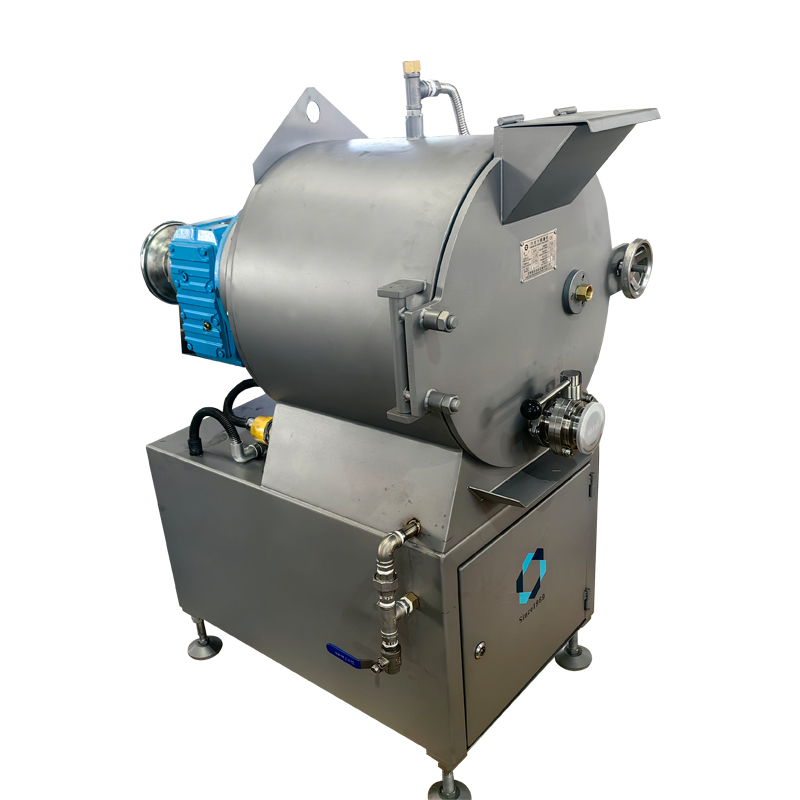
Chocolate pieces themselves can come from different preparation methods depending on how a facility is set up. A Choco Chips Making Machine can form chocolate into pieces intended for later use in cookies, bars, and other foods down the line.
A Ball Mill for Chocolate Making may get involved in chocolate preparation before the chocolate ever gets shaped into a usable ingredient. These machines belong to different parts of the overall production process, doing different jobs entirely.
The ball mill ties to chocolate preparation, while chip-making equipment focuses on creating the actual chocolate pieces themselves. The depositor then provides a connection between prepared chocolate pieces and the food product waiting downstream. This creates a broader production chain worth mapping out:
Chocolate preparation → Chocolate piece production → Depositing → Product forming → Baking or setting → Packaging
The chain can adapt to different food products without much trouble. For cookies, the chocolate may enter the dough before forming starts. For cereal bars, the chips may enter the prepared mixture before shaping begins. For protein bars, the addition point may need to line up with the forming process specifically. This separation gives manufacturers a lot more freedom to organize chocolate preparation independently from the final food line itself. It can also make it easier to treat chocolate ingredients as a shared resource across several product categories running through the same plant.
What Should Manufacturers Consider When Switching Between Products?
Multi-product production creates real changeover challenges, since the same equipment may end up serving different recipes throughout the week. A chocolate depositor can be part of this transition, but its role should get considered alongside the rest of the production line, not treated in isolation.
Different products may call for different chocolate piece sizes, distribution patterns, or addition stages entirely. Cleaning can also become a genuinely important part of the changeover process between runs. Manufacturers may need to clear remaining chocolate before introducing a product with a different recipe on the same line. The layout can influence how easily operators actually reach the relevant areas when the clock is ticking on a changeover.
| Changeover Area | Practical Consideration |
|---|---|
| Product contact areas | Easy access for cleaning |
| Chocolate supply | Suitable connection to the next recipe |
| Depositor position | Fits the new product flow |
| Conveying route | Avoids unnecessary transfers |
| Forming stage | Matches the changed product structure |
| Packaging stage | Supports the new product format |
A flexible production line doesn't mean every product follows exactly the same route from start to finish. Instead, it means the equipment arrangement can accommodate reasonable changes without turning the entire production process into a headache to manage. This is where the relationship between the depositor and neighboring equipment becomes genuinely important. A manufacturer producing cookies in one production period and cereal bars in another may need to change several stages along the way, but the chocolate addition function can remain part of both processes throughout. That shared role can help make multi-product production a lot easier to plan around week after week.