

 English
 Español

Content
- 1 Chocolate Depositor: Factors, Workflow Benefits and Why Manufacturers Invest
- 2 Why the depositing stage is critical
- 3 What influences depositor performance
- 4 Equipment design and key components
- 5 Thermal management and its impact
- 6 Dosing accuracy, speed agreement and synchronization
- 7 Control systems, traceability and recipe management
- 8 How the depositor supports consistent daily output
- 9 Managing cleaning and sanitation without excessive downtime
- 10 Why manufacturers choose modern systems
- 11 Maintenance strategy for long-term reliability
- 12 Training, documentation and operational handover
Chocolate Depositor: Factors, Workflow Benefits and Why Manufacturers Invest
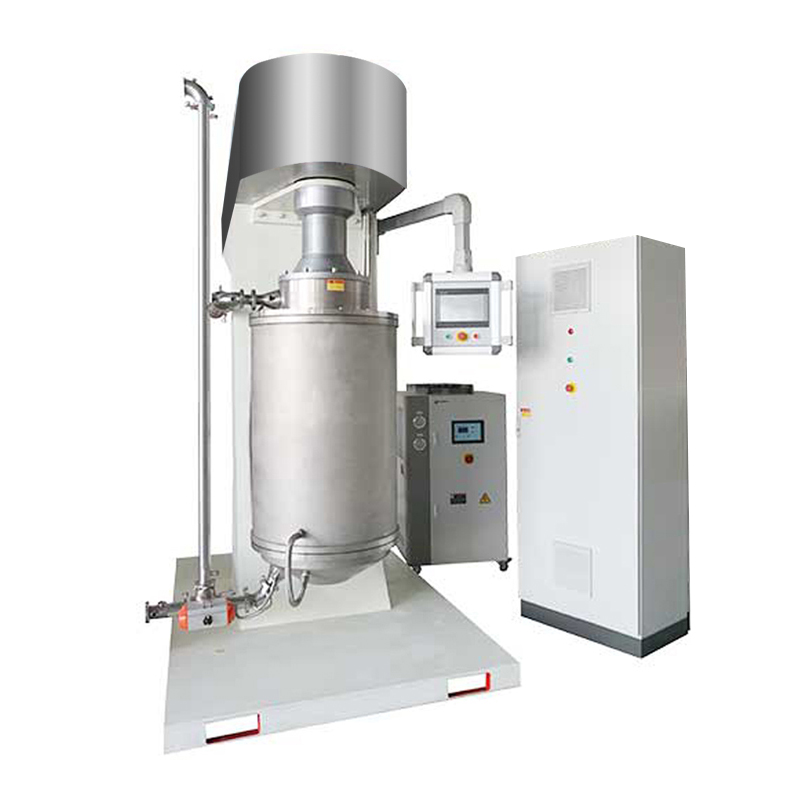
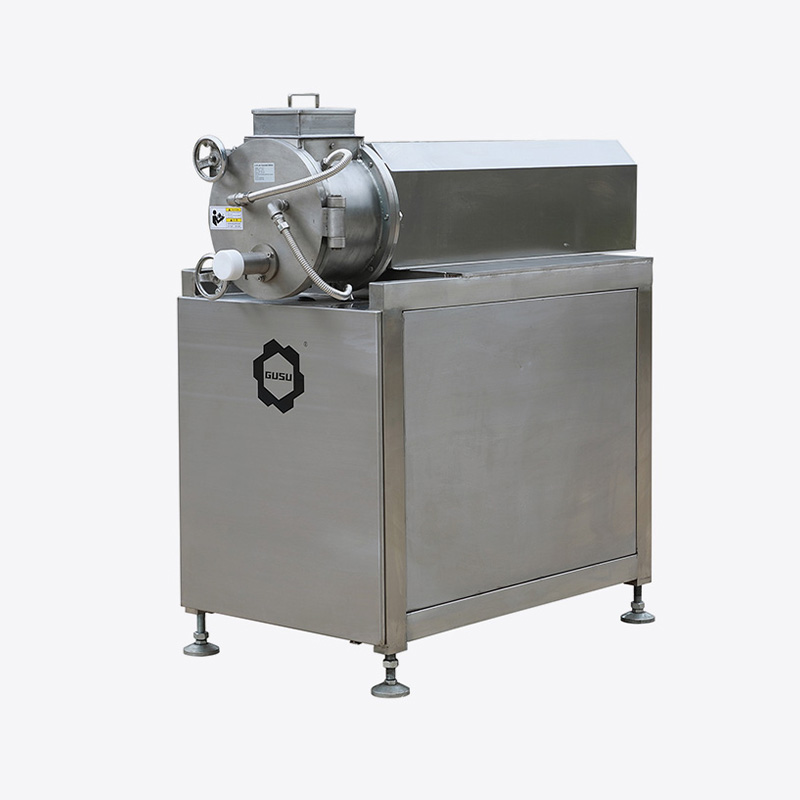
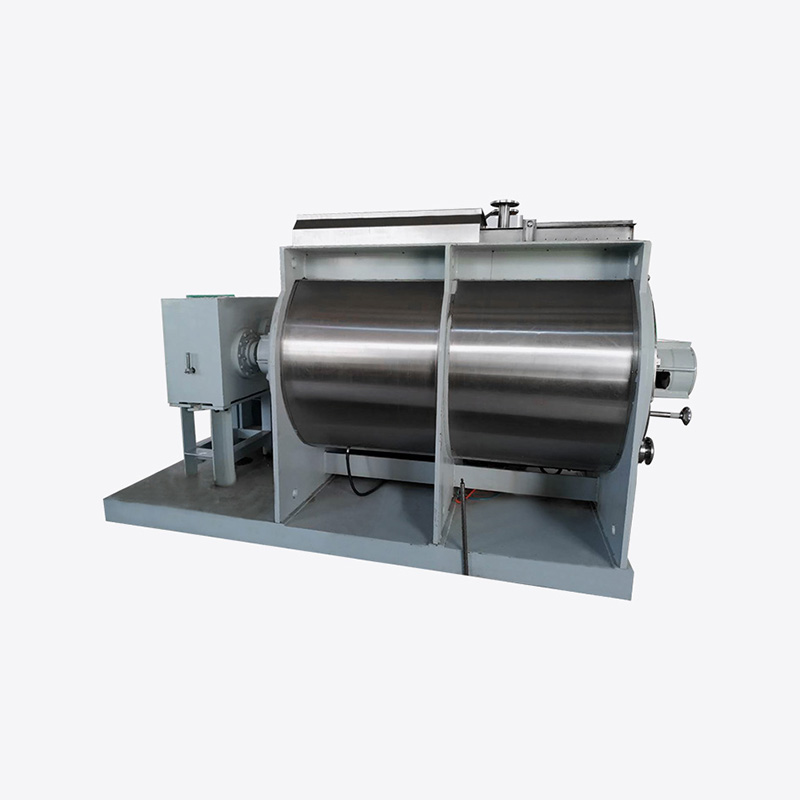
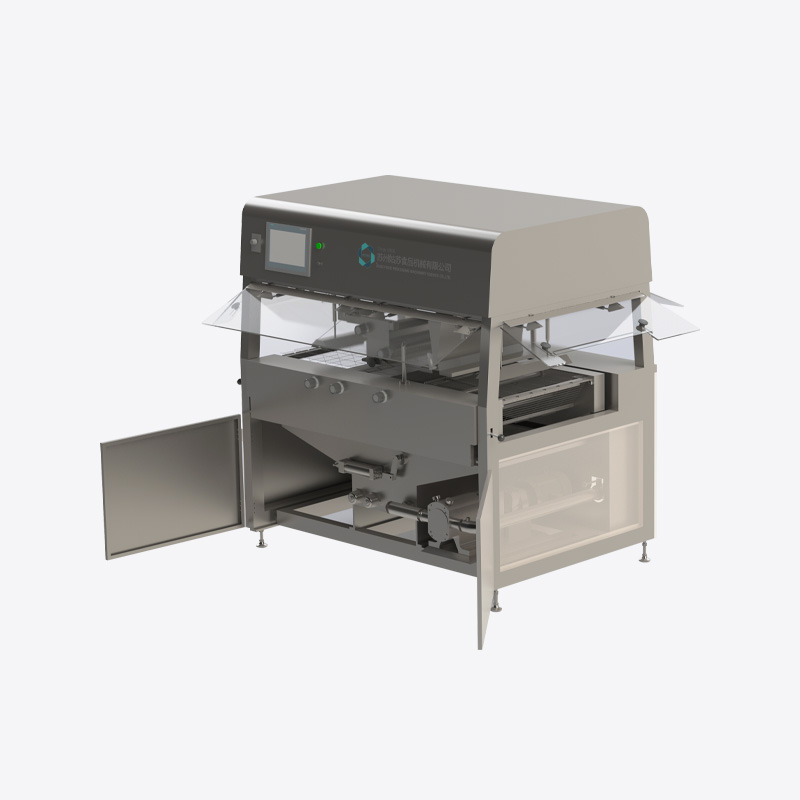
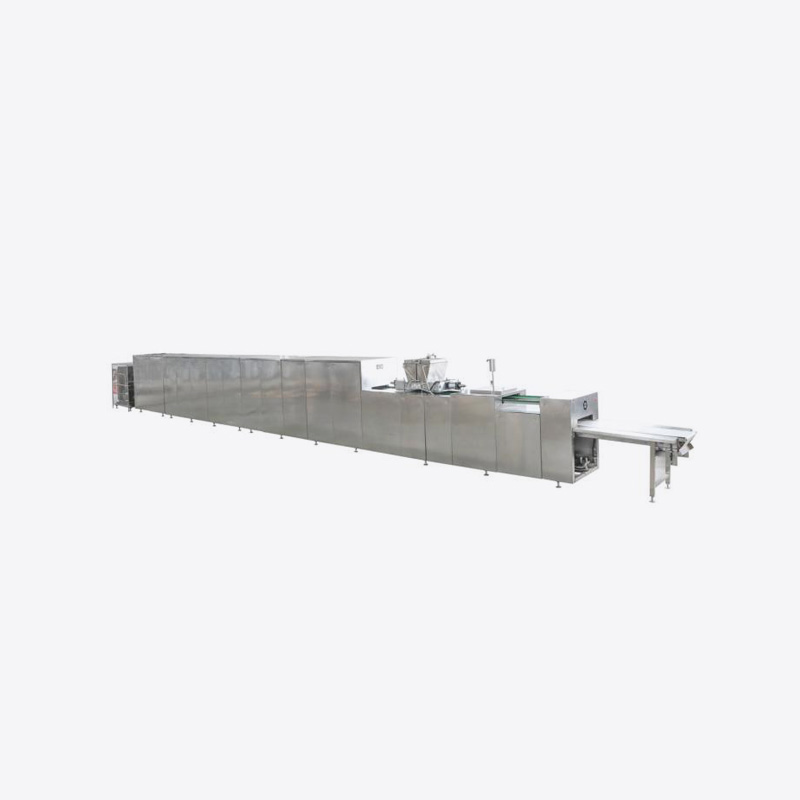
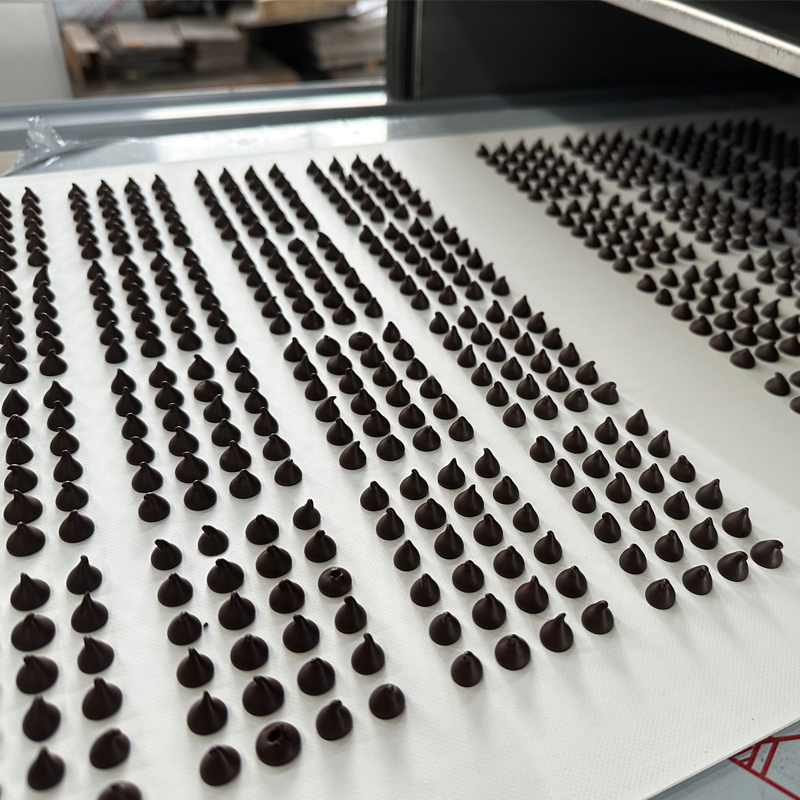
A Chocolate Depositor is a core component in many confectionery, bakery and snack production lines. Whether the operation produces chips, drops, filled pieces or molded shapes, the depositing unit controls portion size, placement and first impressions of the product. The performance of this equipment directly influences throughput, product uniformity and the amount of rework or waste a plant must manage. This guide examines the variables that shape depositor performance, explains how the technology supports steady daily output, and outlines the practical reasons food manufacturers add modern depositing systems to their operations.
Why the depositing stage is critical
The moment chocolate, compound or batter leaves a nozzle defines product weight, shape and often visual appeal. Mistakes at this stage ripple downstream: packaging misfeeds, inconsistent baking or cooling, and higher rejection rates all stem from poor deposition control. In sensitive recipes, small differences in portion mass can change texture and mouthfeel after baking or enrobing. A dependable depositing stage reduces variability, helps meet customer specifications and supports scheduled throughput.
What influences depositor performance
Several clusters of factors determine how well a depositing system performs. They include mechanical design, thermal control, control software, hygiene considerations, tooling, and integration with upstream and downstream equipment. Below is a practical breakdown of the most influential elements:
- Mechanical precision and build quality
- Temperature regulation for melt and holding tanks
- Dosing mechanism and consistency of stroke or pump action
- Synchronization with conveyors and packaging units
- Ease and speed of changeover for different SKUs
- Accessibility for cleaning and maintenance
- Control interface that supports recipe storage and logging
- Spare parts availability and service responsiveness
Each affects uptime, speed and product uniformity. When evaluating options, teams should consider the interaction among these points rather than focusing on a single attribute.
Equipment design and key components
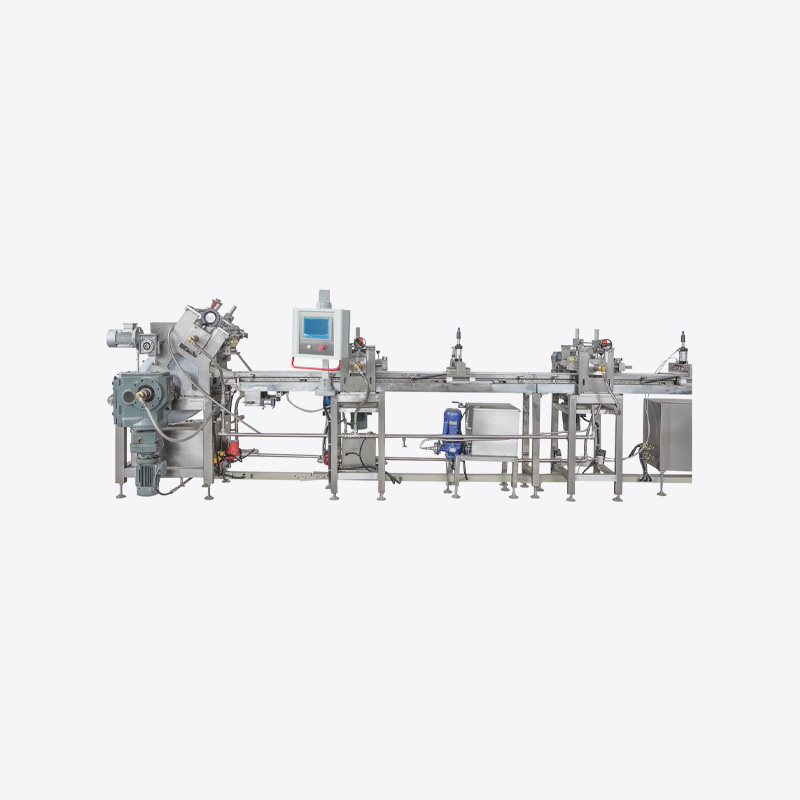
At a glance, a depositor includes a melting/holding system, dosing mechanism, forming head or nozzle array, conveyor interface and control unit. Design choices here drive performance:
- Dosing type: Positive displacement pistons often deliver precise shot weights; peristaltic or gear pumps work well for flowable compounds. Vibratory drop systems are suited to lower-viscosity materials or when a softer impact on the product is desired.
- Nozzle geometry: The shape and finish of the outlet affects drop breakup and surface finish. Quick-change nozzles allow fast format swaps.
- Mounting rigidity: A stable nozzle carriage reduces movement during operation, improving repeatability.
- Frame construction: Rigid frames resist vibration and minimize micro-movement that could cause weight drift.
Manufacturers must match the hardware approach to the material behavior and the desired product form.
Thermal management and its impact
Chocolate and compound rheology respond strongly to temperature. Small shifts change viscosity, adhesion to tooling and the way the product holds shape after deposition. Key considerations:
- Melting uniformity: Gentle, even heating avoids hot spots and burnt particles.
- Holding temperature stability: Holding tanks with minimal fluctuation make dosing consistent during extended runs.
- Nozzle temperature control: Heated nozzles prevent premature setting and reduce stringing.
- Cooling downstream: Immediate, controlled cooling zones set the deposit to a stable form without stress.
Temperature control should be considered part of the depositor's performance envelope; poor thermal behavior is a frequent source of inconsistency.
Dosing accuracy, speed agreement and synchronization
The machine's dosing accuracy and how tightly it follows a production cadence are central to yield and packaging compatibility:
- Repeatability: The variance in shot weight affects final product uniformity. Tight repeatability reduces sorting and rework.
- Cycle time matching: The depositor must match conveyor pitch and downstream take-away speeds; mismatches cause jams and rejects.
- Multi-head coordination: When multiple nozzles operate in parallel, timing must be synchronized to avoid collisions or overlap.
- Control resolution: Fine-grain adjustment and recipe recall speed up changeovers and maintain quality between shifts.
Systems with closed-loop feedback that monitor actual weight or fill profile and adjust in real time support stable output under varying conditions.
Tooling, molds and changeover considerations
Many operations run multiple SKUs. The availability of quick-change tooling, standard interfaces and modular forming assemblies determines how fast the line can adapt:
- Modular mold plates: These enable rapid switching between shapes.
- Interchangeable nozzle racks: Help reconfigure head counts or patterns without prolonged downtime.
- Tool storage and labeling: Organized tooling reduces setup errors and shortens changeover time.
- Ease of alignment: Mechanical indexing that returns tooling to a repeatable position simplifies set-up checks.
Minimizing changeover duration increases net productive time and lowers the burden on operators.
Control systems, traceability and recipe management
Digital controls are now standard. Features to prioritize include:
- Recipe memory: Store deposition parameters per SKU for quick recall.
- Logging: Keep process data for each batch—temperature, cycle count, alarm history.
- Remote diagnostics: Diagnostics help service teams identify issues without immediate site attendance.
- User access control: Prevent accidental changes by unauthorized staff.
Investing in controls that simplify operator tasks while supporting traceability yields better quality and easier audits.
How the depositor supports consistent daily output
A well-chosen and configured depositing solution supports steady flow by reducing bottlenecks and operator interventions. Several mechanisms contribute:
Predictable cycle timing reduces variance in downstream handling.
Automated fills free operators from repetitive dosing tasks.
Modular setups let teams run different formats with less downtime.
Simplified cleaning means shorter sanitation windows and more productive hours.
When the equipment is tuned to both the recipe and line cadence, daily production becomes more predictable and less dependent on operator adjustments.
Line-level integration and end-to-end coordination
Think of the depositor not as an isolated machine but as part of a chain. Integration areas to evaluate:
Conveyor matching: Conveyor design affects deposit placement accuracy and cooling exposure.
Upstream feed consistency: Melting and filtration upstream must supply uniform material.
Downstream handling: Cooling tunnels, inspection stations and packers must accept the deposit geometry without creating backlogs.
Control handshakes: Protocols for start/stop and batch handover should be reliable.
A systems approach minimizes idle time and ensures steady throughput across shifts.
Reducing manual steps and operator workload
Automation in deposition reduces repetitive strain and the risk of human error:
Auto-leveling hoppers maintain a consistent material head for pump-fed systems.
Automated nozzle cleaning cycles reduce manual disassembly.
Guided operator screens show changeover steps and pre-check lists.
Interlocked guards stop the line to prevent unsafe work around moving parts.
Reducing manual touchpoints increases line safety and improves reproducibility across different operators.
Managing cleaning and sanitation without excessive downtime
Sanitation is a major concern in food plants. Strategies that improve cleanliness without long stoppages include:
- Hygienic design: Sloped surfaces, rounded corners and food-grade finishes reduce residue accumulation.
- Quick-release components: Nozzles, droppers and small parts that detach easily speed washdown.
- Clean-in-place compatibility: For some designs, limited CIP cycles reduce manual labor.
- Scheduled sanitation windows: Coordinate cleaning during shift changeovers to minimize lost production.
Careful planning yields compliant hygiene without sacrificing availability.
Typical production layouts and flow recommendations
Layouts should aim for a straight and efficient flow: ingredient storage, melting/tempering, depositing, cooling/setting, inspection, packaging. Some practical layout notes:
Keep thermal stages close to prevent temperature loss during transfer.
Provide service access on both sides of the unit for maintenance tasks.
Allocate buffer space for minor upstream delays without halting the entire line.
Consider multiple depositors feeding a common cooling belt for flexible capacity handling.
A considered layout reduces handling and helps maintain stable cycles.
Why manufacturers choose modern systems
Manufacturers invest in contemporary depositing technology for several pragmatic reasons:
Quality control: Newer equipment offers better repeatability under varying conditions.
Labor efficiency: Automating repetitive tasks allows staff to focus on monitoring and value-add activities.
Product mix flexibility: Fast changeover and modular tooling support a wider SKU range.
Compliance readiness: Updated designs often ease sanitation and traceability compliance.
Predictable maintenance: Modern units have service plans and diagnostics that reduce surprise outages.
These drivers reflect business priorities: predictability, flexibility and cost control.
Business drivers: costs, quality and flexibility
When evaluating investment, teams typically consider:
Total cost of ownership: Purchase price, energy use, spare part needs and labor impact.
Quality ratio: Yield, reject rate and customer feedback on uniformity.
Ability to respond to demand changes: The agility afforded by the machine to handle new SKUs or seasonal peaks.
A clear business case ties machine capability to measurable operational outcomes—reduced waste, fewer manual steps and more predictable delivery schedules.
Selecting the right vendor and machine type
Vendor choice influences long-term performance. Consider these selection steps:
Define product profile: Viscosity range, inclusion size, target throughput and packaging format.
Request trials: Ask for a demonstration with your ingredients to verify forming and cycle behavior.
Assess support network: Local service, spare parts availability and training offerings matter.
Examine references: Visit plants using similar material to confirm long-term behavior.
Contract terms: Clarify warranty, on-site commissioning and spare parts lead times.
A structured procurement process reduces integration surprises.
Maintenance strategy for long-term reliability
A robust maintenance program balances planned preventative work with condition-based checks:
Daily: Quick visual checks, nozzle clean, conveyor alignment.
Weekly: Inspect wear parts, check belt tension and filter condition.
Monthly: Verify heating elements and pump performance, perform lubrication tasks.
Quarterly: Calibrate dosing accuracy and verify control logs.
Annually: Full service with spare part replacement as recommended by the OEM.
Keep a modest stock of consumables to avoid prolonged production interruptions.
Troubleshooting common issues and remedial steps
When problems arise, a logical approach saves time:
Inconsistent mass: Check tank temperature, nozzle wear, pump stroke and airflow in the cooling zone.
Stringing or tailing: Increase nozzle temperature slightly, review melt viscosity and shorten dwell time.
Clogging with inclusions: Pause, clean the feed line, and consider larger channel sizes or intermittent dosing.
Synchronized misfires: Verify encoder signals, conveyor indexing and software recipe alignment.
High reject rate at packaging: Confirm size distribution, product spacing and packer timing.
Document root causes and fixes to prevent recurrence.
Training, documentation and operational handover
Operational competence is essential:
Structured training: Combine classroom sessions with supervised runs.
Standard operating procedures: Clear visual procedures for set-up, changeover and cleaning.
Maintenance manuals: Include exploded views and torque specs.
Knowledge capture: Record settings that work for specific recipes to reduce learning time for new staff.
Well-documented processes protect production quality when teams change.
Case scenarios and practical examples
A bakery moving from manual drops to a depositor
The bakery improved portion uniformity and reduced labor overhead by adopting a compact continuous depositor, which allowed them to expand into new retail channels.
A confectioner introducing filled pieces
A dual-head depositor with synchronized dosing allowed consistent placement of centers and over-coating, improving end-product consistency and shelf presentation.
A contract manufacturer handling multiple clients
Modular tooling and recipe storage enabled fast changeovers between clients'SKUs while lowering setup mistakes and speeding production planning.
These examples show how different business models benefit from careful equipment choice.
Quick procurement checklist
Confirm material rheology range and mixing stability
Observe machine performance with your actual ingredients
Validate cleaning and sanitation ease
Check spare parts logistics and service response
Evaluate control system capabilities and recipe storage
Plan layout with thermal continuity in mind
Budget for spare parts and maintenance contracts
A depositing solution is a strategic purchase. It touches quality, throughput, labor and product range. Choosing equipment that aligns with your manufacturing plan, supports hygiene and offers sensible support options helps secure stable runs and flexible production. Small, consistent gains in repeatability and uptime compound into improved margins and better customer satisfaction. Test with your actual mixes, evaluate lifecycle costs and prioritize a supplier relationship that supports long-term operation.