

 English
 Español

Content
- 1 What Factors Matter When Choosing a Candy Bar Line for Production
- 1.1 Start With How You Want the Factory to Work
- 1.2 Product Flexibility Becomes Valuable Faster Than Expected
- 1.3 Stability Keeps Problems From Compounding
- 1.4 The Building Always Has a Voice
- 1.5 Operators Are Part of the System
- 1.6 Maintenance Determines the Real Cost
- 1.7 Ingredients Behave Differently Than Drawings Suggest
- 1.8 Energy and Resources Are Ongoing Decisions
- 1.9 Growth Should Not Feel Like Starting Over
- 1.10 The Supplier Relationship Shapes the Project
- 2 How Does a Candy Bar Line Improve Production Efficiency and Consistency
- 2.1 When Production Flow Finally Feels Natural
- 2.2 Why Predictable Processes Matter More Than Speed
- 2.3 The Hidden Cost of Small Losses
- 2.4 Where Consistency Strengthens the Entire Operation
- 2.5 How Automation Supports People Instead of Replacing Them
- 2.6 When Efficiency and Consistency Start Reinforcing Each Other
- 2.7 Why Long Term Operation Matters More Than Early Results
- 3 Which Candy Bar Line Configuration Fits Different Manufacturing Needs
- 3.1 Understanding What the Factory Actually Needs
- 3.2 Compact Layouts for Limited Space and Short Runs
- 3.3 Modular Arrangements for Growing Operations
- 3.4 Extended Lines for Continuous High Volume Production
- 3.5 Hybrid Configurations for Mixed Product Strategies
- 3.6 Planning for the Next Stage of Growth
- 3.7 Look at How the Line Actually Runs
- 3.8 Decide What Must Change Now and What Can Wait
- 3.9 Work With the Production Calendar, Not Against It
- 3.10 Bring Operators Into the Conversation Early
- 3.11 Change the Line in Small Steps
- 3.12 Keep the Old and New Systems Running Together When Possible
- 3.13 Review After Each Stage
What Factors Matter When Choosing a Candy Bar Line for Production
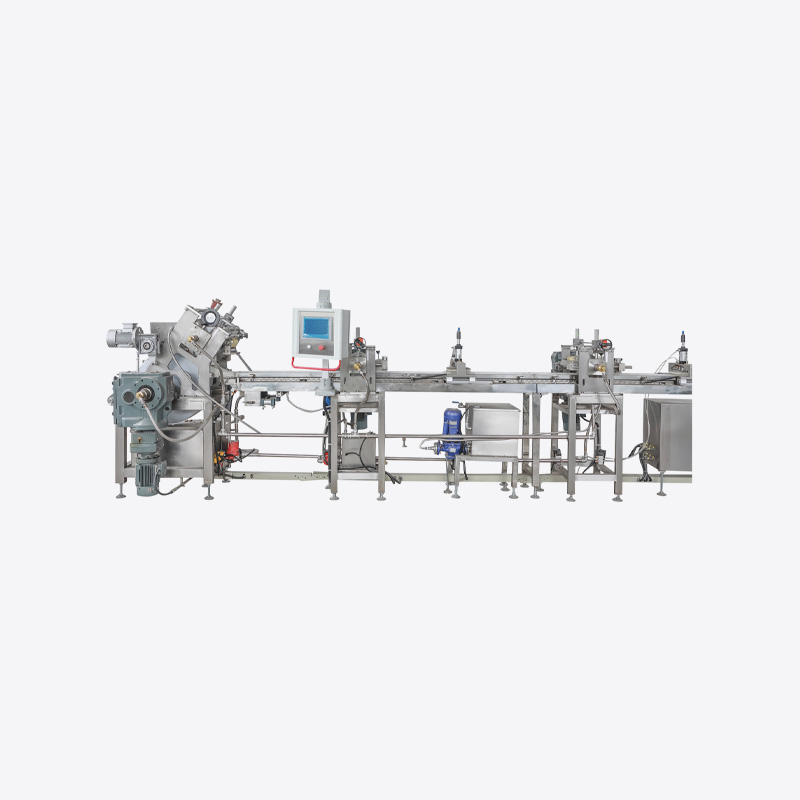
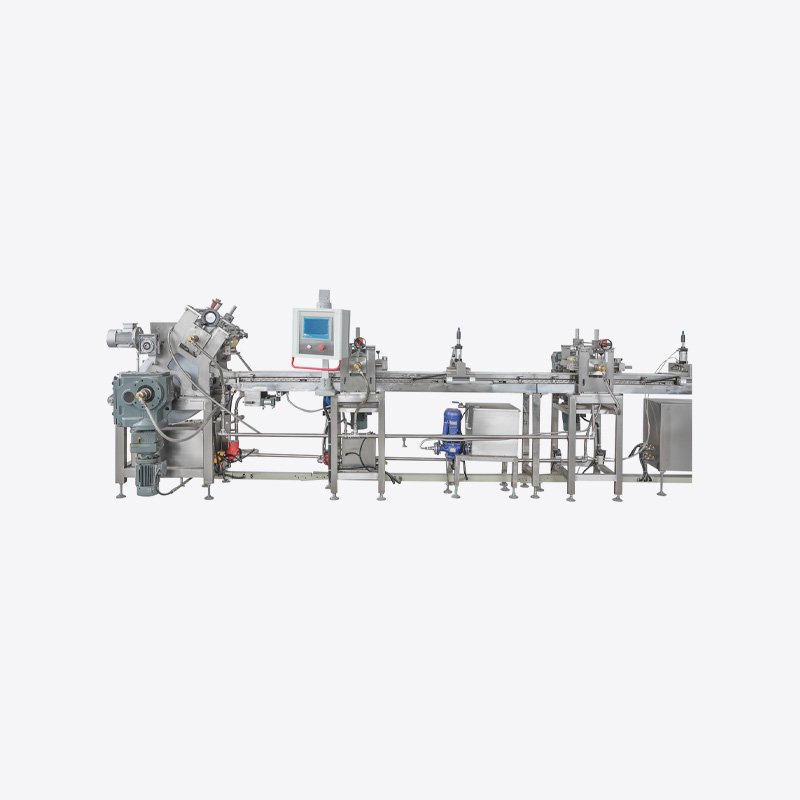
When people talk about buying a new production line, the conversation often starts with machines and finishes with budgets. But in real factories, the decision is rarely that simple. A candy bar line affects daily operations, product quality, maintenance planning, staff workload, and how easily a business can respond to future market changes.
Most manufacturers who have gone through this process once will say the same thing later: the early decisions matter far more than they seemed at the time.
This article looks at the real factors that shape a successful candy bar production project, based on what factory teams usually face once the machines are actually running.
Start With How You Want the Factory to Work
Before reviewing equipment options, it helps to step back and picture how the factory should operate six months after installation.
Some teams are trying to stabilize quality.
Some want to raise output without adding more operators.
Others need a system that allows frequent product changes.
If the production goal is not clear at the start, the equipment selection becomes guesswork. And guesswork is expensive once steel is on the floor.
Product Flexibility Becomes Valuable Faster Than Expected
Market demand changes faster than production equipment. New bar shapes, different coatings, updated packaging styles, and seasonal variations appear regularly.
Factories that choose rigid systems often discover later that introducing a new product requires complicated modifications. Lines designed with flexibility in mind make it easier to test new ideas without disturbing the entire process.
This is one reason many teams now look beyond today's product list and ask what their customers might want next year.
Stability Keeps Problems From Compounding
When a production line runs unevenly, problems rarely stay small. Minor variations in forming or cooling often lead to higher scrap rates, more inspections, and constant adjustments by operators.
A well-balanced line helps maintain steady product appearance, texture, and weight. Over time this stability reduces waste, simplifies quality control, and keeps production schedules predictable.
Consistency may not sound exciting, but it quietly determines profit margins.
The Building Always Has a Voice
No production line exists on its own. Ceiling height, floor layout, utilities, material flow, and maintenance access all influence how smoothly the system operates.
Many installation challenges come not from the equipment, but from forcing it into a space that was never designed for the workflow it creates. Early planning between engineering, operations, and equipment suppliers saves months of frustration later.
Operators Are Part of the System
Automation helps, but people still run the factory.
Controls that are difficult to understand, poor access for cleaning, or awkward working positions eventually affect morale and productivity. Equipment that supports safe, clear, and comfortable operation reduces training time and keeps experienced staff engaged.
Factories that involve operators in early design reviews often avoid small design problems that become daily irritations once production starts.
Maintenance Determines the Real Cost
Every production line needs maintenance. The difference is how painful it becomes.
Systems that are easy to inspect, service, and clean usually experience shorter downtime and fewer emergency stoppages. When maintenance teams can access wear parts quickly and follow clear service routines, problems are solved before they affect production schedules.
Over years of operation, this matters more than initial purchase price.
Ingredients Behave Differently Than Drawings Suggest
Chocolate, caramel, nougat, and cereal inclusions each behave differently under real production conditions. Flow properties change with temperature, humidity, and formulation adjustments.
A good line handles these variations without forcing operators to constantly intervene. Gentle handling, controlled transitions between stages, and predictable cooling all protect product structure and appearance.
Energy and Resources Are Ongoing Decisions
Production costs continue long after installation. Power use, cleaning time, water consumption, and compressed air all influence long-term operating budgets.
Design choices that improve efficiency and simplify cleaning routines quietly support sustainable operation year after year.
Growth Should Not Feel Like Starting Over
Factories that plan for expansion early avoid major disruption later. Modular designs, spare capacity in layouts, and room for additional processing sections allow businesses to grow without rebuilding from scratch.
This type of planning protects the original investment and supports future development.
The Supplier Relationship Shapes the Project
Machines matter, but the people behind them often matter more.
Clear communication, honest technical discussions, reliable documentation, and ongoing support all influence whether a project runs smoothly. Strong partnerships make problem-solving faster and improvements easier throughout the life of the line.
Choosing a candy bar production line is not just an equipment purchase. It is a long-term decision about how a factory will operate, adapt, and grow.
Teams that take the time to understand their production goals, working conditions, maintenance strategy, and future direction usually build systems that serve them well for many years. Those who rush early decisions often spend far more time correcting them later.
How Does a Candy Bar Line Improve Production Efficiency and Consistency
Anyone who has spent time on a factory floor knows this.
When production starts falling behind schedule, the problem is rarely one single machine. It is usually the way the whole process fits together.
After choosing a suitable production system, most managers stop asking about equipment and start asking about daily results. Will the workshop run smoother. Will output become more predictable. Will quality stay steady when orders increase.
These are practical questions, and the answers only appear after the line begins running day after day.
When Production Flow Finally Feels Natural
Many plants did not begin with a complete plan. New machines were added when demand increased. Conveyors were adjusted when space became tight. Over time, operations became a patchwork of solutions.
One issue we often see in existing plants is this. Materials stop more often than people realize. Workers wait. Products pause between stages. Small delays slowly eat into each shift.
A structured candy bar line changes that rhythm.
Instead of constant stops and manual transfers, the process begins to feel natural. Ingredients move through forming, shaping, cooling, and finishing in a steady sequence. Each stage supports the next instead of interrupting it. After a few weeks of stable operation, teams usually notice that the day feels less rushed even though output increases.
Why Predictable Processes Matter More Than Speed
Factories do not struggle because they are slow.
They struggle because results change from hour to hour.
When conditions remain stable, operators no longer spend their shift chasing problems. Temperature stays where it should. Shapes come out consistent. Minor adjustments become rare rather than constant.
This predictability does more than improve output. It gives supervisors confidence when scheduling shifts, planning maintenance, and committing to delivery times. Over months of operation, this stability becomes one of the most valuable benefits of the line.
The Hidden Cost of Small Losses
Efficiency rarely collapses because of one big failure.
It erodes through many small losses.
A few minutes lost during cleaning.
Another few minutes during adjustment.
Extra handling between stations.
Short stops that happen dozens of times per day.
Individually they seem minor. Together they quietly consume large portions of production time.
When the process is integrated, many of these losses simply stop happening. Movement becomes direct. Access for cleaning improves. Adjustments affect only the section that needs attention, not the entire workshop.
Over time, these changes reshape daily output more than any single machine upgrade.
Where Consistency Strengthens the Entire Operation
Consistency is not only about how the product looks.
It influences packaging flow, inspection workload, storage behavior, and customer feedback.
When bars leave the line with stable shape and weight, packaging becomes easier to manage. Inspection takes less time. Rework decreases. Operators trust the process instead of checking every batch with concern.
That confidence spreads across the plant.
How Automation Supports People Instead of Replacing Them
Automation changes the role of the workforce.
It does not remove human judgment from the process.
Operators move from constant manual correction to system supervision. Instead of reacting all day, they observe, fine-tune, and focus on maintaining normal operation. This shift reduces fatigue and allows teams to handle larger volumes without additional strain.
The result is not just higher output.
It is a calmer, more controlled production environment.
When Efficiency and Consistency Start Reinforcing Each Other
After several months of stable operation, something interesting usually happens.
Efficiency and consistency begin to support each other naturally.
Less variation means less waste.
Less waste means more usable output.
More predictable output improves planning.
Better planning reduces emergency decisions.
| Production Area | What Changes Over Time |
|---|---|
| Material handling | Fewer unnecessary transfers and smoother movement |
| Process stability | Less variation and fewer manual corrections |
| Changeover routines | Shorter adjustment periods between products |
| Maintenance planning | More predictable service windows |
| Labor organization | Clearer roles and calmer workflows |
These improvements may seem gradual, but they accumulate quietly. After a year of operation, many teams look back and realize how different the factory feels compared to before.
Why Long Term Operation Matters More Than Early Results
The first weeks of running a new line are rarely the real test.
Teams are still learning the system. Maintenance routines are not fully settled. Process adjustments continue.
The real value becomes visible after months of steady use.
That is when data becomes reliable. That is when scheduling improves. That is when quality becomes something the team expects, not something they hope for.
Factories that focus on building stable daily operation usually see stronger results than those chasing short term output spikes.
A candy bar line does not improve efficiency and consistency because of any single component.
It does so because the entire process begins to work as one.
When materials move smoothly, people work with confidence, quality becomes predictable, and daily production feels manageable. That sense of control allows factories to grow without losing balance.
In the long run, that stability is what supports expansion, product development, and sustainable operation.
Which Candy Bar Line Configuration Fits Different Manufacturing Needs
Once production becomes stable and predictable, the next challenge usually appears very quickly.
How should the line be configured as demand changes.
There is no single arrangement that fits every factory. What works for a small workshop often fails to scale in a larger facility. What suits a regional producer may not match the working rhythm of a multinational operation. The right configuration grows out of production goals, space limits, product mix, and long term planning.
Understanding What the Factory Actually Needs
Before looking at any layout options, many teams benefit from stepping back and reviewing how their operation truly works.
Some plants prioritize flexibility. They handle short runs, frequent product changes, and seasonal demand. Others focus on long production cycles with steady output. There are also facilities balancing both worlds, shifting between stable production and frequent adjustments.
The configuration of a candy bar line should follow this reality, not the other way around.
Compact Layouts for Limited Space and Short Runs
Smaller plants and contract producers often operate within tight floor space. Their product mix changes frequently, and storage areas remain limited.
In these environments, compact configurations perform well. Equipment is arranged in close proximity, reducing internal movement and allowing operators to oversee multiple stages from a single working zone. Changeovers tend to be simpler because access to each section remains convenient.
This layout supports frequent recipe changes and small batch production without disrupting daily schedules.
Modular Arrangements for Growing Operations
Many factories fall between small scale production and full industrial expansion. They experience gradual growth and need a line that adapts along the way.
A modular configuration fits this situation. Individual sections can be added or rearranged as capacity increases. The factory avoids major redesigns while expanding output step by step.
This approach allows management to respond to market changes without committing to a rigid long term structure too early.
Extended Lines for Continuous High Volume Production
Facilities with stable demand and long production cycles usually prefer extended configurations.
Processes are arranged in a straight or gently curved flow, minimizing backtracking and cross traffic.
Material movement becomes highly predictable. Operators specialize in specific zones. Maintenance routines integrate smoothly into the production schedule.
This type of arrangement suits operations where output planning remains consistent and product variation stays limited over long periods.
Hybrid Configurations for Mixed Product Strategies
Some manufacturers serve several market segments at once. They produce standard items in large volumes while also running specialty products in smaller quantities.
Hybrid layouts combine elements of compact and extended configurations. Dedicated main lines handle core production, while side modules support special processes or limited runs.
This structure allows factories to remain flexible without compromising overall stability.
| Factory Situation | Common Configuration | Operational Advantage |
|---|---|---|
| Limited space and frequent changeovers | Compact layout | Quick adjustments and efficient supervision |
| Gradual capacity growth | Modular arrangement | Expandable without major disruption |
| Stable high output | Extended line | Smooth continuous production |
| Mixed production strategy | Hybrid configuration | Balance between stability and flexibility |
Planning for the Next Stage of Growth
When choosing a configuration, many managers focus on current needs only.
Experience suggests it is wiser to consider where the operation may be in several years.
Future product development.
New customer segments.
Changes in packaging requirements.
Workforce availability.
A well chosen configuration allows the factory to adapt without frequent structural changes.
The right candy bar line configuration is not defined by size or complexity.
It is defined by how closely it matches the factory's real operating conditions.
When layout supports workflow, people work with confidence, materials move with purpose, and daily production becomes easier to manage. That alignment between design and reality is what allows manufacturing operations to grow steadily and remain competitive over time.
A smooth upgrade depends less on equipment and more on preparation.
Look at How the Line Actually Runs
Before any redesign starts, it helps to watch the current operation closely for several days.
Where do people slow down.
Which steps cause repeated interruptions.
Which machines need the most attention during each shift.
These details shape the upgrade far more than any brochure description ever could.
Decide What Must Change Now and What Can Wait
Some issues need immediate attention.
Others only become important as production grows.
Separating urgent problems from long range goals keeps the project realistic. Instead of one massive disruption, the factory moves forward through steady improvement.
Work With the Production Calendar, Not Against It
Every plant has natural pauses.
Seasonal demand changes.
Planned maintenance stops.
Product transitions between batches.
Aligning upgrade work with these moments allows improvement without forcing long shutdowns or rushed decisions.
Bring Operators Into the Conversation Early
Operators often understand the line better than anyone else. They know which adjustments cause frustration and where mistakes tend to happen.
When they contribute to planning, hidden problems appear early, and acceptance of the new system grows naturally. Training also becomes easier once the upgrade is in place.
Change the Line in Small Steps
Large projects become manageable when broken into pieces.
Install one section.
Stabilize it.
Review performance.
Then continue.
This method limits risk and keeps daily production under control.
Keep the Old and New Systems Running Together When Possible
If space and scheduling allow, running parts of the old system alongside new installations gives the team breathing room. Output continues, while operators learn and adjustments happen without pressure.
Once the new section proves stable, the final transition becomes far less stressful.
Review After Each Stage
After every phase, stop and evaluate.
What became easier.
What still causes delays.
What procedures should be adjusted.
Upgrading a candy bar line does not have to disrupt production when planning reflects how factories actually work. Careful timing, step by step changes, and strong communication keep output stable while the operation moves forward.
Over time, this approach builds trust within the team and creates a solid foundation for future development.