

 English
 Español


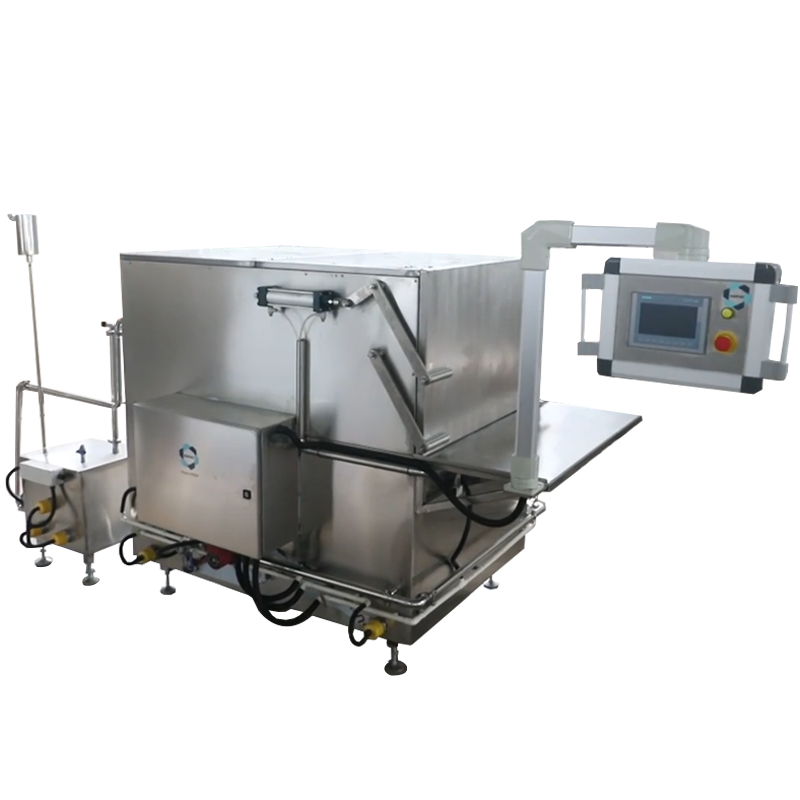
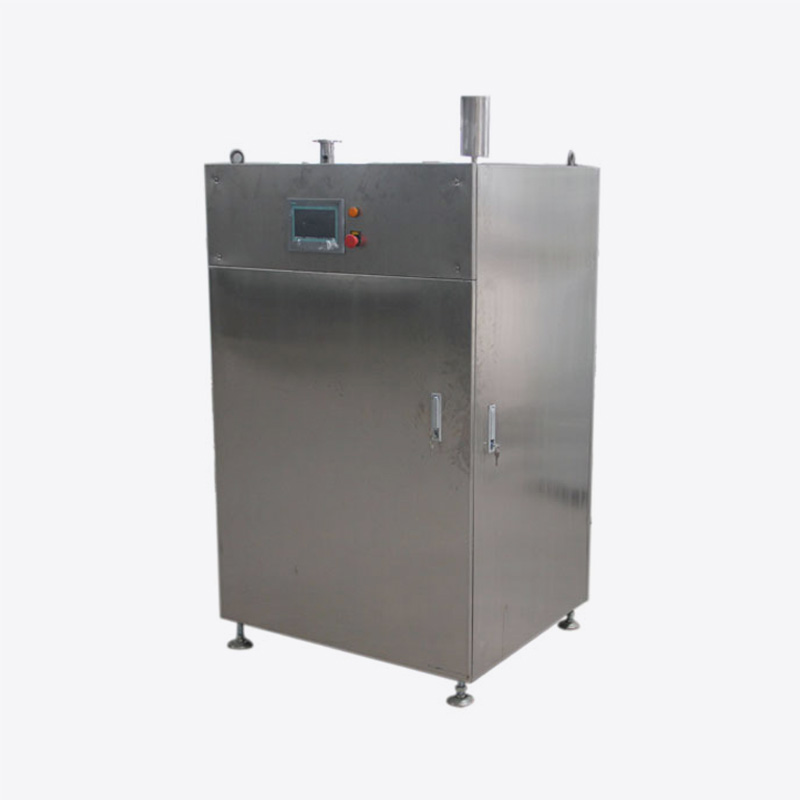
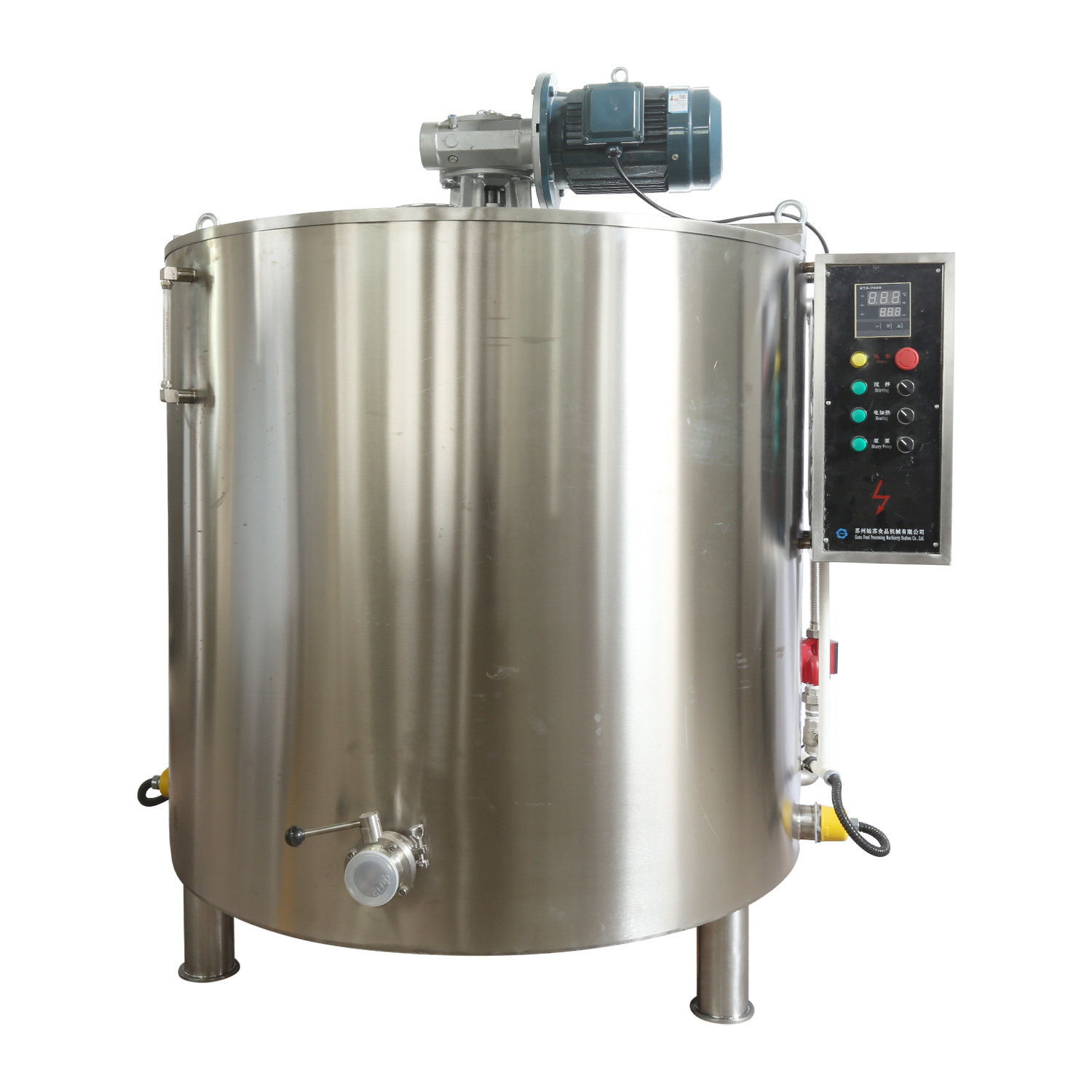
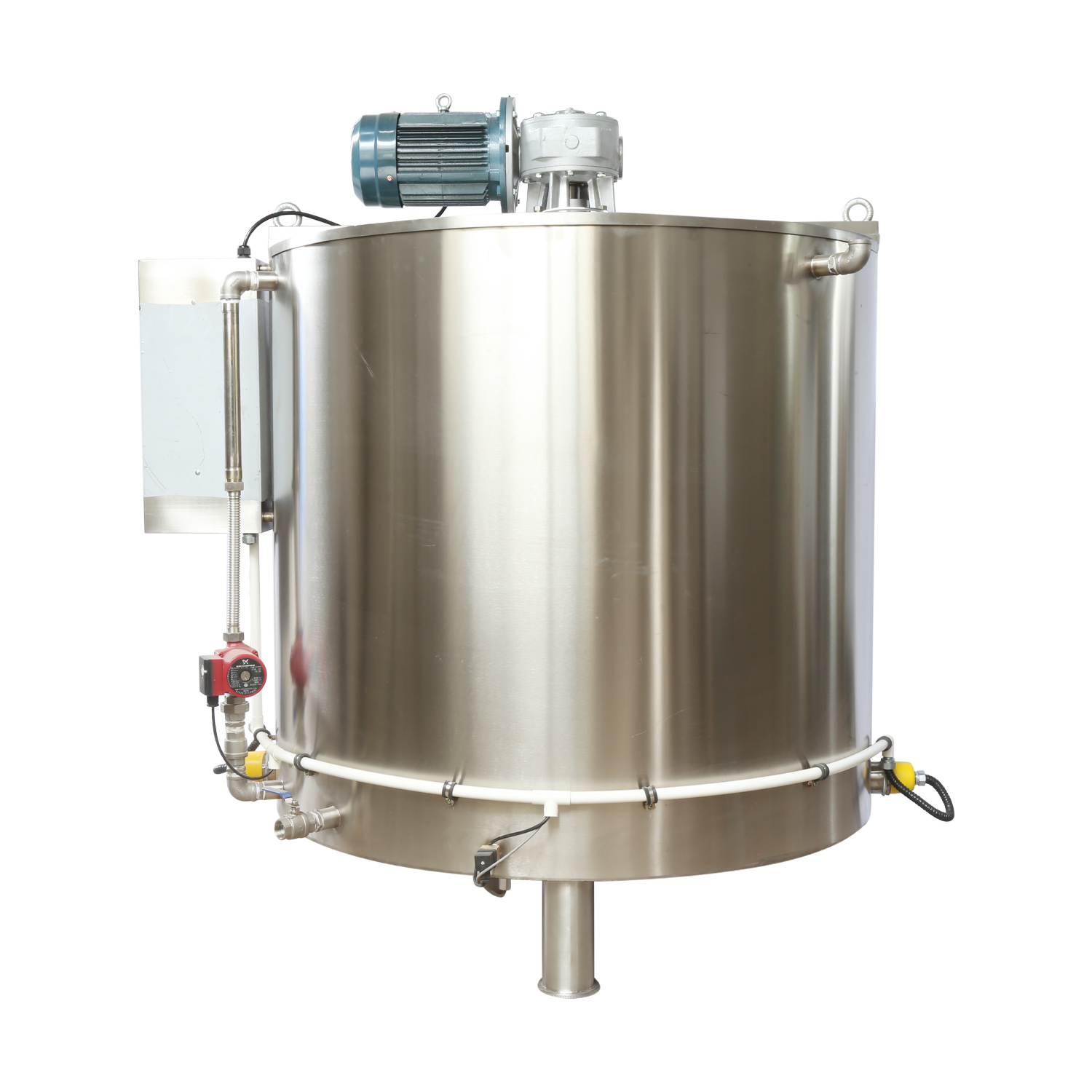
Mixing and holding tanks sit at several points in chocolate manufacture, receiving liquid chocolate, keeping it fluid and transferring it to the next stage. Construction material, interior finish and the arrangement of inlets, outlets and agitation all influence how cleanly the product can be handled and how long the vessel remains serviceable. Corrosion resistance, smooth product-contact surfaces and mechanical durability therefore become central selection criteria. A Stainless Steel Liquid Mixing Tank that meets these requirements can serve as a practical vessel for storage and controlled mixing when its capacity, connections and any heating provisions match the process.
Content
- 1 Place of Mixing Tanks Within Chocolate Processing
- 2 Suitability of Stainless Steel for Chocolate Contact
- 3 Hygienic Features That Support Routine Sanitation
- 4 Structural Attributes Relevant to Chocolate Plants
- 5 Support for Steady Production Flow
- 6 Customization Options for Specific Chocolate Duties
- 7 Selection Criteria for a Suitable Vessel
- 8 Overview of Design Factors and Verification Points
- 9 Selecting a Vessel That Matches Process and Hygiene Needs
Place of Mixing Tanks Within Chocolate Processing
Integration into the Manufacturing Sequence
Liquid chocolate moves from refining or conching into intermediate storage, then onward to tempering, depositing or packaging. At each pause the product must remain homogeneous and at a workable temperature. The tank provides that buffer volume and, when fitted with an agitator, prevents separation or local solidification.
Importance of Vessel Construction for Product Quality
Rough interiors, crevices or materials that react with cocoa butter and sugars can harbor residue or alter flavor. Construction that minimizes such sites supports consistent product quality from batch to batch. The same construction must also withstand repeated heating, cleaning and mechanical stress.
Core Requirements for Chocolate Storage and Transfer
The vessel needs a food-compatible interior, reliable discharge, access for inspection and cleaning, and, where the process demands it, controlled heating. Capacity must align with upstream and downstream equipment so that neither overflow nor prolonged idle time occurs.
Suitability of Stainless Steel for Chocolate Contact
Resistance to Corrosion in Food Environments
Chocolate processing involves fats, sugars, occasional cleaning chemicals and moisture. Stainless grades commonly used in food equipment resist attack under these conditions, limiting the risk of surface pitting or metallic contamination of the product.
Smooth Interiors That Meet Product-Contact Expectations
A finely finished stainless surface reduces the adhesion of chocolate and simplifies the removal of residual film. The absence of porous areas or open seams further limits sites where product can accumulate between batches.
Material Choice for Extended Industrial Service
Beyond corrosion resistance, the selected grade must retain strength at process temperatures and tolerate the mechanical loads of agitation and full liquid head. Long-term dimensional stability supports reliable sealing at manways, nozzles and agitator penetrations.
Grade Selection Matched to the Application
Different stainless designations offer varying levels of corrosion resistance and mechanical properties. The grade is chosen according to the specific chocolate formulation, cleaning regime and temperature range rather than by generic preference.
Hygienic Features That Support Routine Sanitation
Influence of Interior Finish on Cleanability
Smoother finishes allow cleaning solutions and rinse water to reach the entire surface and to drain completely. Rough or poorly finished zones retain film and require more aggressive mechanical action.
Accessible Connections and Outlets
Nozzles, valves and instrument ports are positioned and finished so that they can be reached for inspection and cleaning. Dead legs and undrainable pockets are avoided wherever the process layout permits.
Limitation of Residual Product After Discharge
Sloped bottoms, properly sized outlets and, where fitted, scrape-surface or gentle agitation help move the last of the batch out of the vessel. Reduced residue shortens cleaning time and lowers the volume of product lost between runs.
Design Details That Facilitate Sanitation Cycles
Manway size, spray-ball coverage (if present), and the absence of sharp internal corners all affect how thoroughly the tank can be cleaned. These features are reviewed together with the plant's standard cleaning procedures.
Structural Attributes Relevant to Chocolate Plants
Vertical Orientation and Floor-Space Efficiency
A vertical cylinder occupies less floor area than a horizontal vessel of equal volume, an advantage in crowded process rooms. Height must still remain compatible with ceiling clearance and with safe access to the top fittings.
Wall Construction and Mechanical Strength
Wall thickness and reinforcement at supports and nozzles keep the tank rigid under full load and under the forces generated by agitation. Weld quality and the absence of stress-raising defects further support long service.
Covers, Inlets and Discharge Arrangements
Hinged or removable covers allow inspection and occasional manual intervention. Inlet and outlet locations are chosen to suit the existing piping and to promote complete drainage. Secure closure of openings maintains hygiene between batches.
Insulation and Jacket Provisions for Temperature Control
Where chocolate must be held above a set temperature, jackets or tracing can be added. Insulation reduces heat loss and improves temperature uniformity. The need for such systems is determined by the process recipe and ambient conditions.
Support for Steady Production Flow
Stable Holding Conditions for Liquid Chocolate
Gentle agitation and, when required, controlled heating keep the mass fluid and homogeneous until it is called forward. Temperature excursions that would thicken or separate the product are avoided.
Transfer Between Process Stages
Reliable discharge and compatible connection sizes allow the tank to feed the next machine without interruption. Level indication or simple visual checks help operators schedule transfers.
Capacity Matched to Batch Size and Line Rate
Oversized vessels extend residence time unnecessarily; undersized ones force frequent changeovers. Capacity is therefore set by the upstream output and the downstream consumption rate.
Integration with Existing Equipment
Nozzle orientation, support footprint and control interfaces are aligned with the surrounding layout so that the tank becomes a continuous part of the line rather than an isolated vessel.
Customization Options for Specific Chocolate Duties
Capacity and Overall Dimensions
Volume and physical size are selected to fit both the production rate and the available space. Custom dimensions allow the tank to occupy otherwise awkward floor areas.
Agitator Arrangements for Different Product Viscosities
Blade type, speed and mounting are adjusted to the flow behavior of the chocolate. Low-shear designs protect sensitive formulations while still preventing settling.
Outlet and Connection Placement
Nozzle locations can be altered to match existing pipe runs or to improve drainage. Multiple outlets may be provided when the same tank serves more than one downstream path.
Heating and Monitoring Additions
Jackets, immersion heaters or external heat exchangers, together with temperature sensors, are added when the process requires active temperature control. A Mixing Tank With Heater configuration is therefore specified only when the thermal duty has been defined.
Selection Criteria for a Suitable Vessel
Daily Throughput and Preferred Batch Volume
Production volume and the desired number of batches per shift set the minimum working capacity. Future increases in output are considered so that the tank does not become a bottleneck.
Material Compatibility and Surface Finish
The stainless grade and the interior finish are confirmed against the product and the cleaning chemicals in use. Documentation of material certificates and finish standards supports this check.
Cleaning Access and Maintenance Requirements
Manway size, spray coverage, drainability and the accessibility of seals and bearings are compared with the plant's sanitation schedule. Designs that reduce confined-space entry lower both time and risk.
Fabrication Standards and Supplier Experience
Weld quality, dimensional accuracy and previous work in food or chocolate applications indicate whether the fabricator can deliver a vessel that meets hygienic expectations. Custom Holding Tanks are evaluated on the same basis when non-standard dimensions or fittings are required.
Overview of Design Factors and Verification Points
| Design Aspect | Contribution to Chocolate Handling | Point to Confirm |
|---|---|---|
| Stainless grade and finish | Corrosion resistance and cleanability | Material certificates and surface-finish standard |
| Interior geometry | Complete drainage and reduced residue | Bottom slope, outlet size, absence of dead legs |
| Agitation system | Homogeneity without excessive shear | Blade type, speed and sealing arrangement |
| Heating or insulation | Temperature stability during holding | Jacket coverage, sensor location, control method |
| Capacity and footprint | Match to batch size and available space | Working volume and installation dimensions |
| Access for cleaning | Thorough sanitation between batches | Manway size, spray coverage, drainability |
Selecting a Vessel That Matches Process and Hygiene Needs
Stainless construction, hygienic interior design, adequate structural strength and the ability to incorporate agitation or heating together determine how well a mixing or holding tank serves chocolate production. Capacity, connection layout and cleaning access must still be matched to the specific line. Gusu Food Processing Machinery Suzhou Co.,Ltd. fabricates stainless steel tanks for chocolate storage and mixing applications. Review of available capacities, surface finishes, agitator options, heating provisions and custom connection arrangements against the plant's throughput, product characteristics and layout constraints allows selection of a vessel suited to consistent and hygienic chocolate handling.