

 English
 Español

Content
- 1 How a Chocolate Chips Machine Actually Keeps a Production Line Moving
- 2 What a depositor really needs to behave
- 3 Quick troubleshooting routine
- 4 Startup routine that actually reduces trouble
- 5 Nozzles and heads — small parts, big impact
- 6 Pumps and drive health — what to monitor
- 7 Temperature and viscosity control — the hands-on bit
- 8 Cleaning and hygiene — balance speed and thoroughness
- 9 Calibration without the drama
- 10 Operator training that sticks
- 11 Troubleshooting scenarios — quick playbook
- 12 Buying a depositor — questions that actually matter
- 13 Small investments, big returns
- 14 Simple shopping list that you can save directly
- 15 Keep it human, not heroic
How a Chocolate Chips Machine Actually Keeps a Production Line Moving
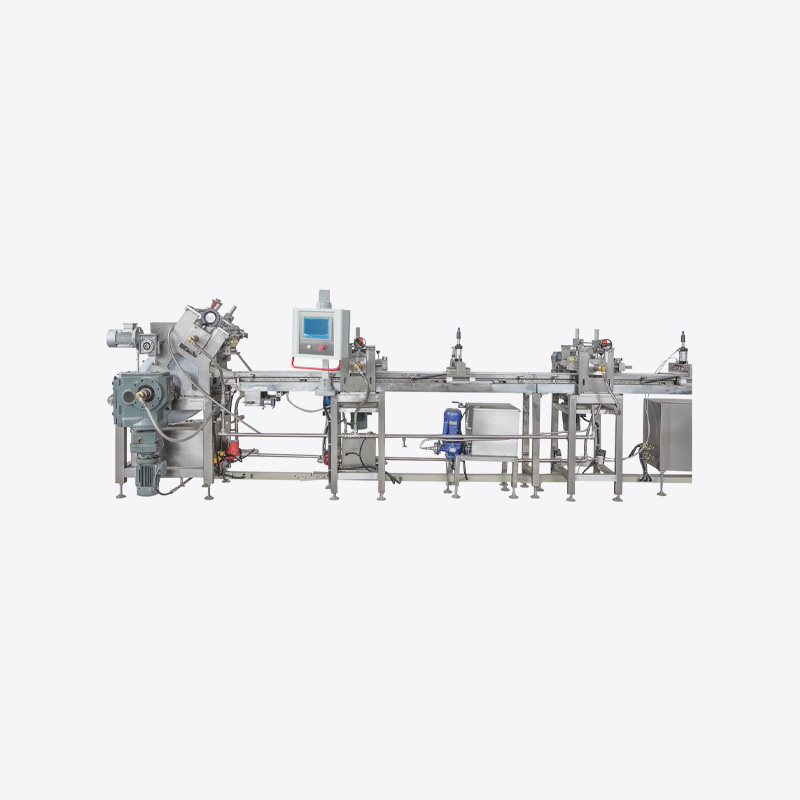
A Chocolate Chips Machine looks like a simple bit of kit on the floor, but give it a bad day and the whole line starts to wobble. Get it right, and nobody notices — which, in production terms, is exactly the point. This piece is written for people who need practical, field-tested advice: operators, supervisors, plant engineers, and procurement folks who want fewer surprises and steadier runs. I'll focus on what matters in real life: startup routines, common faults and fixes, maintenance that actually prevents downtime, and buying tips that help you avoid the usual traps.
A morning on the line — why small things matter
Two lines, same recipe, same temperer model. One plant gets through the morning batch with a single operator who makes two small tweaks to the depositor routine and walks away smiling. The other plant spends three hours chasing uneven chips and clogged nozzles. The difference? The operator followed a compact startup checklist: hopper lid closed until the machine reached temperature, a short purge to clear trapped air, and a five-piece nozzle inspection. The second operator skipped the purge and opened the hopper during warm-up to check viscosity; that introduced air and formed a thin skin, which in turn led to inconsistent shots.
This happens more than you'd think. depositor problems come from processes, not fancy parts. Paying attention to the warm-up and handling the chocolate gently saves far more time than swapping pumps.
What a depositor really needs to behave
Think of a depositor as a metering tool with three main inputs:
- Material condition — temperature, homogeneity, and absence of foreign particles.
- Mechanical condition — pump health, nozzle integrity, and linkage timing.
- Process control — start/stop routines, conveyor sync, and operator habit.
Neglect any of those and you'll see symptoms: underfills, splash marks, split shells, or drift in portion weight. The simple way to keep the machine steady is to treat those three inputs as routine checks, not exceptional tasks.
Quick troubleshooting routine
When the machine starts producing odd parts, follow this ordered list. It catches the majority of issues without expensive guessing.
- Check the chocolate temperature — is the temperer steady? Are there cold spots in short delivery pipes?
- Listen to the pump — odd tones often precede flow problems. A whining or grating sound can mean cavitation or worn bearings.
- Purge and watch the 10 shots — do they match the profile? Purging removes trapped air and old product near the head.
- Inspect nozzles — swap a suspect nozzle with a clean spare to see if the problem follows the part.
- Examine feed lines and hoppers — agitation must keep inclusions suspended; dead zones form crusts and blockages.
- Confirm conveyor timing — misaligned indexing smears deposits right at the head.
- Scan the control logs — encoder glitches or missed pulses show up here.
Do the list in order. You'll find you rarely need to dig into gearboxes or replace expensive parts when the root cause is material or air.
Startup routine that actually reduces trouble
Make this a standard operating step and write it on a laminated card by the machine:
- Close hopper lid and confirm temperer is at target steady temperature.
- Start gentle agitation for the hopper to homogenize mix.
- Purge three short cycles to clear lines (observe flow and nozzle profile).
- Run a 30-second sample at production speed and weigh ten pieces across three nozzles.
- Adjust pump speed or nozzle dwell to hit nominal weight, not just eyeballing it.
- Check conveyor indexing and ensure parts move into the cooling tunnel at the expected timing.
It's a short routine. It takes about five to eight minutes once operators are trained. It prevents hours of frantic troubleshooting later.
Nozzles and heads — small parts, big impact
Nozzles are the product interface. Wear a nozzle out and you change portion shape and volume. Here's what to look for:
- Keep a clean set of spare nozzles on a labelled shelf. When a problem appears, swap in a fresh nozzle to isolate the cause.
- Inspect for ragged edges or pitting; these change flow profiles. Replace before performance degrades.
- For soft fillings, use a gentle dispense profile — ramp pressure rather than a blunt shot to avoid splashes and voids.
- Multi-nozzle heads need balanced supply pressure. If one nozzle underperforms, check the manifold for blockages or pressure losses.
A worn nozzle is low cost; downtime caused by it is not.
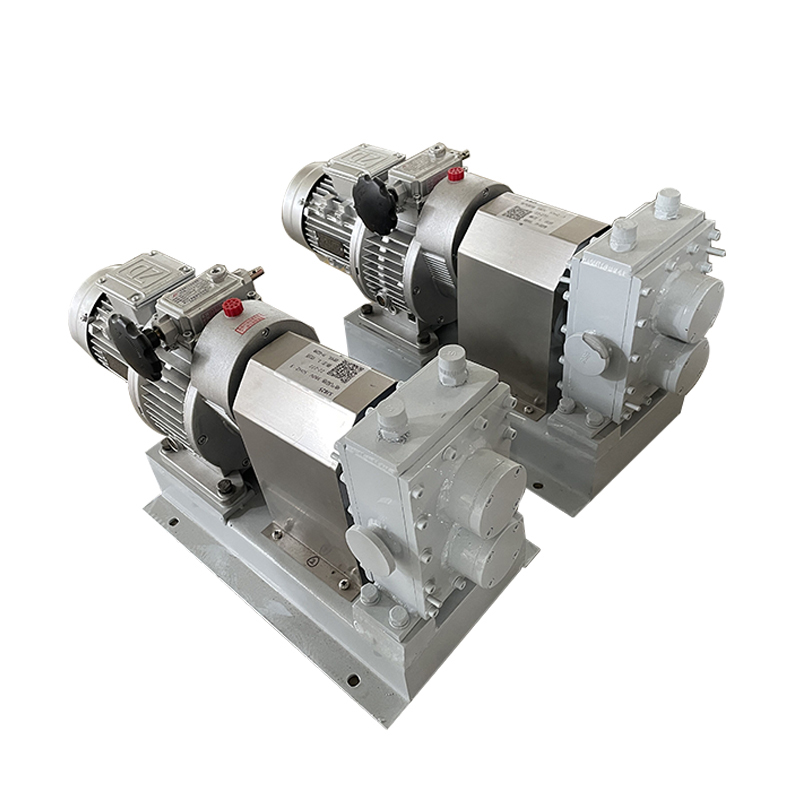
Pumps and drive health — what to monitor
Pumps are the workhorses. Problems show up as inconsistent shot size or a slow but steady drift in portion weight.
- Sound — any new whining, knocking, or irregular tone needs logging and inspection.
- Seals and leakage — a little weep today becomes a failure tomorrow. Replace seals on a preventive schedule.
- Couplings and alignment — misalignment causes vibration and premature bearing wear. Check alignment during scheduled stops.
- Spare pump policy — if your line's uptime matters, have a spare pump or at least a quick-swap module ready.
Don't wait for catastrophic failures. Small maintenance buys predictable production.
Temperature and viscosity control — the hands-on bit
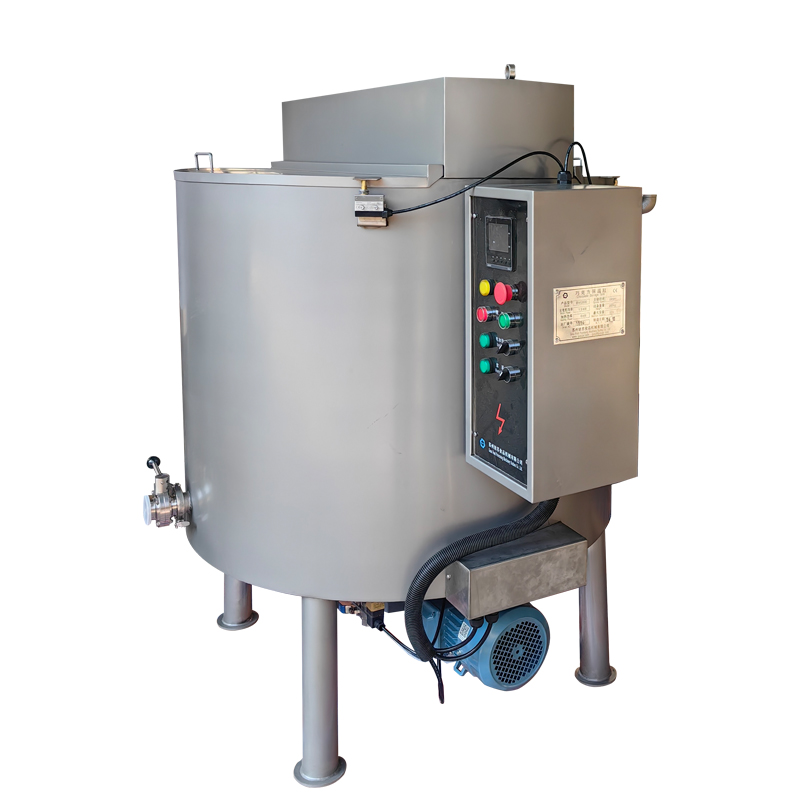
Chocolate's behavior moves a lot with a few degrees. Too hot and it runs like a river; too cold and it clogs or causes shelling defects. Keep this practical:
- Insulate short runs and hopper lids so ambient drafts don't create cold spots.
- Use short, insulated hoses instead of long exposed runs where possible.
- Where the recipe changes, do a controlled ramp — let temperatures move gradually to steady-state before running full production.
- Keep a hand-held viscometer or a reference temper strip routine to quickly compare runs.
Operators who watch the process visually and feel it tactically (without guessing) catch problems early.
Cleaning and hygiene — balance speed and thoroughness
Cleaning takes time, but the right plan saves more time later.
Daily: quick disassemble of nozzles, wipe hoppers, run CIP cycles if your line supports them.
Weekly: deeper strip-down of heads, check seals and bearings, verify timing on cams.
Monthly: full inspection of pumps, check fastener torques, review parts wear logs.
Keep a cleaning map taped to the machine and train newcomers with that map. Use quick-release fittings where possible — they cut disassembly time dramatically.
Calibration without the drama
A short weigh routine prevents surprises:
Pull 10 samples from three different nozzles at shift start.
Record mean and standard deviation.
If mean drifts by more than your defined tolerance, run corrective actions: purge, check pump speed, replace nozzle.
Log the corrective action and the result.
Small drift compounds when running thousands of pieces. Fix early and often.
Operator training that sticks
Training is not a single session. It's a habit. Make it practical:
Teach new operators the startup card and have them demonstrate it to a supervisor before solo shifts.
Run short "what to listen for" sessions: sound clips of pump health, normal vs abnormal nozzle discharge.
Pair novices with a mentor for the ten production runs. That mentorship catches the tacit knowledge that manuals miss.
Keep SOPs short, photographic, and laminated beside the machine.
Troubleshooting scenarios — quick playbook
Below are three common failure patterns and the immediate actions to try.
Pattern: sudden underfill across all nozzles
Check hopper temperature and level.
Purge lines to remove air.
Verify pump speed command and power supply.
If still low, swap pump module with a spare or reduce speed to diagnose.
Pattern: inconsistent fills between adjacent nozzles
Swap suspect nozzle with a known-good spare.
Check manifold for blockages or pressure differentials.
Inspect nozzle seating and alignment.
Pattern: surface finish issues after cooling
Check temperer and transfer insulation.
Ensure timing into the cooling tunnel is consistent.
Run a small batch and inspect deposit profile — soft edges point to pressure spikes or nozzle wear.
Address the simplest cause . Keep notes on each stop — trends tell the long story.
Buying a depositor — questions that actually matter
When you talk to suppliers, ask things that affect uptime and service, not glossy brochures:
- What spare parts do you recommend holding locally? Get a list and lead times.
- Can you provide a startup checklist and on-site help for the runs? A short supplier visit prevents many early issues.
- How easy is nozzle access and swap? Can operators change them without tools?
- What control signals are available for diagnostics — encoders, pressure transducers, pump feedback? Better telemetry speeds troubleshooting.
- Show me a real reference installation with a similar product mix and output level.
A supplier who treats commissioning as part of the sale reduces your risk.
Small investments, big returns
A few modest changes often give disproportionate improvement:
- Insulate short runs and hopper lids. Cost: modest. Effect: steady shots.
- Label and store nozzle types with photos. Cost: tiny. Effect: quicker swaps.
- Keep a spare pump module. Cost: moderate. Effect: huge downtime reduction.
- A laminated start card at the machine. Cost: negligible. Effect: consistent startup.
These are pragmatic, low-bureaucracy steps. Try one or two this week and see if stops drop.
Simple shopping list that you can save directly
- Target throughput and nominal portion size.
- Expected chocolate types and inclusions (ganache, caramel, nuts).
- Required nozzle types and access method.
- Spare parts list and recommended stock levels.
- On-site startup and training support.
- Typical maintenance routine and interval recommendations.
- Control interface and diagnostic outputs required.
- Delivery lead time and warranty period.
Ask every bidder to answer each item in writing. Compare apples to apples.
Keep it human, not heroic
Machines don't run themselves. The single reliable way to improve depositor uptime is small, consistent human practices: a disciplined startup card, quick checks, training that focuses on what to hear and see, and a solid spare parts strategy. You don't need to chase the fanciest controller or the newest pump to get returns — you need to tighten the basics.
If you take one thing away, let it be this: set a short startup routine, run a brief weigh check each shift, and keep a clean nozzle ready on the shelf. Those three habits prevent more headaches than any single technical upgrade.