

 English
 Español

Content
- 1 What to Consider When Selecting a Chocolate Ball Mill Manufacturer
- 2 How Does a Chocolate Ball Mill Work for Chocolate Production
- 3 Why Chocolate Ball Mills Are Used in Confectionery Manufacturing
- 4 Tips for Maintaining Your Chocolate Ball Mill Equipment
- 5 Which Chocolate Ball Mill Options Fit Different Production Scales
- 6 How to Integrate a Chocolate Ball Mill into Your Manufacturing Process
What to Consider When Selecting a Chocolate Ball Mill Manufacturer
Let me tell you something every chocolate maker eventually runs into: that moment when your product just doesn't feel quite right on the tongue. One batch comes out silky, the next one a little gritty. The difference almost always comes down to how well the refining step is handled. That's where a chocolate ball mill really steps in. It's not just another piece of equipment — it's the quiet workhorse that turns rough, sandy mixtures into the smooth, glossy mass that customers actually crave.
If you're shopping for a chocolate ball mill manufacturer right now, you're probably juggling a dozen questions: Will it fit my space? Can it handle my recipes? How much headache will maintenance be? This article walks through the real-world stuff that actually matters. We'll cover how these machines actually do their job, why so many confectionery lines rely on them, the maintenance habits that keep them running year after year, which size makes sense for different operations, and how to plug one into your existing setup without turning your floor into a construction zone. No fluff, just practical things you can use the same day you finish reading.
The truth is, chocolate making isn't magic — it's a chain of steps, and refining is the link that makes or breaks the final experience. Get this part right and everything downstream (tempering, molding, packaging) suddenly feels easier. Pick the wrong manufacturer or the wrong machine and you'll be fighting inconsistencies for months. So let's get into the details that separate a good supplier from one you'll regret later.
How Does a Chocolate Ball Mill Work for Chocolate Production
Picture this: you load a big batch of mixed cocoa, sugar, and fats into a horizontal drum along with a bunch of steel balls. Flip the switch and the whole thing starts turning. The balls get carried up the side, then tumble back down, smashing into the chocolate mass over and over. That constant crashing and sliding is what does the real work — breaking solid particles smaller and smaller while the motion also kneads everything together.
It's kind of mesmerizing once you watch it for a while. The mass keeps circulating, every bit of it getting the same treatment instead of some parts being overworked and others ignored. At the same time, cooling jackets around the drum pull heat away so the chocolate doesn't get too hot and ruin the fat structure. You end up with something that pours like heavy cream instead of the gritty paste you started with.
What I've noticed in real production rooms is that operators who pay attention to how the mass feels halfway through the cycle usually get better results. It starts thick and rough, then gradually loosens up. That change in flow tells you the particles are getting where they need to be. Dark chocolate might need a slightly different rhythm than milk chocolate because the fat levels change how everything moves around the balls. Once you get a feel for it, you start tweaking rotation and loading almost instinctively.
The beauty of the process is how it happens inside a closed system. Nothing escapes, nothing gets contaminated, and you control the whole thing from start to finish. By the time the mass comes out the discharge valve, it's ready for the next stage without any extra surprises.
Why Chocolate Ball Mills Are Used in Confectionery Manufacturing
Walk into almost any serious chocolate or candy factory and you'll see at least one ball mill doing its thing. The reason is simple: they give you the kind of texture and consistency that customers remember and come back for. Other grinding methods can work, sure, but they often leave bigger variations between batches. One day the particles are perfect, the next day not so much. Ball mills smooth out those differences.
The flavor side is even more interesting. All that tumbling and kneading gives the ingredients extra time to get to know each other. Cocoa solids and sugar rub against each other long enough for the good aromatic stuff to come out. You taste the difference in the final bar — it's rounder, deeper, less "raw." That's why so many makers who started with stone grinders eventually add a ball mill when they want to scale up without losing character.
Then there's the day-to-day reality. These machines handle recipe changes pretty gracefully. Clean-out is straightforward, so switching from dark to milk or white doesn't eat up half your shift. They also play nice with automated lines, which matters when you're running multiple products in the same day. And honestly, once you get the hang of them, they just keep going. They're not flashy, but they're steady — exactly what a busy production floor needs.
Even for things like nut pastes or cream fillings, the same principle applies. Fine, even dispersion means better stability and mouthfeel. So whether you're making premium single-origin bars or everyday compound coatings, the ball mill quietly makes everything better.
Tips for Maintaining Your Chocolate Ball Mill Equipment
Here's the part nobody likes to talk about but everyone ends up dealing with: if you ignore maintenance, even the best machine will start letting you down. The good news is that staying on top of it doesn't have to be complicated.
Start simple. At the end of every batch, get the leftover chocolate out while it's still warm. Use food-safe cleaners, rinse carefully, and make sure everything dries completely — especially around bearings and electrical spots. Wet chocolate residue is basically glue once it hardens, and it's a pain to remove later.
Lubrication is another quiet hero. A quick check and top-up on the right points keeps things running smooth and quiet. I've seen operators who mark their calendar for this and others who wait until something starts squeaking. Guess which group has fewer breakdowns?
Every couple of weeks, take a look at the balls themselves. They do wear down over time, and when they get uneven, grinding efficiency drops. Swapping out the worn ones keeps your particle size on target without having to run longer cycles. While you're in there, wipe down the inside of the drum too — any crusty buildup can affect flow and hygiene.
Pay attention to how the machine sounds and feels. A new vibration or a hotter-than-usual run is usually the machine's way of telling you something needs a look. Catch it early and you're back online in minutes instead of hours.
Keep a notebook or simple digital log near the machine. Nothing fancy — just date, what you did, and any notes about that day's recipe. After a few months you'll start seeing patterns. Maybe certain dark chocolates need extra cleaning, or milk formulas leave more residue. That knowledge becomes gold when you're training new staff or talking to your supplier.
The truth is, machines that get loved with daily care just last longer and give more consistent results. It's not glamorous, but it's one of the easiest ways to protect your investment.
Which Chocolate Ball Mill Options Fit Different Production Scales
Not every chocolate maker needs the same machine, and that's actually a good thing. The industry has options that scale with you instead of forcing you to overspend or undersize.
If you're still in the small-batch or recipe-development phase, the compact models are perfect. They fit on a workbench, let you test new formulas quickly, and don't need a lot of power or space. You can dial in a new dark chocolate recipe in the morning and have results by afternoon.
Once you start selling more regularly and need to move beyond test runs, the mid-size range becomes the sweet spot. These handle bigger batches but still give you the flexibility to switch recipes without too much hassle. They're what a lot of growing craft producers upgrade to when they outgrow their starter setup.
For factories running serious daily volumes, the larger industrial models take over. They're built for long shifts, steady output, and minimal manual work between batches. Automation options make them feel like part of the production line rather than a separate station.
The key is matching the machine to where you are today and where you want to be tomorrow. Think about your floor space, power supply, and how many different products you run. A machine that's too big for your current needs becomes an expensive paperweight. One that's too small creates bottlenecks that hurt your growth. Most good manufacturers will walk you through these choices instead of just pushing the biggest unit they have.
How to Integrate a Chocolate Ball Mill into Your Manufacturing Process
Getting the mill to play nicely with the rest of your line is probably the part that keeps people up at night, but it doesn't have to be scary.
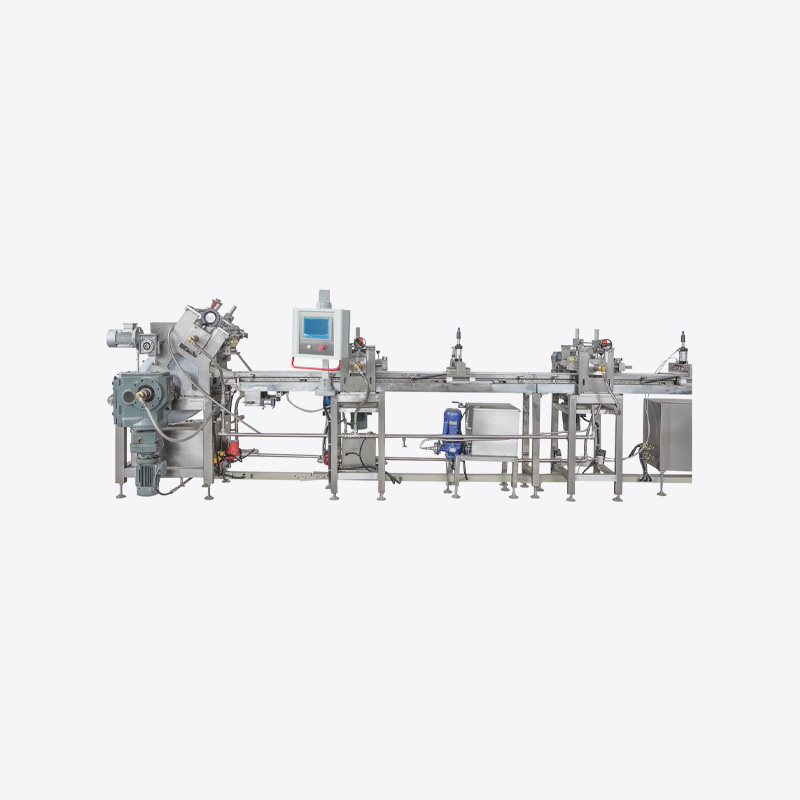
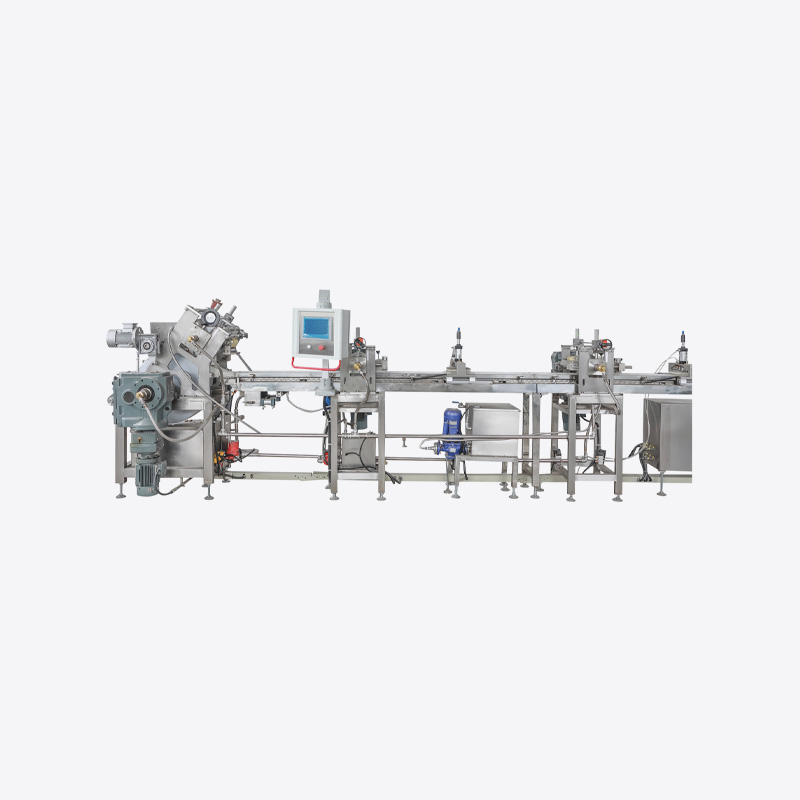
The logical spot is right after your mixing and melting tanks. That way the mass goes in at the right starting temperature and consistency. From the mill it flows to tempering or holding tanks through pumps and pipes that are sized to match the output rate. Do it right and the whole line feels like one smooth conversation instead of a series of traffic jams.
Layout matters more than you might think. Leave yourself room to walk around for cleaning and inspection. Nobody wants to crawl under a machine with a flashlight at 2 a.m. when something needs attention. In automated plants, sensors and valves take care of the transfers so operators can focus on quality instead of babysitting flow.
Temperature control doesn't stop at the mill. Make sure the next station can pick up where the mill leaves off, or add a small buffer tank if you need to stabilize things. A little planning here prevents crystal shock and keeps everything flowing the way it should.
Cleaning between recipes is another place where small design choices make a huge difference. Quick-release connections and clean-in-place features turn what used to be an hour-long job into twenty minutes. That time adds up fast when you're running multiple flavors in one day.
Once everything is hooked up, run a few test batches and watch how the whole line behaves. You'll probably tweak a pump speed or pipe angle here and there, but that's normal. After a week or two of real production, the integration stops feeling like a new system and just becomes "how we do things."
When it all clicks, the ball mill stops being "that new machine in the corner" and becomes the reliable heart of your refining step. Production gets steadier, quality gets more consistent, and you suddenly have time to think about the next recipe instead of fighting equipment all day.
In the end, choosing a chocolate ball mill manufacturer comes down to finding someone who understands these real-world details instead of just selling metal and motors. Look for partners who can talk through how the machine works, how to keep it happy, which size actually fits you, and how it will live in your line. Do that and you're not just buying equipment — you're adding a dependable teammate to your production floor.
Take your time with the decision. Ask questions, visit references if you can, and trust your gut about how the conversation feels. The right manufacturer will make the whole process feel straightforward instead of stressful. And once that machine is running smoothly, you'll wonder how you ever got along without it.