

 English
 Español

In industrial chocolate manufacturing, the melting stage tends to receive far less attention than the grinding or refining steps that follow it — yet its influence on downstream performance is difficult to overstate. When cocoa mass or chocolate base enters a ball mill at the wrong viscosity, no adjustment at the grinding stage fully compensates. The particle size distribution widens, equipment load becomes uneven, and the refining system receives material that was never properly prepared. A Chocolate Conching Refining Machine, regardless of its engineering quality, cannot correct what the melt stage got wrong. Understanding how a chocolate melting pot functions within the broader production system — and how to operate it correctly — is therefore a practical requirement for anyone configuring or managing an industrial chocolate processing line.
Content
- 1 What Is a Chocolate Melting Pot Used For in Industrial Production?
- 2 Step-by-Step: How to Use a Chocolate Melting Pot
- 3 Why Proper Melting Matters Before Grinding and Refining
- 4 Industrial Chocolate Melter vs Small Chocolate Melting Pot
- 5 How Does the Melting Pot Connect to Chocolate Grinding Systems?
- 6 Common Mistakes When Using a Chocolate Melting Pot
- 7 How to Choose an Industrial Chocolate Melting System
- 8 Why Modern Chocolate Factories Use Integrated Melting Systems
- 9 Choosing the Right Chocolate Equipment Supplier
- 10 Questions Buyers Commonly Ask
What Is a Chocolate Melting Pot Used For in Industrial Production?
Melting Is a Preparation Stage, Not Just a Heating Step
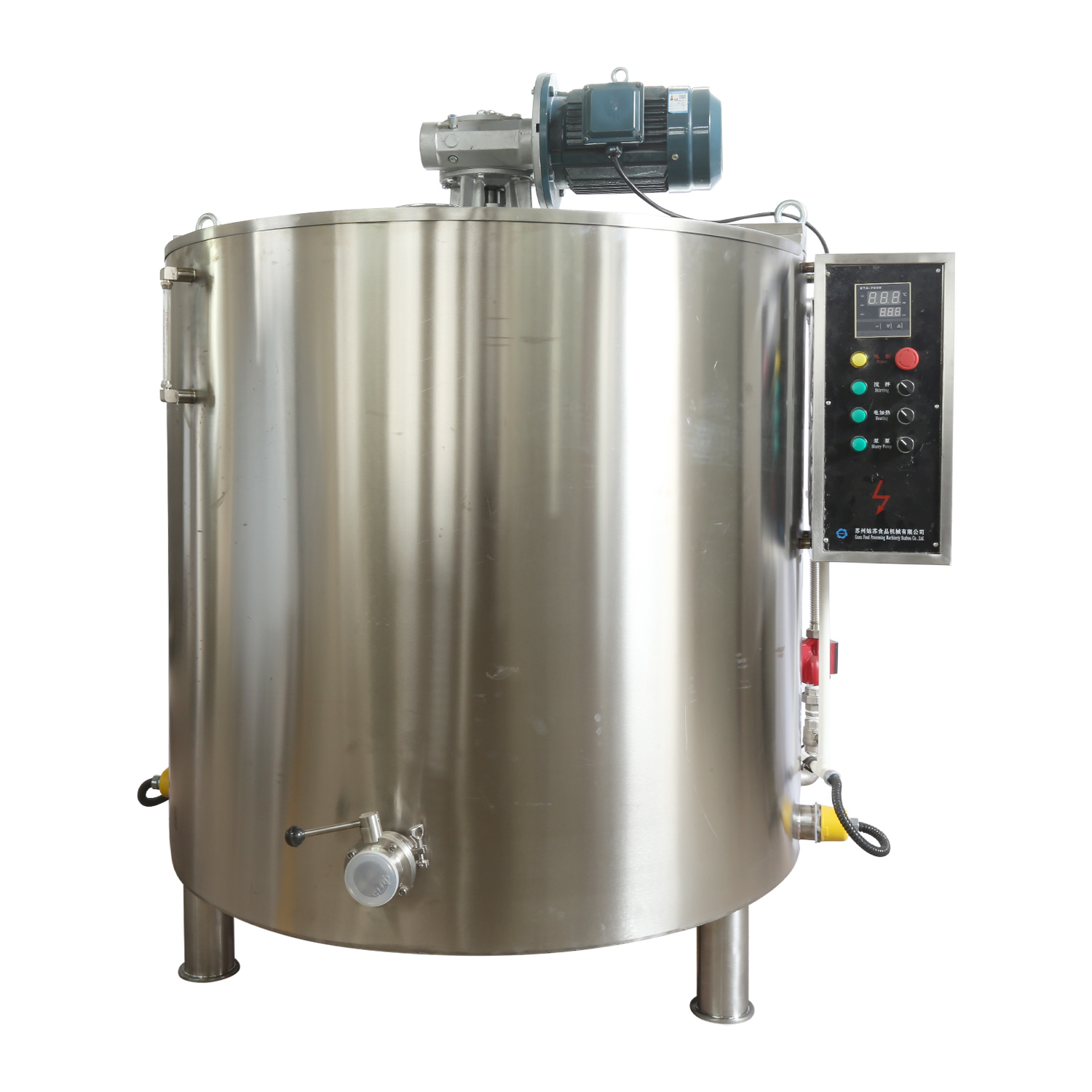
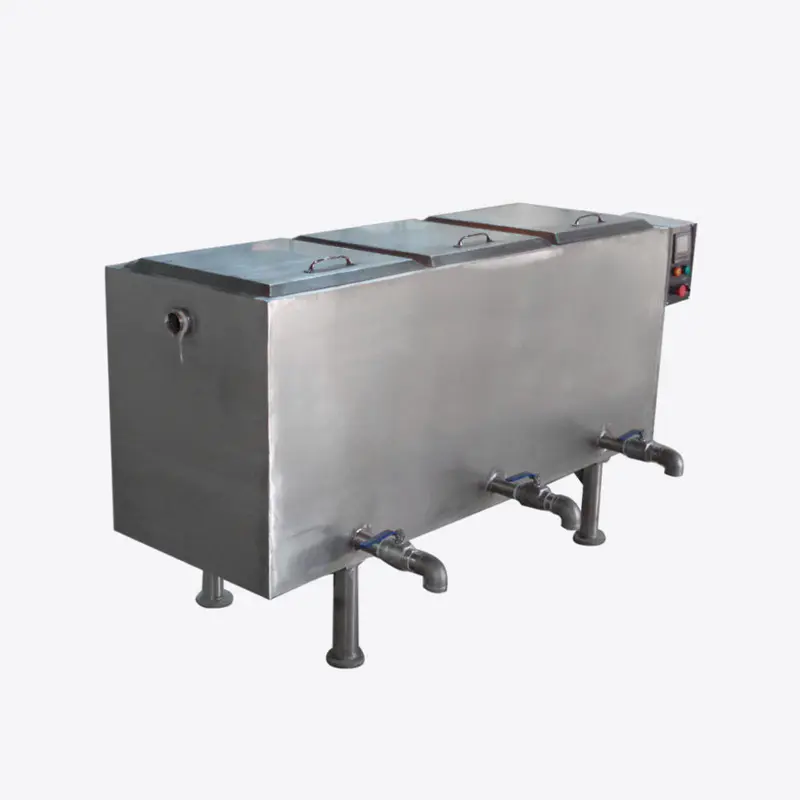
The chocolate melting pot does something more specific than applying heat to solid material. Its function is to convert cocoa mass, chocolate blocks, or cocoa butter into a liquid with controlled viscosity and stable fat distribution — a condition the downstream system was designed to receive. That distinction matters. A batch that has been heated to the point of flowing but not brought to a consistent internal temperature and fat suspension is not ready for the mill. It will behave unpredictably once it enters the grinding chamber.
Solid material fed directly into a ball mill chocolate machine without proper melting creates uneven load across the grinding media. Some zones of the chamber receive more solid material than others, contact time varies, and the particle size output reflects that inconsistency. A correctly melted batch removes this variable before it can propagate.
The Melting Vessel as a Process Buffer
There is a secondary function that often goes undiscussed: the melting pot acts as a buffer in continuous production. Raw material arrives in varying forms — solid blocks, cocoa liquor, partially crystallized mass — and the melting vessel absorbs that variation, releasing a stable liquid feed at a consistent rate. Without this buffering capacity, any irregularity in raw material delivery translates directly into variation at the grinder or refiner. Production lines that skip a properly sized melting stage often experience exactly this kind of instability, and trace it incorrectly to the downstream equipment.
Step-by-Step: How to Use a Chocolate Melting Pot
Step 1: Preheat the Melting Chamber Before Loading
Cold material introduced into an unheated vessel sits against the heating surfaces unevenly, creating localized thermal stress and extending the time to reach working temperature. Preheating the chamber before loading allows heat transfer to begin immediately when material contacts the surfaces. It also reduces the risk of scorching at those contact points, which would introduce off-flavors that carry through to the finished product.
Step 2: Add Material in Staged, Manageable Quantities
Filling the vessel to capacity with cold solid material in a single load creates a recovery situation — the heating system works to bring a large cold mass up to temperature rather than maintaining a stable thermal environment. Adding material in smaller amounts at intervals allows the temperature profile to remain consistent throughout the process. For production lines feeding a ball mill machine for chocolate at a set throughput rate, this consistency in the melt stage matters more than speed.
Step 3: Apply Controlled, Gradual Heat
Aggressive heating is one of the more common errors in chocolate melting. When temperature rises too quickly, cocoa butter separates from the solid phase before the mass has time to form a homogeneous suspension. The result is a split batch: free fat floating above denser solids, with the fat distribution that should be even throughout instead concentrated at the surface. Slow, consistent heating with continuous agitation keeps the fat and solids together throughout the melt process.
Step 4: Verify Viscosity Before Transfer
The visual check before transfer is not optional — it is the quality gate between the melt stage and the grinding system. Material that pours too slowly suggests incomplete melting or a temperature that has dropped below the working range. Material that is too fluid may have been overheated, which affects the fat phase stability. A smooth, consistently pourable flow with no visible separation indicates the batch is ready. For a ball mill for chocolate making, that state is the starting condition the equipment needs.
Step 5: Transfer to the Grinding or Refining System
Transfer should be continuous and regulated. Intermittent or pulsed feeding into a ball mill chocolate machine causes the material level in the grinding chamber to fluctuate, which changes the contact dynamics between grinding media and chocolate mass with each cycle. Those fluctuations show up in particle size variation across the batch. Where the production setup routes melted material directly into a Chocolate Refiner Conche rather than through a ball mill, the same principle applies — steady, controlled flow is the operating condition the conche assumes.
Why Proper Melting Matters Before Grinding and Refining
The relationship between melt quality and grinding performance is mechanical and direct. A ball mill chocolate machine moves liquid chocolate mass through a chamber where grinding media collide with particles suspended in the liquid. That process works within a defined viscosity range. Outside that range, the system either works harder than it should or under-processes the material.
When the incoming melt is too viscous:
- The pump or feed mechanism operates under higher load than its design assumes
- Residence time in the grinding chamber becomes inconsistent across the batch
- Particle size distribution widens, producing output that requires additional processing
When viscosity is within the correct range:
- Media circulation through the liquid follows a predictable pattern
- Particle reduction is more uniform, and the refining step receives material closer to its target range
- Energy draw across the grinding cycle is stable and easier to monitor for process control purposes
The refining system downstream relies on similarly stable feed conditions to develop flavor effectively while reducing particle size. A melt stage that introduces viscosity variation pushes that variation into the conching process, where it affects flavor development in ways that are difficult to reverse.
Industrial Chocolate Melter vs Small Chocolate Melting Pot
The operational gap between a small melting pot and an industrial chocolate melter is not simply a matter of scale. The two categories are engineered for different purposes and perform differently in every characteristic that matters for production.
| Feature | Small Melting Pot | Industrial Chocolate Melter |
|---|---|---|
| Throughput capacity | Low | Scaled for production volume |
| Temperature control | Manual, limited precision | Automated, programmable |
| Stirring system | Manual or basic motor | Continuous mechanical agitation |
| Feed compatibility | Batch, intermittent | Continuous or semi-continuous |
| Integration with refining | Not designed for it | Engineered for system connection |
| Suitable environment | Laboratory or small workshop | Factory production line |
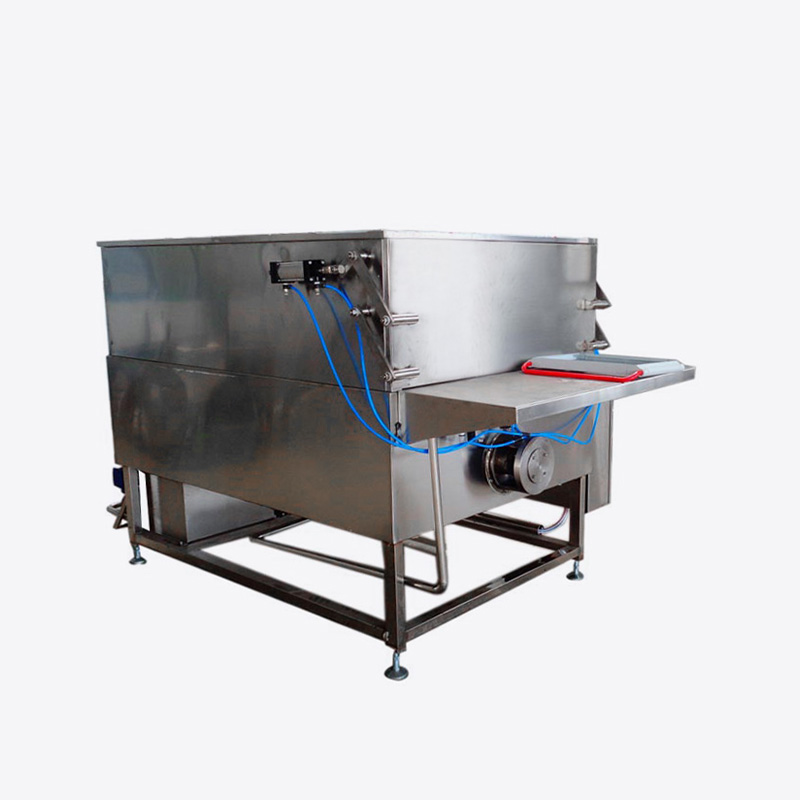
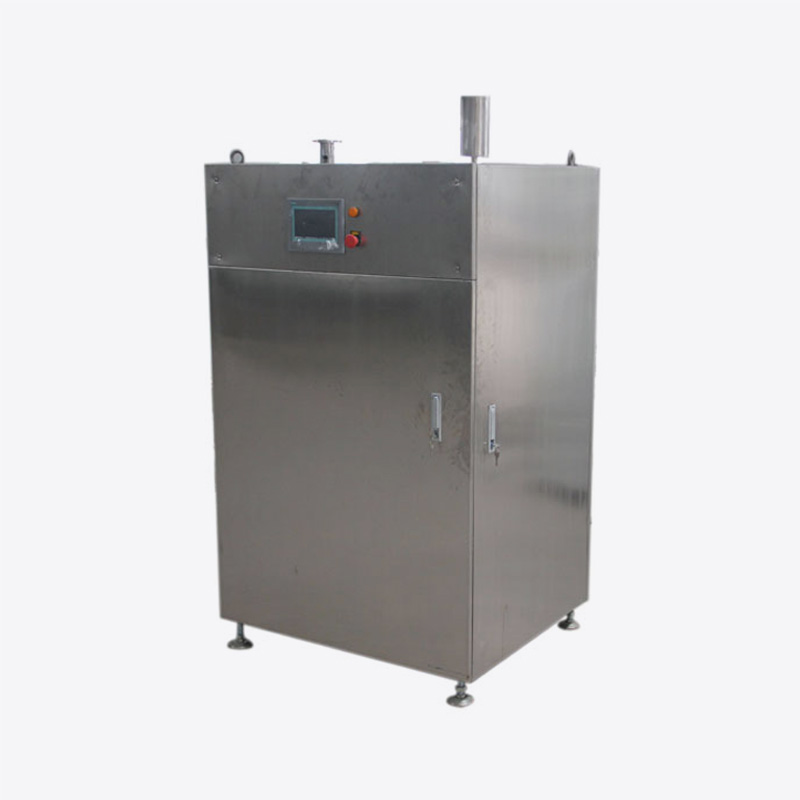
An industrial chocolate melter is a different category of equipment, not a scaled-up version of a benchtop pot. Its heating system maintains precise temperature zones across the entire vessel volume. Its agitation is engineered to create consistent circulation without introducing excessive shear. Its output is designed to feed downstream equipment at a controlled rate rather than requiring manual transfer decisions. For any production volume above small artisan batches, using a small melting pot as the feed source for a ball mill or conche is a structural mismatch that creates problems the downstream equipment cannot resolve on its own.
How Does the Melting Pot Connect to Chocolate Grinding Systems?
Feeding a Ball Mill Chocolate Machine
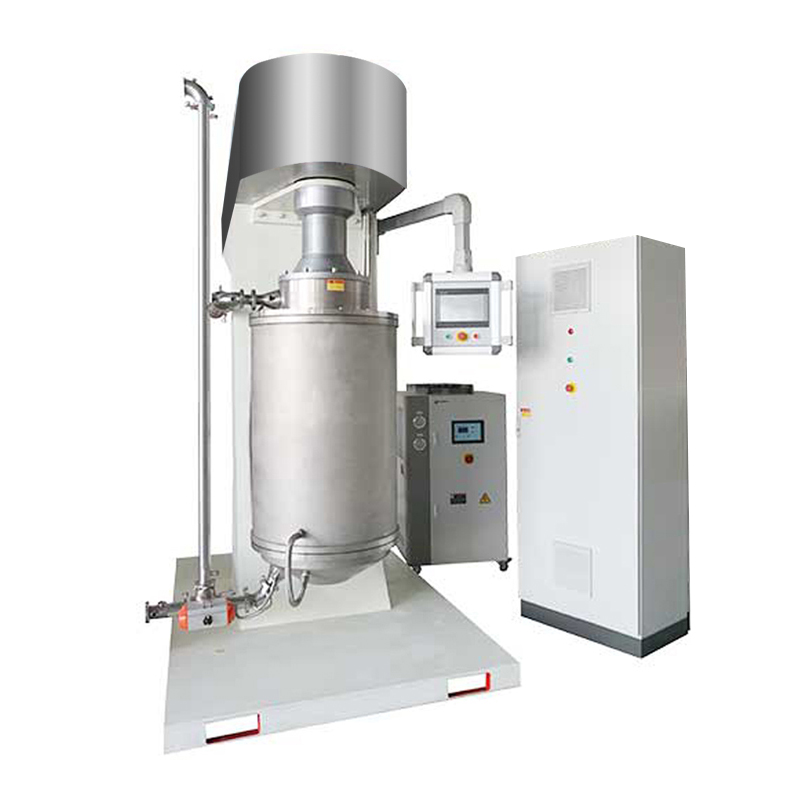
The ball mill operates on the assumption that incoming material is a stable liquid within a workable viscosity range. When that assumption holds, the grinding media circulate through the liquid mass, particle contact is consistent, and the output particle size distribution is predictable. The melting pot's job is to make that assumption hold. In many factory setups, a jacketed transfer line runs between the melting vessel and the ball mill inlet, maintaining the melt temperature during transit and preventing premature thickening before the material reaches the grinding chamber.
Viscosity and Its Effect on Grinding Efficiency
Particle size reduction in a ball mill is a function of how well the grinding media can interact with suspended particles in a flowing liquid. Too thick, and the media cannot move freely through the mass — the grinding action becomes uneven and concentrated near the inlet. Too thin, and the particles move through the chamber faster than the media can reduce them, shortening residence time and producing under-processed output. The melting stage is the point where this variable is set. The ball mill operates within whatever viscosity condition it receives; it cannot self-correct for feed that was not prepared correctly.
Integrating with a Chocolate Refiner Conche
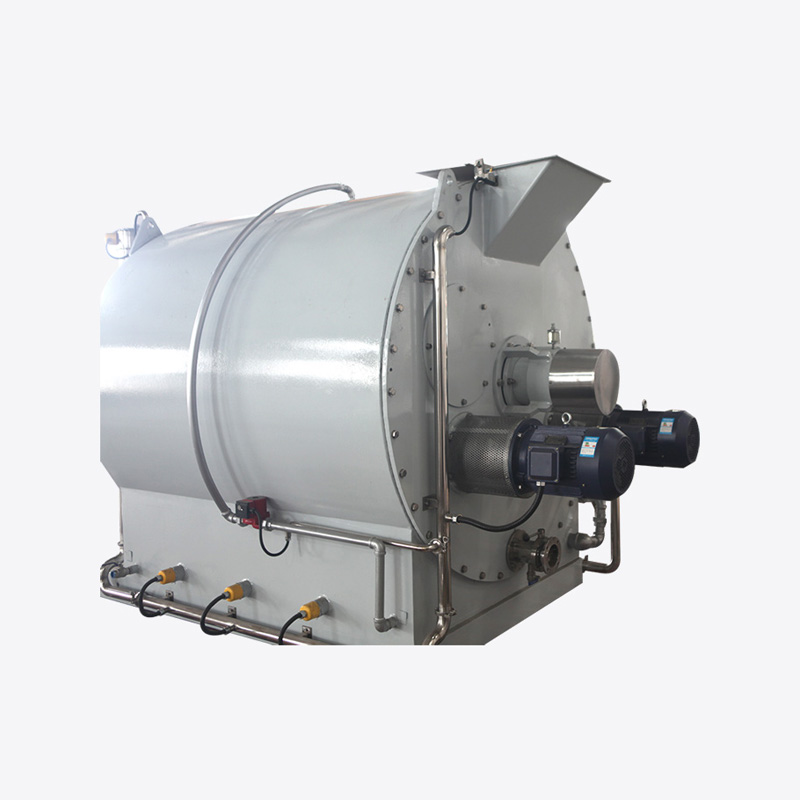
Some production configurations route melted chocolate directly to a Chocolate Refiner Conche, bypassing the ball mill when particle size is already within range and the objective is flavor development and texture refinement. In these setups, the sensitivity of the conche to fat phase condition makes the melt stage even more critical. Cocoa butter that has partially separated during melting, or that was distributed unevenly due to insufficient agitation, produces inconsistent conching behavior — different zones of the batch develop differently, and the flavor profile of the finished product reflects that variation.
Common Mistakes When Using a Chocolate Melting Pot
Overheating the Chocolate Mass
The point at which cocoa butter begins to separate from the solid phase is a threshold that varies by material, but exceeding it in either temperature or duration produces characteristic problems: a visible fat split, off-notes in the flavor profile that develop during heating, and a viscosity drop that looks like complete melting but actually signals structural breakdown. An industrial chocolate melter with programmable temperature control reduces the risk of this significantly compared to manually monitored setups where temperature spikes can go undetected.
Transferring Before Viscosity Is Stable
Moving material from the melt vessel to the grinding system before it has reached a consistent viscosity introduces the feed variability that the melting stage was supposed to eliminate. A batch that is partially melted with denser unmelted zones will behave unpredictably as it enters the grinding chamber, concentrating in some areas and thinning in others. The few minutes spent verifying consistency before transfer pay back in more uniform grinding output.
Irregular Feed Flow to the Grinder
Even with properly melted material, how it enters the ball mill matters. Pulsed or intermittent transfer causes the liquid level in the grinding chamber to cycle, changing the ratio of grinding media to liquid with each cycle. The contact dynamics shift, and the particle size distribution across the batch reflects those shifts. Continuous, metered flow is the operating condition for which the equipment is designed.
Undersizing the Melting System Relative to Production Demand
A melting vessel that cannot supply the downstream ball mill at its processing rate creates a bottleneck that forces the entire line to slow or pause between batches. Beyond the throughput loss, intermittent operation of the ball mill — cycling between active processing and waiting — introduces thermal variation in the grinding chamber that affects performance. The melting system should be sized to feed the downstream equipment continuously at its rated throughput, not intermittently at whatever rate the smaller vessel can manage.
Skipping Cleaning Between Batches
Residual material left in the melting vessel between production runs does not stay in the same condition. Depending on the fat composition and temperature, it can partially crystallize, form a skin on exposed surfaces, or oxidize if the vessel is left open. The next batch introduced into this residue picks up both the altered material and any flavor compounds that have developed during the idle period. Cleaning protocols between runs, particularly when switching formulations, are a basic requirement, not an optional step.
How to Choose an Industrial Chocolate Melting System
Capacity Should Match the Downstream Processing Rate
The melting system is not an independent piece of equipment — it is the feed source for the rest of the production line. If the ball mill chocolate machine processes at a defined throughput rate, the melting system needs to supply that rate continuously. A vessel that supplies the grinder intermittently forces the downstream equipment to wait, and waiting introduces the thermal instability that affects grinding performance. Sizing starts with the downstream equipment's requirement, not with the melting system's convenience.
Heating and Agitation Design Both Matter
Jacketed heating, where temperature-controlled fluid circulates through the vessel walls rather than a single immersion element heating from a fixed point, distributes heat more evenly across the mass and avoids the localized hot zones that cause scorching. Independent zone control within the jacket allows the temperature gradient across the vessel to be managed deliberately. On the agitation side, the design should produce thorough circulation without generating excessive shear — aggressive stirring at high speed can incorporate air into the melt, which becomes a problem in the refiner.
Downstream Compatibility from the Start
A melting system designed to connect directly to a specific ball mill or conching refiner eliminates a set of integration problems that arise when components from different manufacturers are assembled into a line. Transfer line connections, pump specifications, temperature maintenance during transit, and flow rate control all need to match between the melting vessel and the grinding inlet. Equipment sourced as part of an integrated system handles this matching at the design level rather than requiring field engineering after installation.
Monitoring and Automation Reduce Operator Variability
In production environments where batch consistency is a measured quality attribute, manual judgment about when material is ready for transfer introduces variability that automated monitoring can remove. Temperature logging across the vessel, viscosity indication at the transfer point, and automated transfer control based on preset parameters give the production team objective data to act on rather than relying on visual assessment under variable conditions. An industrial chocolate melter with these capabilities supports quality management processes in ways that manually operated equipment cannot.
Why Modern Chocolate Factories Use Integrated Melting Systems
Production lines where the melting vessel, ball mill, and refining system operate as separate independent units each introduce their own timing variations into the process. The melting vessel finishes a batch and waits for the mill to clear. The mill runs at a rate that does not match the melt supply. The refiner receives material in varying states because the upstream steps were not coordinated.
Integrated melting systems address this by treating the melt stage as part of the same process loop as grinding and refining:
- Temperature management extends from the vessel through the transfer line to the mill inlet
- Transfer rate is linked to the downstream processing speed rather than set independently
- Deviations in melt condition trigger adjustments at the vessel before out-of-spec material reaches the grinder
The practical result is fewer batch-to-batch variations, less waste from batches that did not reach specification, and a more predictable maintenance cycle because the equipment operates within the conditions it was designed for rather than compensating for upstream inconsistency.
Choosing the Right Chocolate Equipment Supplier
Integration Capability Across the Process Chain
A supplier who manufactures the melting system, ball mill machine for chocolate, and refining equipment within a single engineering framework understands how those components interact at the process level. They have designed the interfaces, tested the transfer conditions, and calibrated the system for the range of formulations it will process. Sourcing these components from different vendors and integrating them independently produces a functional line in many cases, but it shifts the integration burden to the buyer and reduces the ability to optimize the line as a system.
Formulation-Specific Engineering
Dark chocolate, milk chocolate, compound coatings, and specialty formulations all have different fat profiles and viscosity characteristics at processing temperature. A supplier with genuine product engineering capability can adapt the vessel geometry, heating configuration, and agitation design to the specific materials being processed. The alternative — a standard vessel used across all formulations with adjustments made in the field — works at some level but rarely produces the consistency that formulation-specific design achieves.
Support Across the Equipment Life
A melting system used in continuous production requires periodic calibration, heating component maintenance, and seal replacement on a schedule that depends on operating conditions and throughput. A supplier who provides structured after-sales support, documented maintenance intervals, and access to replacement parts maintains production continuity over the equipment's service life. Suppliers who provide strong pre-sale support but limited post-installation engagement create a different risk profile for buyers who need ongoing production reliability.
Questions Buyers Commonly Ask
What is a chocolate melting pot used for in factories?
In industrial processing, it converts solid cocoa mass or chocolate into a liquid with controlled viscosity and stable fat distribution, preparing it for entry into the grinding or refining stage. Its function is to establish the feed conditions that downstream equipment requires, not simply to melt the material.
Can melted chocolate be fed directly into a ball mill?
Yes, when the melt has reached the correct viscosity and temperature and the fat phase is stable. Material that is incompletely melted or overheated will produce inconsistent behavior in the grinding chamber and variable particle size output.
What temperature should chocolate be melted at?
The working range depends on the specific material — cocoa mass, dark chocolate base, and milk formulations each behave differently. The target is a temperature that achieves a smooth, stable melt with uniform fat distribution, without reaching the point where cocoa butter separates or flavor compounds begin to degrade.
What is the difference between a melting pot and an industrial chocolate melter?
An industrial chocolate melter is engineered for continuous or semi-continuous production, with automated temperature control, mechanical agitation designed for production duty cycles, and output specifications matched to downstream equipment. A standard melting pot suits laboratory or small-batch work and lacks the throughput consistency and system integration capacity that industrial processing requires.
Is melting necessary before conching?
In many production flows, yes. A Chocolate Refiner Conche is designed to receive material within a defined viscosity and particle size range. Solid or incompletely melted material entering a conche does not process correctly and can cause both quality and mechanical problems.
Does the melt stage affect final chocolate quality?
Directly. Fat distribution established during melting carries through every subsequent stage and influences texture, gloss, and mouthfeel in the finished product. Variable or poorly controlled melting introduces inconsistency that refining and conching can reduce but not fully eliminate.
What equipment typically follows a melting pot in a production line?
Material moves from the melting vessel into a ball mill chocolate machine for particle size reduction, then into a conching refiner for flavor development and texture work. Some configurations include a buffer tank between the melt vessel and the mill to regulate feed flow and absorb timing variation between the two stages.
The melting stage is where industrial chocolate production either starts correctly or begins accumulating the inconsistencies that affect every step that follows. A ball mill chocolate machine, a Chocolate Refiner Conche, and a Chocolate Conching Refining Machine are all designed around the assumption that incoming material meets a defined set of conditions. When the melt stage delivers on that assumption — correct viscosity, stable fat distribution, consistent temperature, steady flow — the downstream equipment operates within the parameters its engineering was built for. When it does not, the rest of the line compensates where it can, and the finished product reflects the gap. For operations at any meaningful production volume, the melting system deserves the same engineering attention as the equipment it feeds. If you are evaluating industrial chocolate melter options, planning a new production line, or integrating melting capacity with existing ball mill and refining systems, Gusu Food Processing Machinery Suzhou Co., Ltd. supplies equipment across the full chocolate processing chain — from melting and grinding through refining and conching — with engineering support to match equipment specifications to your specific production requirements and formulation needs.