

 English
 Español

Content
- 1 Candy Melt Market Drives Demand for Precision Tempering Solutions
- 2 What Sets a Tempering Machine Apart from a Standard Chocolate Melter
- 3 Key Features to Look for in a Candy Melt Tempering Machine
- 4 How Gusu's Tempering Machines Handle Candy Melt at Scale
- 5 Choosing the Right Machine for Your Production Line
Candy Melt Market Drives Demand for Precision Tempering Solutions
The global candy melt and compound chocolate market has seen accelerating growth over the past several years, fueled by rising consumer demand for decorated confections, home baking products, and professionally finished chocolates. As retail bakeries, confectionery brands, and large-scale food manufacturers expand their candy melt product lines, the need for industrial-grade tempering equipment has moved from a niche requirement to a mainstream production priority.
Unlike traditional chocolate, candy melts — also known as compound coatings — are formulated with vegetable fats instead of cocoa butter. While this makes them easier to melt, they still require precise and consistent temperature management during production to achieve the smooth texture, uniform gloss, and stable shelf life that consumers expect. Without proper temperature control, candy melt products are prone to bloom, uneven coating, and a shortened shelf life — defects that directly affect brand reputation and profitability.
Industry analysts note that manufacturers sourcing equipment specifically for candy melt production are increasingly prioritizing machines that combine reliable melting with accurate temperature staging — the hallmark of a professional tempering machine for chocolate candy melt machine operations.
What Sets a Tempering Machine Apart from a Standard Chocolate Melter
One of the most common points of confusion among new confectionery producers is the difference between a chocolate melter and a chocolate tempering machine. Both machines apply heat to melt solid chocolate or candy melt wafers, but their functions diverge significantly from that point.
A standard chocolate fat melting machine is designed to bring chocolate or compound coating to a liquid state at a set temperature, keeping it fluid and ready for use. It does not actively manage the crystallization process of the fats within the product. This is sufficient for applications such as ganache preparation, drizzling, or immediate consumption products where surface finish is not critical.
A tempering machine, by contrast, takes the chocolate or candy melt through a carefully controlled cycle of heating, cooling, and reheating. This process encourages the formation of stable fat crystals throughout the mass, which is what gives the final product its:
- Smooth, glossy surface finish
- Firm snap when broken
- Clean release from molds without sticking
- Longer shelf stability without fat bloom
For candy melt production specifically, the tempering curve differs slightly from that of pure couverture chocolate, since vegetable fat crystallization behaves differently from cocoa butter. This makes it essential to use a machine that can be precisely programmed to match the specific melting and setting profile of the compound coating formula being used.
Key Features to Look for in a Candy Melt Tempering Machine
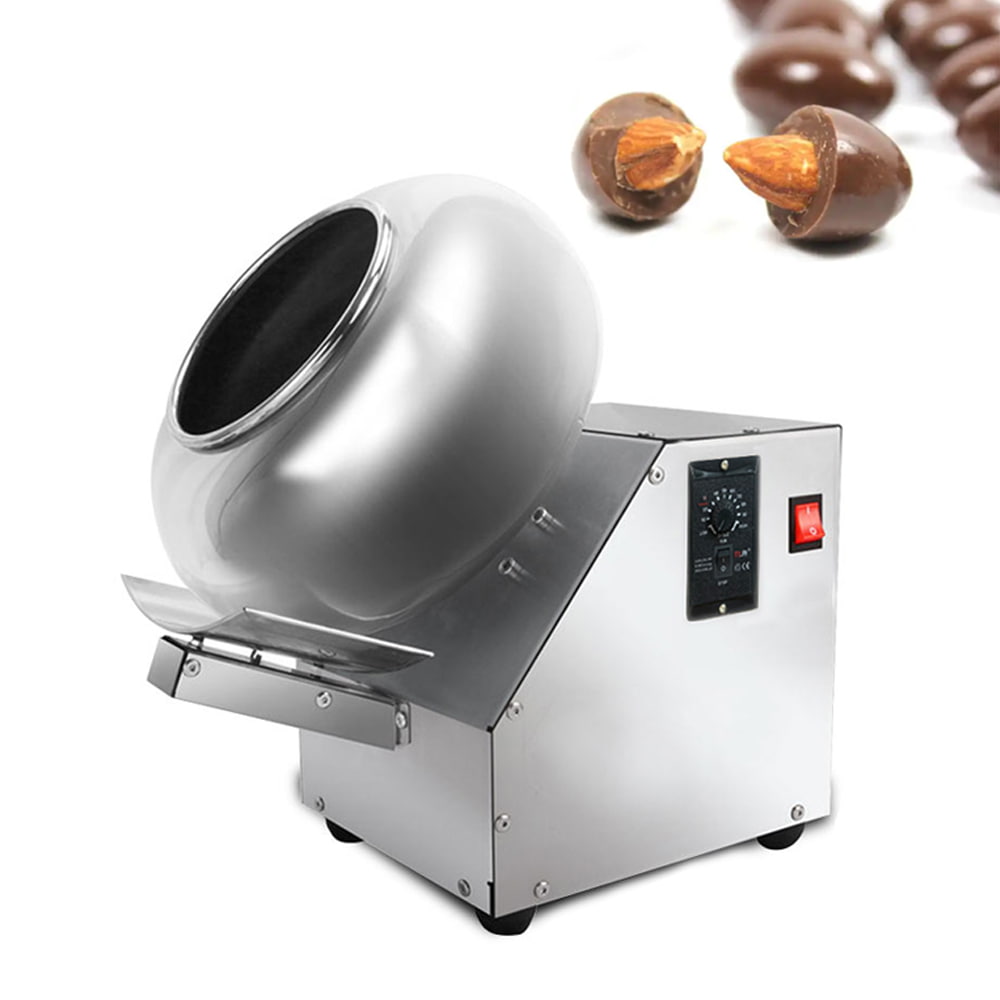
When evaluating a tempering machine for chocolate candy melt machine applications, production managers and procurement teams should assess equipment against several critical performance criteria.
Precise multi-zone temperature control is non-negotiable. A high-quality tempering machine should be capable of independently managing heating and cooling across different zones of the process, with digital accuracy typically within ±0.5°C. This level of precision ensures the compound coating exits the machine in a consistently tempered state regardless of ambient temperature fluctuations in the production environment.
Continuous production capacity is equally important for commercial operations. Batch-style tempering works for artisan or small-scale producers, but high-volume candy melt manufacturers require machines that can maintain a continuous flow of tempered product — sustaining output for extended production shifts without manual intervention or product quality degradation.
Compatibility with a range of compound coating formulas is another key factor. Candy melt products vary widely in their fat composition, viscosity, and working temperature range. A versatile tempering machine should accommodate different formulations — from standard white and milk-based compounds to colored candy melts — without requiring major equipment changes between batches.
Finally, ease of cleaning and changeover directly impacts production efficiency. Machines designed with smooth, tool-free disassembly of product-contact components allow operators to switch between different colors or flavors of candy melt with minimal downtime, protecting both schedule and product integrity.
How Gusu's Tempering Machines Handle Candy Melt at Scale
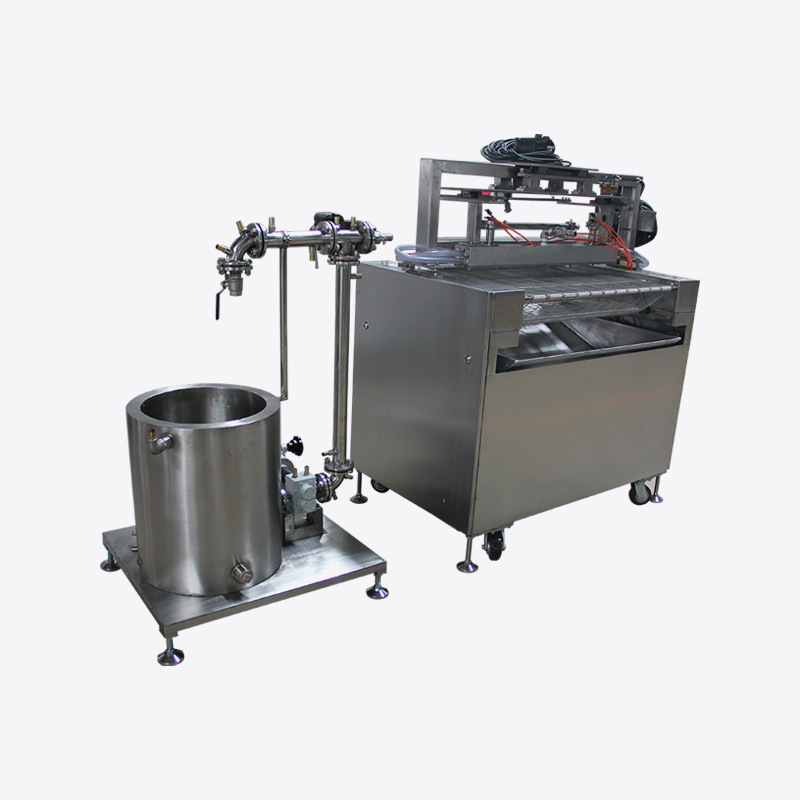
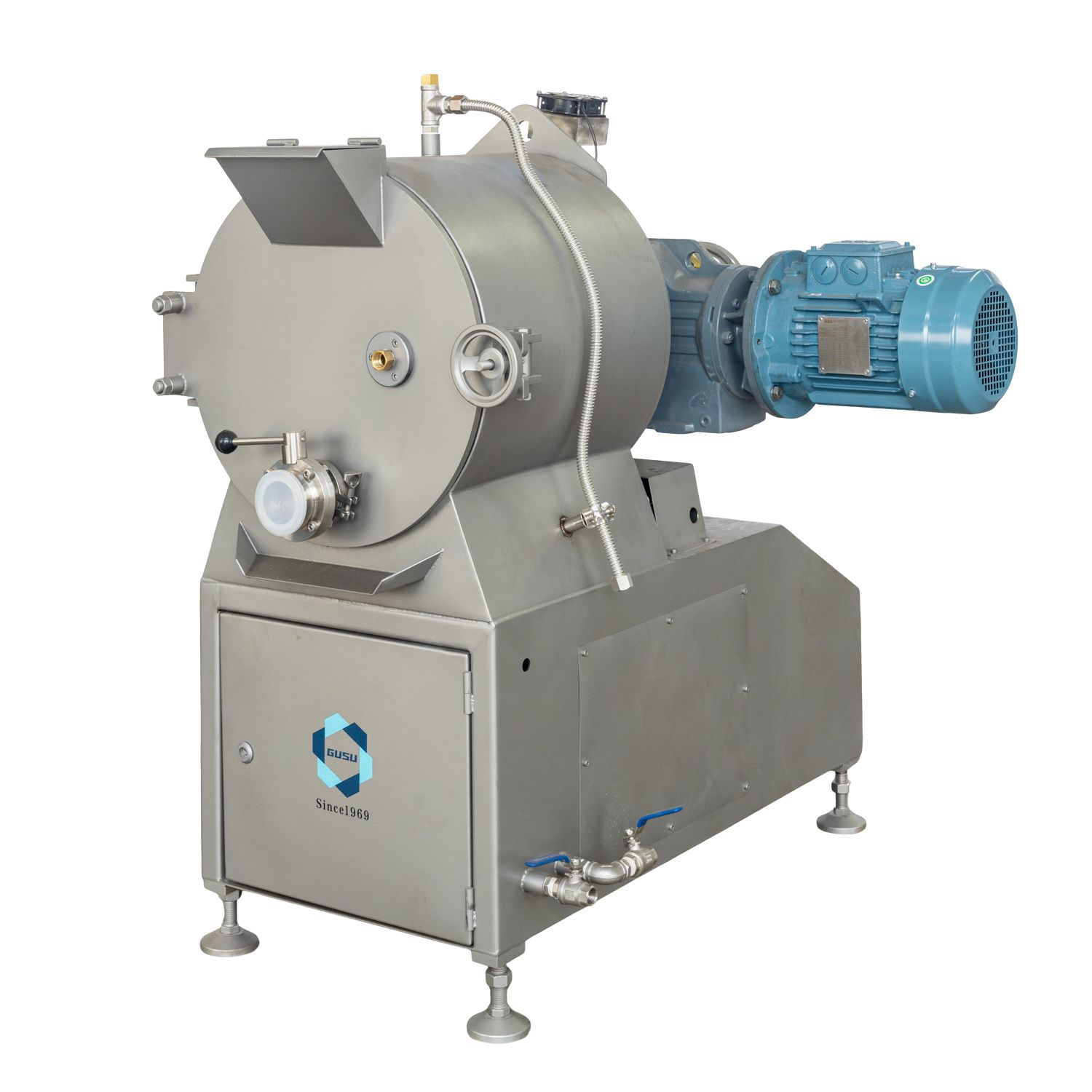
Gusu Food Processing Machinery Suzhou Co., Ltd., established in 1969 and recognized as China's first complete chocolate equipment manufacturer, has developed a range of industrial tempering machines engineered for both pure chocolate and compound candy melt production. With over five decades of experience and a factory footprint of 35,000 square meters, Gusu's equipment is designed to support production demands that range from mid-scale commercial operations to full industrial output.
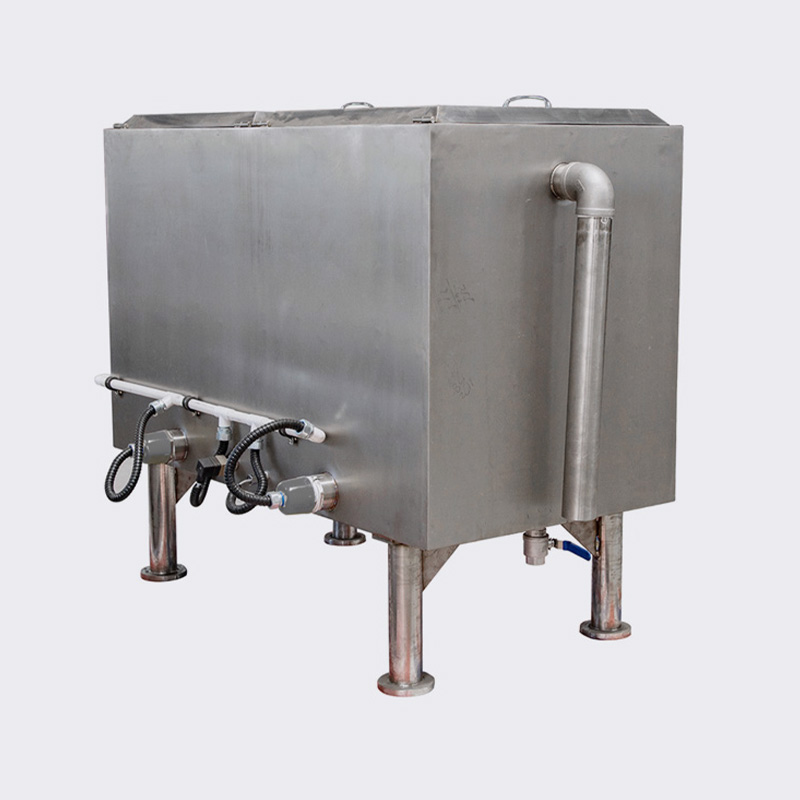
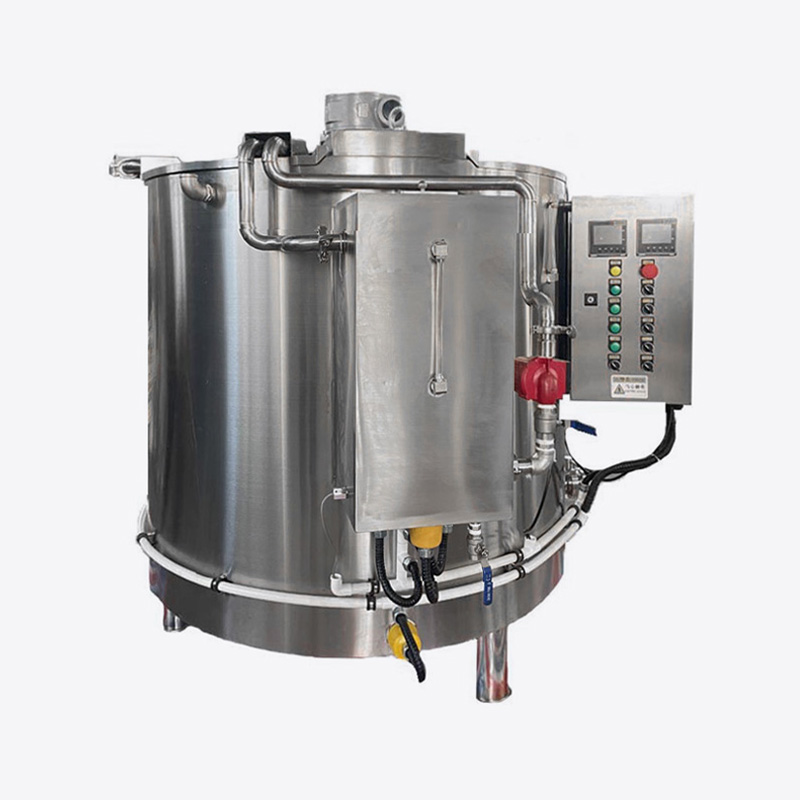
Gusu's chocolate tempering machines feature automatic temperature control systems that manage the full tempering cycle with minimal operator input. The machines are built from food-grade stainless steel throughout all product-contact surfaces, ensuring hygienic operation that meets international food safety standards — a requirement increasingly enforced by major retail and export markets.
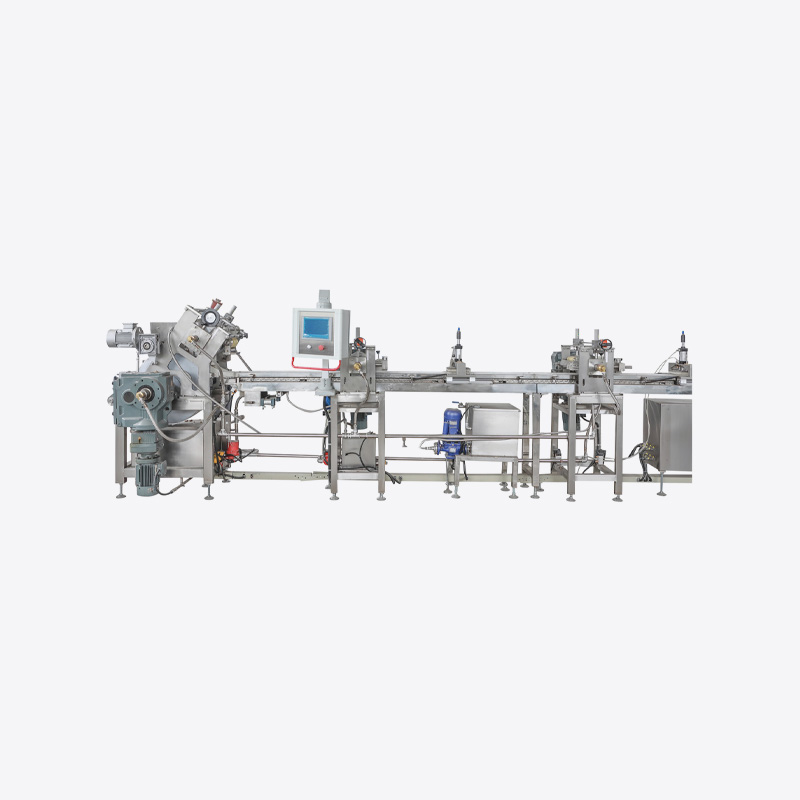
A key advantage of Gusu's tempering solutions is their seamless integration with downstream equipment. Manufacturers running candy melt production at scale can connect Gusu tempering machines directly into a candy bar line, enabling a continuous flow from tempered compound coating through to molding, cooling, and packaging. Similarly, Gusu's tempering machines are designed to feed directly into a chocolate enrober, giving producers the ability to coat biscuits, nuts, fruits, and other confectionery centers with a consistently tempered candy melt layer at high throughput speeds.
Customization is a core part of Gusu's offering. Tank capacities, temperature control parameters, and output configurations can be tailored to meet the specific requirements of each production environment. This flexibility makes Gusu's equipment suitable for manufacturers entering the candy melt segment for the first time as well as established producers looking to upgrade existing lines for higher volume or improved consistency.
Choosing the Right Machine for Your Production Line
Selecting the right tempering machine for chocolate candy melt machine operations ultimately depends on three core variables: daily production volume, product range complexity, and integration requirements with existing or planned processing lines.
| Production Scale | Recommended Configuration | Key Consideration |
|---|---|---|
| Small commercial (up to 100 kg/day) | Compact continuous temperer | Footprint, ease of cleaning |
| Mid-scale (100–500 kg/day) | Automated continuous temperer with PLC control | Temperature accuracy, multi-formula flexibility |
| Industrial (500 kg/day and above) | High-capacity inline tempering system integrated with enrober or molding line | Continuous throughput, line integration, remote monitoring |
Producers who are scaling up candy melt production or transitioning from manual tempering to automated solutions are encouraged to consult directly with equipment specialists. Factors such as the specific compound coating formulas in use, planned line expansion, and export market compliance requirements all influence which configuration delivers the best return on investment.
Gusu Food Processing Machinery welcomes inquiries from confectionery manufacturers worldwide. With equipment exported to more than 130 countries and long-term partnerships with leading global food brands, Gusu's engineering team is positioned to recommend and supply the right tempering machine solution for any candy melt production challenge.